
The “Check Engine Light” (CEL) is the most expensive orange pixel in your life. I have stared at that dashboard warning more times than I care to admit, usually accompanied by the dreaded P0420 code: “Catalyst System Efficiency Below Threshold.” When this happens, you have two choices: pay a mechanic $1,500 to weld in a new catalytic converter, or spend $25 on a bottle of “magic liquid” and pray it works.
That is where the battle between Cataclean and Liqui Moly Catalytic System Clean begins. Cataclean is the famous “Hail Mary” pass—the aggressive solvent designed to blast carbon out of your system to pass an emissions test. Liqui Moly is the refined German engineer—a preventative tool designed to gently optimize combustion and protect your investment over time.
A Brief Comparison Table
| Feature | Cataclean | Liqui Moly (Catalytic System Clean) |
| Primary Function | Emergency Cleaner & Emissions Fix | Preventative Maintenance & Protection |
| Application Method | Pour in 1/4 tank (High Concentration) | Pour in full tank (Standard Dilution) |
| Chemical Focus | Acetone, Isopropanol, Xylene (Solvents) | Detergents & Combustion Improvers |
| Treats | Fuel, Combustion, Exhaust, Cat, DPF | Fuel System, Valves, Combustion, Cat |
| Best Use Case | Failing an emissions test (Smog Check) | High-mileage engine preservation |
| Frequency | Every 3 months (Quarterly) | Every 2,000 km (approx. 1,200 miles) |
| Engine Types | Gas, Diesel, Hybrid | Gas (Separate product for Diesel) |
| Price Point | High ($25-$30 per bottle) | Moderate ($10-$15 per bottle) |
| Aggressiveness | High (Solvent shock) | Low to Medium (Gentle cleaning) |
My Experience With Cataclean
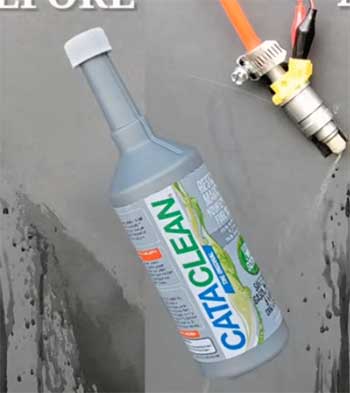
My first run-in with Cataclean was born out of desperation.
I had a 12-year-old truck that had just failed its state inspection due to high hydrocarbon emissions and a lingering P0430 code (Catalyst Efficiency Bank 2).
The mechanic quoted me a price that was roughly half the value of the vehicle. I bought a bottle of Cataclean at the auto parts store, skeptical but out of options.
The instructions are specific and stressful: you have to run your tank down to exactly 1/4 full (about 4 gallons).1
This concentration is critical. I poured the bottle in, drove the truck on the highway at high RPMs for about 20 minutes to get the catalytic converter scorching hot, and then refilled the tank. The next morning, the light was still on. I was ready to give up. However, after about 50 miles of driving, the light turned off. I rushed back to the inspection station, and it passed.
Cataclean feels like a “shock treatment.” You can almost feel the engine idle smooth out after the treatment, likely because the potent solvents (Acetone, Xylene) are stripping gum and varnish off the fuel injectors just as much as they are cleaning the exhaust. It is not a gentle product. It smells like industrial paint thinner, and it acts like it. It didn’t permanently fix my catalytic converter—the code came back six months later—but it bought me time and a legal inspection sticker, which was exactly what I paid for.
Pros Of Cataclean
- The “Smog Check” Savior: Cataclean is legendary for one specific thing: helping older cars pass emissions tests. It contains volatile organic compounds that burn very hot. This intense heat helps burn off the soot deposits (carbon) that coat the honeycomb structure inside your catalytic converter. By temporarily cleaning these surfaces, it allows the catalyst to interact with the exhaust gases more efficiently, often dropping emissions numbers just enough to satisfy the sniffer probe at the inspection station.2
- Dual-Action Cleaning (Pre- and Post-Combustion): Unlike simple fuel injector cleaners that just clean the intake, Cataclean is formulated to survive the combustion chamber.3 The solvents turn into carboxylic acid vapors upon combustion.4 These vapors travel down the exhaust pipe and clean the oxygen sensors and the face of the catalytic converter.5 Cleaning the O2 sensors is arguably just as important as cleaning the cat, as a dirty sensor can send false data to your computer, causing it to run rich and clog the cat further.
- Works on Diesel and Hybrids: One major advantage of Cataclean is its versatility.6 The standard bottle is safe for gasoline, diesel, and hybrid engines. If you have a diesel truck with a clogged DPF (Diesel Particulate Filter), Cataclean can help regenerate it by lowering the temperature required to burn off the soot. This universality makes it a great “all-rounder” for a household with multiple types of vehicles.
- Rapid Results: Because of the low-fuel dilution method (using it with only 4 gallons of gas), the concentration of cleaning agents hitting your engine is incredibly high.7 This means it works fast. You don’t need to drive 300 miles to see a difference. Usually, a single 15-minute highway drive is enough to blast the initial layer of carbon off the components. If you have an inspection tomorrow morning, this is the product you grab.
Cons Of Cataclean
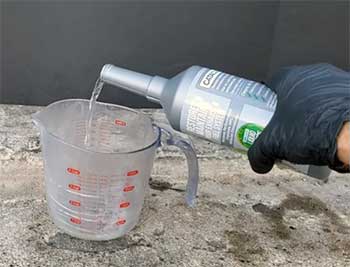
- Expensive Per Treatment: At roughly $25 to $30 per bottle, Cataclean is one of the most expensive additives on the shelf. If you are using it strictly for maintenance every three months as they recommend, that adds up to over $100 a year just on additives. Compared to standard injector cleaners that cost $5, it is a significant premium. You are paying for the brand reputation and the “emergency repair” capability.
- Strict “1/4 Tank” Requirement: The effectiveness of Cataclean relies entirely on the concentration ratio. If you pour this into a full tank of gas, it will likely do nothing because it is too diluted. This creates a logistical annoyance: you have to time your fuel level perfectly. Driving around hoping your gas light comes on so you can pour in a cleaner is stressful, and running an older car on fumes can sometimes overheat the fuel pump.
- Cannot Fix Physical Damage: Cataclean is a chemical solvent, not a welder. It cleans carbon deposits.8 It cannot fix a catalytic converter that has melted internally due to overheating, nor can it repair a ceramic honeycomb that has cracked or disintegrated. If your P0420 code is caused by a physically broken part, Cataclean is essentially snake oil. It might turn the light off for 20 miles due to the fuel chemistry change, but the problem will remain.
- Aggressive Solvents: The primary ingredients (Acetone, Xylene) are powerful solvents.9 While safe for modern fuel systems in the short term, some mechanics worry that frequent, high-concentration use could eventually dry out rubber seals or gaskets in very old fuel systems. It is not an “oil” based lubricant; it is a stripper. Using it more than recommended is not better; it’s potentially risky.
Maintenance Tips For Cataclean
- Drive Hard After Application: Pouring Cataclean in and letting the car idle in the driveway is a waste of money. The chemical reaction that cleans the catalytic converter requires heat.10 After pouring it into your 1/4 tank, you need to drive the car at highway speeds (rpm around 2500-3000) for 15-20 minutes.11 This high exhaust temperature activates the carboxylic acid vapor mechanism that scrubs the exhaust components.
- Reset Your ECU Codes: If you are using Cataclean to clear a check engine light, don’t just wait for it to go out. Use an OBD2 scanner to clear the codes before your drive cycle.12 This resets the computer’s monitoring parameters. As you drive with the Cataclean in the system, the computer will run its “readiness monitors.” If the cleaning works, the monitors will pass, and the light will stay off.
- Do Not Overuse: More is not better.13 Stick to the recommended schedule of once every 3-4 months. Using this product every tank will provide diminishing returns and could be harsh on your fuel lines. Think of it as a quarterly dental cleaning, not a daily tooth brushing.
- Store in Cool Conditions: The solvents in Cataclean are highly volatile. If you leave the bottle in a hot car trunk in the summer, the bottle can swell, or the chemical potency can degrade. Keep it in a cool, dark garage shelf until you are ready to use it.
My Experience With Liqui Moly
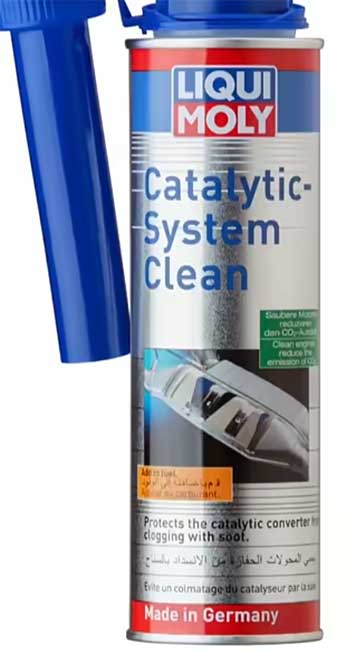
Liqui Moly feels different from the moment you pick up the can.
It doesn’t scream “emergency fix” with bright colors; it looks like a serious chemical product from a German workshop.
I started using Liqui Moly Catalytic System Clean (the fuel additive version) on my newer German sedan as a preventative measure.14
German cars are notoriously finicky about fuel quality and carbon buildup on intake valves, and Liqui Moly is often the OEM-preferred brand for these vehicles.
Using it is much less stressful than Cataclean. You don’t have to wait for the tank to be empty.
You just pour it in when you fill up. Over the course of a few tanks, I noticed that the idle was glass-smooth and the throttle response felt snappier.
It didn’t give me the “instant fix” feeling of Cataclean, but over 2,000 miles, the car just felt healthier.
It felt like I was feeding the car vitamins rather than giving it a shot of adrenaline.
For a car I plan to keep for 200,000 miles, this slow-and-steady approach felt safer and more sustainable.
Pros Of Liqui Moly
- Preventative Engineering: Liqui Moly is designed to keep the system clean rather than just unblocking a disaster.15 It contains detergents that prevent soot from forming in the first place.16 By improving the combustion efficiency inside the cylinder, it ensures that the exhaust gas leaving the engine is cleaner before it even hits the catalytic converter. This attacks the root cause of the problem (dirty combustion) rather than just the symptom (clogged exhaust).
- Gentle and Lubricating: Unlike the harsh solvent blast of Cataclean, Liqui Moly products often contain lubricating agents that protect the fuel pump and injectors while cleaning. It is less likely to dry out seals. This makes it safe for frequent use. You can use it every 2,000 km (about 1,200 miles) without fear of damaging older rubber components. It cleans softly but effectively over time.17
- Cost-Effective Maintenance: A bottle of Liqui Moly Catalytic System Clean is generally cheaper than Cataclean—often ranging from $10 to $15. Since it treats a full tank of gas (up to 70 liters), the cost per mile of treatment is significantly lower. I18t allows you to incorporate fuel system cleaning into your regular maintenance routine without breaking the bank.
- Intake Valve Cleaning: Liqui Moly’s formula is excellent at cleaning the intake tract and valves (especially important for port-injection cars).19 By keeping the valves clean, it ensures the air/fuel mixture is correct.20 A correct mixture burns cleaner, which naturally extends the life of the catalytic converter. It is a holistic approach to engine health.
Also read: My Thoughts on Valvoline Restore and Protect
Cons Of Liqui Moly
- Slower Acting: If you have an emissions test in two hours and a Check Engine Light on, Liqui Moly is probably not the answer. It is a “clean as you drive” product. It requires time to work its way through the system and slowly dissolve deposits.21 It is not designed to provide the immediate thermal shock that Cataclean does. It requires patience.
- Confusing Product Line: Liqui Moly makes many products. They have a “Catalytic System Clean” fuel additive, but they also have a professional “Catalytic-System Cleaner” that requires a special pressurized spray tool to inject directly into the intake manifold.22 This confuses many buyers. The pour-in bottle (which competes with Cataclean) is weaker than their professional spray service. Make sure you are buying the right product for your skill level.
- Harder to Find Locally: While Cataclean is on the shelf at almost every Walmart and AutoZone in America, Liqui Moly is sometimes harder to find in physical stores. It is a staple at specialty Euro-parts stores or online retailers (like FCP Euro or Amazon), but you might not be able to grab it on a Sunday afternoon emergency run.
- Gas Only (Usually): The standard “Catalytic System Clean” bottle is generally formulated for gasoline engines.23 Liqui Moly produces separate, specific additives for diesel engines (like the Diesel Particulate Filter Protector). You have to be more careful to select the correct bottle for your engine type compared to Cataclean’s “one bottle for all” approach.
Maintenance Tips For Liqui Moly
- Combine with Jectron: For the ultimate “German tune-up,” many users (myself included) pair the Catalytic System Clean with Liqui Moly’s Jectron Fuel Injection Cleaner. Use Jectron one tank, and the Catalytic cleaner the next. This ensures that the fuel entering the engine is atomized perfectly (thanks to Jectron) and the exhaust leaving is scrubbed (thanks to the Cat cleaner).
- Use High-Quality Fuel: Liqui Moly works best when paired with Top Tier gasoline (Shell, Chevron, etc.). The detergents in the fuel work synergistically with the additive. Using cheap, low-quality gas will counteract the benefits of the additive, as the cleaner will spend all its energy fighting the bad fuel rather than cleaning the engine deposits.
- Follow the Dosage: One 300ml can is sufficient for up to 70 liters (approx 18 gallons) of fuel.24 Do not dump two bottles into a small 10-gallon tank thinking it will work better. Over-concentration of detergents can sometimes change the combustion chemistry enough to cause temporary rough running. Stick to the ratio printed on the can.
- Regular Intervals: Because it is a maintenance product, consistency is key.25 Set a reminder to pour a bottle in every other oil change (or every 2,000 miles). This prevents the hard carbon buildup that eventually leads to the P0420 code. Once that code appears, it is often too late for gentle cleaners, so use Liqui Moly early and often.
Comparison with other brands
- Cataclean vs. Sea Foam: Sea Foam is the old-school mechanic’s favorite. It is cheap and can be put in oil, gas, or the intake. However, for catalytic converters, Cataclean is superior. Sea Foam is great for carbon in the upper engine, but it doesn’t survive the combustion process as well as Cataclean to clean the exhaust stream. In fact, too much Sea Foam smoke can sometimes temporarily clog a cat.
- Liqui Moly vs. Techron: Chevron Techron is widely regarded as the best fuel system cleaner for the money. It uses PEA (Polyetheramine) chemistry. Techron is fantastic for injectors and valves, but it doesn’t make specific claims about cleaning the catalytic converter. Liqui Moly’s formulation is specifically targeted at post-combustion exhaust components. If your issue is injectors, buy Techron. If it’s the cat, buy Liqui Moly.
- Cataclean vs. Dura Lube: Dura Lube “Severe Catalytic & Exhaust Treatment” is a direct competitor to Cataclean. It is often cheaper and comes in a larger bottle. Reviews suggest Dura Lube is slightly less aggressive than Cataclean. If Cataclean fails to clear your code, Dura Lube is unlikely to succeed. However, for a budget “Hail Mary,” Dura Lube is a decent second choice.
- Liqui Moly Pour-In vs. Liqui Moly Intake Spray: It is worth noting that Liqui Moly produces a professional intake cleaner that you spray into a vacuum line while the car is running.26 This is infinitely more effective than any pour-in tank additive (including Cataclean) because it hits the valves and cat with 100% concentration. If you are handy with tools, the Liqui Moly Spray is the king of cleaners. If you just want to pour a bottle in the tank, Cataclean is the stronger additive.
Read more: My Thoughts on Dorman Auto Parts
Frequently Asked Questions (FAQ)
If the code is already on, Cataclean is generally the better choice. Its high-concentration “shock” application is designed to aggressively strip carbon to turn the light off temporarily. Liqui Moly is better suited for preventing the code from appearing in the first place.
Do not mix them in the same tank. The chemical cocktails could react unpredictably or change the fuel combustion properties too drastically, causing misfires. Use Cataclean first to attack the issue, burn through that tank, refill, and then use Liqui Moly a few tanks later for maintenance.
It cleans dirty converters, it does not unclog melted or broken ones. If your converter is clogged because the ceramic internals have collapsed, no liquid in the world will fix it. If it is clogged with soot/carbon from rich fuel mixture, Cataclean can burn that soot off and restore flow.27
Liqui Moly recommends using it every 2,000 km (approx 1,200 miles) or as a preventative measure every few months.28 Because it is gentler, it is safe to use more frequently than Cataclean.
Conclusion
In conclusion, if you are standing in the auto parts store parking lot with a failed emissions inspection paper in your hand and a knot in your stomach, buy Cataclean. It is the heavy artillery. It is expensive, it smells terrible, and it requires a specific 1/4 tank ritual, but it is the most effective “mechanic in a bottle” for temporarily clearing catalytic efficiency codes and getting you that passing sticker.
However, if you love your car and want to avoid ever seeing that check engine light in the first place, Liqui Moly Catalytic System Clean is the superior choice. It is a refined maintenance product that keeps your entire combustion and exhaust system healthy.29 It is cheaper per use, safer for the engine long-term, and backed by top-tier engineering. Use Cataclean to fix the problem; use Liqui Moly to prevent it from coming back.