
Listen, if you’re tired of bland, flavorless olive oils that do nothing for your food, you need to grab a bottle of Carapelli right now. I’ve used it for months, and it delivers that authentic Italian taste without breaking the bank. Whether you’re drizzling it on salads or cooking everyday meals, this extra virgin olive oil brings richness and quality that makes every dish better. Trust me, once you try it, you’ll wonder why you waited so long.
My Experience With Carapelli Olive Oil
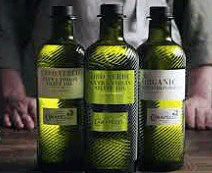
I remember the day I first brought home a bottle of Carapelli Organic Extra Virgin Olive Oil.
I was skeptical because I’ve tried so many brands over the years, and most supermarket options taste flat or overly bitter.
But the moment I opened it, the aroma hit me—fresh, grassy notes mixed with hints of green apple and artichoke.
It wasn’t overpowering; it felt balanced and inviting, like something you’d find in a cozy Tuscan kitchen.
Right away, I poured a little into a small bowl and dipped some warm bread in it. You know that peppery kick you get from really good olive oil? Carapelli has it, but it’s gentle—not the throat-burning intensity of some premium bottles.
The flavor unfolded slowly: first a smooth, buttery texture on the tongue, then subtle nuttiness, and a clean finish without any weird aftertaste. I was hooked from that first bite.
Over the next few weeks, I started using it everywhere. For breakfast, I fried eggs in it, and the edges got perfectly crisp while the yolks stayed silky. The oil didn’t smoke much, even at medium heat, which surprised me because some extra virgins break down fast.
Lunch was simple: a big green salad with tomatoes, cucumber, and feta. I drizzled Carapelli generously, and suddenly the veggies tasted brighter and more vibrant.
The oil coated everything evenly without making the leaves soggy—it’s got that nice viscosity that clings just right.
Then came dinner experiments. I roasted vegetables—zucchini, bell peppers, and carrots—with a good glug of Carapelli, some salt, and herbs. The oil caramelized the edges beautifully, adding this deep, fruity layer that made the veggies taste almost sweet.
I even used it to finish a pasta dish: tossed hot spaghetti with garlic, chili flakes, and a splash of the oil. It brought everything together with a glossy sheen and that fresh olive essence that screams quality.
One weekend, I hosted friends for bruschetta. I toasted bread, rubbed it with garlic, topped it with chopped tomatoes, basil, and a generous pour of Carapelli.
Everyone raved about how flavorful it was—rich but not heavy, with just enough spice to wake up the palate. My friend who usually sticks to basic brands said, “This actually tastes like real olive oil,” and I couldn’t agree more.
I also tried the unfiltered version for something different. It has tiny bits of olive pulp floating around, giving it a rustic look and a bolder, more vegetable-forward taste—think fresh tomatoes and almonds.
I loved it for dipping or drizzling over grilled fish. The organic one felt even cleaner, knowing no pesticides were involved.
Through all this, the bottle’s dark glass kept the oil protected, and the anti-drip spout made pouring mess-free. No spills on my counter!
Honestly, after months of daily use, Carapelli has become my go-to. It’s versatile enough for cooking but special enough to enjoy raw.
If you’re cooking for family or just treating yourself, this oil makes everything taste better without any fuss. It’s reliable, consistent, and genuinely enjoyable every single time.
Also read: My Thoughts on BIXBI Dog Food
Pros Of Carapelli Olive Oil

- Authentic Italian flavor profile : You get that classic grassy, slightly peppery taste with notes of artichoke, green almond, and tomato—it’s what makes Italian extra virgin olive oil so special, and Carapelli nails it every time.
- Versatile for everyday cooking : I use it for frying, roasting, sautéing, and dressings without worrying about smoke or off-flavors; it holds up well at medium heat.
- Dark glass bottle protection : The bottle blocks light perfectly, keeping the oil fresh longer than clear plastic ones from other brands.
- Anti-drip spout convenience : Pouring is clean and controlled—no messy drips down the side, which saves cleanup and lets you use just what you need.
- Organic and non-GMO options available : Knowing it’s made without chemicals or GMOs gives me peace of mind, especially when using it raw on salads or bread.
- Balanced bitterness and spice : Not too harsh on the throat like some intense oils, but still has that satisfying kick that shows it’s high-quality extra virgin.
- Great value for the quality : At a mid-range price, you get restaurant-level taste without paying premium boutique prices.
- No weird aftertaste : It finishes clean, so your food tastes fresh instead of oily or rancid.
- Sustainable production practices : Carapelli focuses on responsible farming, which matters to me when choosing products.
- Consistent quality across bottles : Every time I buy it, the flavor stays the same—no surprises from batch to batch.
Cons Of Carapelli Olive Oil
- Milder intensity for some tastes : If you love super bold, throat-clearing peppery oils, this might feel too smooth and not punchy enough for finishing dishes.
- Not single-origin in all varieties : Some blends come from multiple countries, which can affect that pure Italian authenticity you’re after.
- Higher price than basic brands : It’s more expensive than generic supermarket oils, so if you’re on a tight budget, it might not be your first pick.
- Unfiltered version has pulp bits : The floating particles look rustic but can bother people who prefer crystal-clear oil.
- Availability varies by store : Not every grocery carries all types, so you might have to hunt for the organic or 100% Italian one.
- Can solidify in the fridge : Like all real extra virgin olive oils, it clouds up when cold, though it returns to normal at room temperature.
- Not the cheapest for bulk use : If you go through gallons quickly, larger premium bottles from other brands might offer better per-ounce savings.
Maintenance Tips For Carapelli Olive Oil
- Store it in a cool, dark place : Keep your bottle away from the stove, oven, or sunny windows—heat and light speed up oxidation, so a pantry or cabinet works best to preserve that fresh flavor.
- Maintain tight seals after each use : Screw the cap on firmly every time; air exposure is the biggest enemy and can make the oil go rancid faster than you think.
- Avoid plastic containers for transfer : If you decant some into a smaller bottle, use dark glass or stainless steel—plastic can leach chemicals and alter the taste over time.
- Use within 3-6 months of opening : Once opened, enjoy it quickly for peak freshness; the antioxidants and flavors fade gradually, so plan your meals around it.
- Refrigerate for longer storage if needed : If you don’t use it often, pop it in the fridge—it might get cloudy or thick, but that’s normal and it returns to liquid at room temp without losing quality.
- Keep away from strong odors : Store it separate from garlic, onions, or spices; olive oil absorbs smells easily, which can change its clean profile.
- Check the harvest date on the bottle : Look for the most recent one possible—fresher oil tastes better and has more health benefits, so avoid old stock.
- Use a small dispenser for daily pouring : Transfer a week’s worth to a tiny dark glass cruet with a spout; this limits air exposure to the main bottle.
- Clean the spout regularly : Wipe any residue from the anti-drip spout to prevent buildup that could affect pouring or introduce bacteria.
- Buy smaller bottles if you’re a slow user : Go for 16.9 oz instead of larger ones to ensure you finish it before it loses vibrancy—freshness is key with Carapelli.
Comparison With Other Brands
Bertolli Extra Virgin Olive Oil
When I compare Carapelli to Bertolli, the flavor difference stands out immediately. Bertolli tends to be milder and sometimes lacks that bright, grassy punch you get from Carapelli. I’ve used both for roasting vegetables, and Carapelli adds more depth without overpowering the dish. Bertolli works fine for basic cooking, but Carapelli feels more premium and consistent in taste.
Pompeian Extra Virgin Olive Oil
Pompeian is often cheaper, which makes it tempting for everyday use. However, its flavor can be inconsistent—sometimes flat or overly neutral. Carapelli wins for me because it delivers reliable fruitiness and pepperiness every time. If you’re frying eggs or making dressings, Carapelli elevates the meal while Pompeian just gets the job done without excitement.
California Olive Ranch Extra Virgin Olive Oil
California Olive Ranch brings a fresh, California-grown vibe with strong grassy notes. It’s excellent for drizzling, but Carapelli edges it out in versatility for Italian-style cooking. The Italian heritage in Carapelli gives it that authentic Mediterranean balance, while California Olive Ranch feels brighter and more herbal. Both are solid, but Carapelli suits my pasta and salad routines better.
Kirkland Signature Extra Virgin Olive Oil
Kirkland from Costco is a budget favorite with decent quality for the price. It’s reliable for large batches of cooking, but Carapelli tastes noticeably richer and more complex. When I blind-tasted them side by side on bread, Carapelli had more layers—nutty, spicy, fruity—while Kirkland stayed simpler. If value is your top priority, Kirkland works, but Carapelli justifies the extra cost with superior flavor.
Read more: My Thoughts on Open Farm Cat Food
Frequently Asked Questions (FAQ)
There isn’t one single “best” brand because it depends on your needs—cooking, drizzling, or budget. I find Carapelli stands out for everyday versatility with its balanced Italian flavor. Other strong options include California Olive Ranch for freshness or premium single-estate bottles for special occasions. Taste a few and pick what excites your palate most.
Yes, especially the unfiltered and organic varieties. Polyphenols give it that peppery bite and health benefits like antioxidants. Carapelli’s production keeps levels solid, though not the absolute highest compared to super-intense boutique oils. You still get good amounts for daily use.
Absolutely—it’s naturally gluten-free. Olive oil comes purely from olives with no wheat or grains involved. The organic version follows strict standards, making it safe for anyone avoiding gluten.
Conclusion
After using Carapelli olive oil day in and day out, I can confidently say it’s worth every penny. The flavor, quality, and ease of use make it a staple in my kitchen. If you’re looking for an extra virgin that tastes authentic without the premium price tag, pick up a bottle today—you’ll taste the difference immediately and keep coming back for more. Your meals deserve this upgrade!