
I’ve been using entry-level Canon DSLRs for years, starting as a complete beginner who just wanted something better than a smartphone for photos of family trips, landscapes around Sylhet, and occasional portraits. When I looked at the Canon EOS 2000D and the Canon EOS Rebel T7, I quickly realized they are essentially the same camera sold under different names depending on the region—the 2000D for international markets like Asia and Europe, and the Rebel T7 for the US. This article shares my real-user perspective on whether one stands out as better, breaking down key features, pros and cons, my hands-on experience, and practical tips to help you decide if this budget DSLR fits your needs in 2026.
A Brief Comparison Table Canon EOS 2000D / Rebel T7
| Feature | Canon EOS 2000D | Canon EOS Rebel T7 |
| Sensor Resolution | 24.1 Megapixel APS-C CMOS | 24.1 Megapixel APS-C CMOS |
| Image Processor | DIGIC 4+ | DIGIC 4+ |
| ISO Range | 100-6400 (expandable to 12800) | 100-6400 (expandable to 12800) |
| Autofocus Points | 9-point AF (1 cross-type center) | 9-point AF (1 cross-type center) |
| Continuous Shooting | 3 fps | 3 fps |
| Video Resolution | Full HD 1080p at 30fps | Full HD 1080p at 30fps |
| Connectivity | Built-in Wi-Fi and NFC | Built-in Wi-Fi and NFC |
| Viewfinder | Optical pentamirror, 95% coverage | Optical pentamirror, 95% coverage |
| LCD Screen | 3.0-inch fixed, 920k dots | 3.0-inch fixed, 920k dots |
| Lens Mount | Canon EF/EF-S | Canon EF/EF-S |
| Market Naming | International (e.g., Asia, Europe) | US and select regions |
My Experience With Canon EOS 2000D / Rebel T7
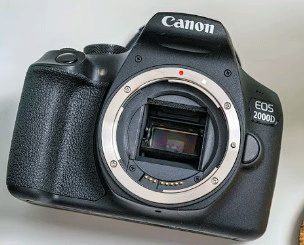
I picked up the 2000D version a few years back because it was readily available locally at a great price with the 18-55mm kit lens.
Right away, the jump in image quality from my old phone amazed me—sharper details, better color in golden hour shots of tea gardens, and that satisfying click of the shutter.
The optical viewfinder became my favorite part; framing landscapes felt precise without screen glare.
Autofocus locked quickly in good light for family portraits, though I missed shots of my niece running because of the basic 9-point system.
Wi-Fi saved me time uploading to my phone for quick edits and shares. Battery life surprised me positively—I’d forget to charge it and still get through weekends of casual shooting.
In low light, noise crept in above ISO 1600, but for indoor family gatherings with flash, results stayed clean.
Video worked for short clips, but I rarely used it since stabilization was limited without a gimbal. The fixed screen frustrated me during overhead shots, yet I adapted by using the viewfinder more.
Pros Of Canon EOS 2000D / Rebel T7
- Affordable entry into DSLR photography : At its price point, this camera gives you access to the vast Canon EF lens ecosystem without breaking the bank, letting beginners experiment with primes or zooms that smartphones simply can’t match for creative control.
- Solid 24.1-megapixel APS-C sensor : The resolution captures plenty of detail for prints up to A3 size or heavy cropping, and the sensor handles everyday lighting well, producing natural colors straight out of the camera.
- Optical viewfinder experience : Looking through the pentamirror finder feels more immersive than an electronic viewfinder or screen on mirrorless options, with no lag and a bright view even in sunlight—perfect for composing shots outdoors.
- Built-in Wi-Fi and NFC for easy sharing : Transferring photos to your phone happens quickly via the Canon Camera Connect app, so I can post family pictures to social media right after a shoot without removing the SD card.
- Compatible with a huge range of lenses : You can start with the kit 18-55mm IS II lens and later add affordable options like the 50mm f/1.8 for creamy portraits or wide-angle zooms for landscapes, growing your kit over time.
- Reliable battery life : I regularly get 400-500 shots per charge in real-world use, which lasts through a full day of casual shooting without worrying about running out mid-event.
- Scene Intelligent Auto mode works surprisingly well : For complete newbies, this mode analyzes the scene and picks settings automatically, often delivering better results than full auto on older point-and-shoots.
- Creative filters add fun without editing : Options like toy camera, miniature effect, or fisheye let you experiment with looks in-camera, great for keeping things light when you’re just starting out.
- Durable build for the price : The body feels sturdy enough for daily carry, with a decent grip that makes it comfortable during longer sessions compared to some ultra-cheap alternatives.
- Full HD video capability : While not 4K, the 1080p footage looks clean for family videos or vlogs, and the kit lens stabilization helps reduce shake during handheld recording.
Also read: Comparison of Fitbit Sense 2 And Fitbit Versa 4
Cons Of Canon EOS 2000D / Rebel T7
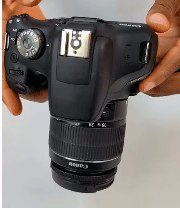
- No 4K video recording : In 2026, many budget mirrorless options offer 4K, so if video is a priority, this feels dated with only 1080p at 30fps and no advanced features like microphone input.
- Basic 9-point autofocus system : It works fine for static subjects but struggles with fast-moving action like sports or kids running around; tracking isn’t as reliable as modern systems with more points or subject detection.
- Slow continuous shooting at 3 fps : Burst mode fills the buffer quickly, making it tough to capture sequences like wildlife or events where timing matters.
- Fixed LCD screen without touch : The 3-inch display is sharp but non-tilting and non-touch, so composing at awkward angles or quick menu navigation feels clunky compared to newer cameras.
- DIGIC 4+ processor shows its age : Dynamic range and high-ISO noise handling lag behind current entry-level models, with noticeable grain above ISO 1600 in low light.
- No in-body image stabilization : You rely on lens IS, which means not all EF/EF-S lenses offer steady shots in dim conditions or video.
- Plastic lens mount on some kit versions : While the body is solid, certain bundles feel less premium, and long-term durability of the mount can be a concern with heavy lens changes.
- Limited buffer depth : Shooting RAW fills the buffer fast, slowing down if you try more than a handful of continuous shots.
- No headphone jack or advanced video controls : Serious videographers miss manual audio levels and monitoring options that even some budget mirrorless include.
- Outperformed by newer mirrorless in live view AF : Contrast-based live view focusing is slow, making it less ideal for video or awkward-angle stills.
Maintenance Tips For Canon EOS 2000D / Rebel T7
- Clean the sensor regularly but carefully : Use a blower to remove dust particles first; if needed, go for wet cleaning with approved swabs and solution, but always power off and avoid touching the mirror or sensor directly to prevent damage.
- Store with a desiccant packet : In humid places like Sylhet, keep the camera in a dry bag or airtight case with silica gel to fight mold and fungus on lenses and internals during off-seasons.
- Update firmware when available : Check Canon’s site periodically for minor fixes that improve compatibility or performance; install via SD card following official instructions to avoid bricking.
- Protect the LCD with a screen protector : Apply a tempered glass or film cover right away to guard against scratches from keys or bag movement during travel.
- Clean contacts on lenses and body : Wipe metal contacts gently with a microfiber cloth if connectivity issues arise; avoid alcohol on rubber grips to prevent degradation.
- Charge battery fully before long storage : Lithium-ion batteries last longer if stored at 50-60% charge in a cool place; exercise them every few months by taking a few shots.
- Use a UV filter on the kit lens : It acts as a cheap protector against scratches and dust on the front element without affecting image quality noticeably.
- Avoid extreme temperatures : Don’t leave the camera in a hot car or freezing conditions for long; condensation can form inside when moving between environments.
- Format SD cards in-camera : Do this before each big shoot to ensure compatibility and reduce corruption risks; back up important files first.
- Inspect straps and grips periodically : Check for wear on the neck strap and rubber grips; replace if fraying to maintain secure handling.
My Experience With Canon EOS 2000D
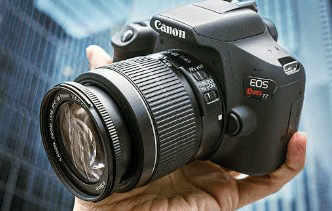
I bought my Canon EOS 2000D back in late 2020 when I was living in Sylhet and finally decided to move beyond smartphone snaps for capturing the misty tea gardens, haor landscapes during monsoon, and everyday family moments.
The price was unbeatable locally—around 35,000-40,000 BDT with the 18-55mm kit lens—and I figured it was the perfect low-risk way to learn real photography.
The first thing that struck me was how much better the images looked compared to my phone. That 24.1-megapixel sensor picked up textures in tree bark, subtle gradients in sunset skies over the Surma River, and skin tones during outdoor portraits that just popped without heavy editing. Colors came out warm and natural straight from the camera, which is classic Canon and saved me so much time in Lightroom.
Pros Of Canon EOS 2000D
- Incredible value for beginners stepping into serious photography : This camera remains one of the cheapest ways to get a true DSLR with a large APS-C sensor, delivering sharper images and better dynamic range than most smartphones even in 2026, especially when paired with decent glass.
- 24.1-megapixel resolution captures fine detail : You can crop heavily or print large photos without losing quality, making it great for landscapes around Sylhet’s hills or detailed family portraits that hold up well on social media or small prints.
- Optical viewfinder provides a natural, lag-free composing experience : Unlike electronic viewfinders that can drain battery or feel artificial, the bright pentamirror finder lets you see exactly what the lens sees in real time, which feels more engaging during golden hour shoots.
- Wi-Fi and NFC make sharing effortless : Connecting to the Canon app on my phone takes seconds, so I transfer RAW files or JPEGs instantly after a tea garden session and edit them on the go without cables or card readers.
- Huge Canon EF/EF-S lens ecosystem at budget prices : Start with the 18-55mm kit, then grab used primes like the 50mm f/1.8 for beautiful bokeh or telezooms for distant subjects—all widely available second-hand and compatible forever.
- Impressive battery performance in real use : I often shoot 500+ frames on a single charge during full-day outings, far outlasting many mirrorless options that need constant power top-ups.
- Scene modes and creative filters keep things fun for newcomers : Auto settings handle tricky lighting surprisingly well, while filters like miniature or grainy black-and-white add playful effects straight in-camera without needing software.
- Solid color reproduction typical of Canon : Skin tones look natural and vibrant right out of the camera, reducing post-processing time for casual shooters who just want pleasing results.
- Decent build quality for everyday handling : The grip feels secure in hand during longer walks, and the body withstands light bumps better than ultra-cheap plastics from some competitors.
- Full HD video still useful for family memories : 1080p at 30fps with the kit lens stabilization produces smooth clips of events or short vlogs, perfect if 4K isn’t a must-have yet.
Cons Of Canon EOS 2000D
- No 4K video in a world full of it : Most phones and budget mirrorless now shoot 4K, so footage from this camera feels limited to 1080p without modern codecs or higher frame rates for slow motion.
- Basic 9-point AF system falls short on action : It locks reliably on still subjects but hunts or misses when kids or pets move quickly, lacking eye detection or advanced tracking found in newer bodies.
- Only 3 frames per second burst shooting : The slow rate and small buffer make capturing sequences—like birds in flight or sports moments—frustrating compared to faster cameras.
- Fixed, non-touch LCD screen limits flexibility : No tilt for low or high angles, and no touch input means menu navigation feels old-school, especially when using live view.
- Older DIGIC 4+ processor limits high-ISO performance : Noise becomes obvious above ISO 1600 in dim indoor shots, with less dynamic range recovery in shadows than current entry-level options.
- No in-body stabilization : You depend entirely on lens IS, so non-stabilized primes or older glass show more shake in low light or video handheld.
- Live view autofocus is painfully slow : Contrast-detection in screen mode takes seconds to focus, making it impractical for video or awkward compositions where the viewfinder isn’t usable.
- Cheap-feeling construction in some areas : The plastic body and mount hold up for casual use but don’t inspire confidence for heavy professional handling over years.
- Limited video features overall : No external mic input, no headphone monitoring, and basic controls mean serious videographers quickly outgrow it.
- Outdated compared to mirrorless advancements : Newer cameras offer better AF, electronic shutters, compact size, and features like animal detection, making this feel dated for anyone wanting future-proofing.
Read more: Comparison of Voyager Legend And 5200
Maintenance Tips For Canon EOS 2000D
- Start with gentle sensor dust removal using a blower : Power on the camera, go to the sensor cleaning menu to lock up the mirror, then use a rocket blower to puff air carefully across the sensor without touching anything—do this in a clean room to avoid adding more dust.
- Store the camera with silica gel in humid Sylhet weather : Keep it in a sealed bag or dry cabinet with desiccant packets to prevent lens fungus, especially during monsoon season when moisture creeps in everywhere.
- Charge and exercise the battery regularly : Fully charge before shoots, but for long storage keep it at about 50% charge in a cool place; use it every couple of months by taking test shots to maintain health.
- Apply a screen protector immediately : A simple tempered glass or film shield prevents scratches from keys, bags, or accidental touches during travel or daily carry.
- Clean lens and body contacts with a dry microfiber cloth : If the camera stops recognizing a lens, gently wipe the gold pins on both sides—avoid liquids or abrasives that could cause corrosion.
- Use a front UV filter as permanent protection : Screw a cheap UV filter onto the kit lens to guard the front element from fingerprints, scratches, or rain splashes without impacting image quality much.
- Avoid temperature shocks to prevent condensation : Let the camera acclimate for 30 minutes when moving from air-conditioned rooms to hot outdoors, reducing internal fogging risk.
- Format memory cards in-camera before important shoots : This ensures compatibility and clears old file structures that might cause errors; always back up first.
- Check and replace worn straps or grips : Inspect the neck strap stitching and rubber grip sections yearly—fraying can lead to drops, so swap them out early for safety.
- Schedule professional sensor cleaning if blower fails : For stubborn spots or oily smudges, take it to a Canon service center instead of risking DIY wet cleaning that could damage the delicate surface.
Comparison With Other Brands
- Vs Nikon D3500 : The Nikon offers slightly better battery life and a Guide Mode for beginners, but Canon’s lens ecosystem gives more affordable third-party options over time.
- Vs Sony A6000 series : Sony mirrorless beats it with faster autofocus, 4K video on newer models, and compact size, though Canon’s optical viewfinder feels more natural for some users.
- Vs Canon’s own EOS Rebel T100/4000D : The Rebel T7/2000D wins with higher resolution (24MP vs 18MP), better autofocus for video, and Wi-Fi/NFC that the lower model lacks.
- Vs Fujifilm X-series entry models : Fuji delivers film-like colors and retro controls, but Canon’s lower price and broader lens compatibility make it more accessible for beginners.
- Vs Panasonic Lumix G series : Panasonic provides 4K and advanced video features, yet the Canon holds an edge in stills battery life and simple operation for pure photography.
- Vs Pentax entry DSLRs : Pentax includes weather sealing and in-body stabilization, advantages in tough conditions, while Canon counters with cheaper body and lens availability.
- Vs smartphone flagships : Phones win on convenience, computational photography, and video stabilization, but the DSLR’s larger sensor and interchangeable lenses provide superior depth control and low-light detail.
- Vs mirrorless from Canon like EOS M50 : Newer Canon mirrorless offers better live view AF and compact design, but the Rebel T7/2000D remains a strong pick if you prefer optical viewing and EF lenses.
Frequently Asked Questions (FAQ)
Yes, they are identical cameras with the same specs, hardware, and performance; the difference is only regional naming and marketing.
Yes, it’s a solid beginner DSLR with good image quality, lens compatibility, and ease of use for still photography, though it lacks modern features like 4K or advanced AF.
Yes, the Rebel T7 offers higher 24MP resolution, phase-detection video AF, Wi-Fi/NFC, and better overall specs compared to the 18MP 4000D.
Conclusion: For Both Products
I’ve used both the Canon EOS 2000D and Rebel T7 interchangeably since they perform exactly the same, and I can tell you this: if you’re starting out in photography and want a real DSLR feel with room to grow through lenses, go for whichever version costs less in your area. You get reliable results, easy sharing, and that classic Canon color science without spending much. Pick the one with the best local warranty or bundle deal. If video or speed matters more, look at mirrorless, but for pure stills fun on a budget, this pair remains a smart, no-regrets choice. What do you plan to shoot most—let that guide you.