
Leaving your four-legged best friend behind when you head out for a bike ride feels like a betrayal. You see those puppy eyes watching you grab your helmet, and the guilt sets in immediately. Whether you have a senior dog who can no longer run alongside you or a smaller breed that just can’t keep up with your pace, finding a way to bring them along opens up a world of adventure. You have likely seen the Burley Tail Wagon at the local park or in your Instagram feed, looking sleek and sturdy behind a gravel bike. But with a price tag that rivals a decent entry-level bicycle, you are right to pause and ask if it is truly worth the investment compared to the cheaper options on Amazon.
In this comprehensive review, I am going to break down every aspect of the Burley Tail Wagon, from its construction quality to its daily usability. I will analyze whether the “pet-specific” features are actually useful or just marketing fluff, and how it handles on the road with a live, wiggling passenger. Whether you are planning cross-country tours or just trips to the local brewery, this guide will help you decide if this yellow trailer is the chariot your dog deserves. We will look at the good, the bad, and the maintenance reality to ensure you make the right choice for your pack.
My Experience With The Burley Tail Wagon
I decided to pull the trigger on the Burley Tail Wagon after my 8-year-old Labrador mix, Cooper, started showing signs of arthritis. He still loved the wind in his face, but a five-mile run was no longer an option for his joints. I needed a way to get us to the trailhead without exhausting him before the fun even began. I had tried a cheap, no-name trailer a few years back, and it was a disaster—rattling frame, terrifyingly unstable turns, and a hitch that looked like it would snap at any moment. I wanted safety and stability this time around.
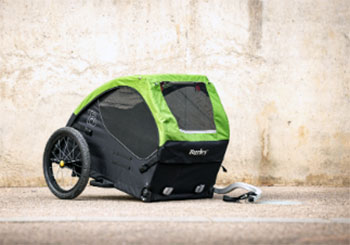
Unboxing the Burley, the difference in quality was immediately palpable.
The aluminum frame felt substantial but surprisingly light.
Setting it up the first time was a bit of a wrestling match; the fabric cover is drum-tight, which is great for safety but requires some serious elbow grease to snap into place initially.
Once assembled, attaching it to my bike was a breeze.
The hitch mount is unobtrusive, and the flex connector gave me confidence that if I laid my bike down, the trailer—and Cooper—would stay upright.
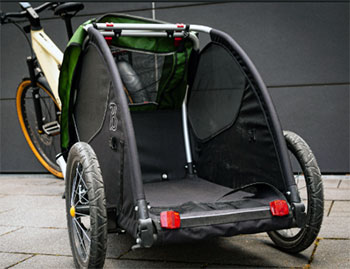
Our first ride was a short loop around the neighborhood to get him acclimated. The low rear tailgate was a game-changer. Cooper is about 65 pounds, and lifting him into a top-loading trailer is a recipe for a back injury. With the Tail Wagon, he could step right in. I tossed his favorite blanket inside, clipped his harness to the internal tie-down points (a must-have feature), and we rolled out.
The towing experience was smoother than I expected. The trailer tracks beautifully. There is no “jerking” feeling when you accelerate, which I experienced with cheaper models. On paved roads, it is silent and steady. However, once we hit the gravel path, I noticed the lack of suspension. While the 16-inch tires absorb some chatter, Cooper was definitely feeling the bigger bumps. I had to be hyper-aware of potholes and slow down significantly on uneven terrain to keep him comfortable.
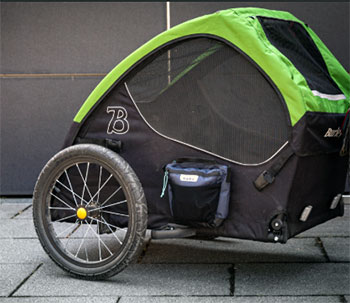
One thing I genuinely loved was the ventilation. The heavy-duty mesh windows on all four sides meant Cooper could sniff the world as we whizzed by, which kept him engaged and happy. Cleaning it after a muddy adventure was also surprisingly easy; the floor is removable, so I could just pull it out and hose it down.
Over the last six months, this trailer has transformed our weekends. It is not perfect—the lack of a dedicated rain fly for heavy downpours is an oversight—but the peace of mind I get from the sturdy roll cage and tip-resistant design is worth the premium price. It feels like a piece of serious cycling equipment, not a toy.
Read More: My Thoughts On Petsafe Scoopfree Litter Box
Pros Of Burley Tail Wagon
When you look at the engineering behind this trailer, it becomes clear why Burley is a market leader. It is designed with the specific needs of a dog owner in mind, rather than just being a repurposed child trailer. Here are the standout benefits that justify the cost.
- Exceptional Durability and Build Quality: The frame is constructed from high-quality 6061-T6 aluminum, which is the same material used in many decent bicycle frames. This offers a fantastic strength-to-weight ratio, meaning the trailer is tough enough to handle a 75-pound dog but light enough (around 21 lbs) that you don’t feel like you are towing a boat anchor. Unlike steel-framed budget trailers that can rust and bend, the Burley feels solid and rigid. After months of use, the fabric shows no signs of fraying, and the zippers remain smooth, which is rare for outdoor gear exposed to dog claws and dirt.
- Senior-Friendly Design: The engineers clearly thought about older or less mobile dogs when designing the entry system. The rear tailgate folds down to create a low, wide entry point that allows a dog to simply step in rather than jump. This is a massive advantage for dogs with hip dysplasia or arthritis who cannot navigate high clearance entries. It reduces the stress of loading and unloading, making the trailer experience positive rather than a physical struggle for your pet.
- Superior Ventilation and Visibility: Dogs experience the world through their noses, and this trailer maximizes that experience. It features heavy-duty mesh windows on all four sides, providing excellent cross-ventilation that prevents overheating on hot summer days. This 360-degree visibility also helps anxious dogs feel less trapped, as they can see you and their surroundings at all times. The mesh is much thicker than standard screen door material, so it resists tearing if your dog decides to paw at it.
- Ease of Storage and Transport: despite its generous interior size, the trailer is incredibly portable when not in use. It features a “fast-action” folding capability that allows it to collapse flat in seconds. The wheels pop off with a simple push-button mechanism, allowing the entire unit to fit into the trunk of a compact car or slide under a bed. This makes it practical for people living in apartments or those who need to drive to a trailhead before starting their ride.
Cons Of Burley Tail Wagon
While it is a premium product, it is not without its flaws. There are certain limitations that might make it the wrong choice for your specific riding conditions or budget.
- Lack of Suspension System: The most significant drawback of the Tail Wagon is the absence of shock absorbers or suspension. While the pneumatic tires help, the ride can get bouncy and harsh on gravel, dirt roads, or potholed city streets. If you plan to do serious off-roading or single-track riding, your dog might get jostled around uncomfortably. For older dogs with sensitive joints, this means you are largely limited to paved paths or very smooth trails unless you ride very slowly.
- High Price Point: There is no getting around the fact that this is an expensive piece of gear. At roughly $400 to $450, it costs four times as much as some entry-level trailers found on Amazon. You also have to pay extra for accessories like the stroller kit or a kickstand, which feels like nickel-and-diming after spending so much on the base unit. For casual users who only plan to ride once or twice a year, the cost-per-use might be hard to justify.
- Limited Rain Protection: The trailer relies heavily on mesh for ventilation, which becomes a liability in a downpour. While the fabric itself is water-resistant, the large mesh panels can let water in if you get caught in a storm. Burley sells a separate rain cover, but it is not included in the box. If you live in a climate like the Pacific Northwest, you will likely need to spend more money to weather-proof the trailer, whereas some competitors include integrated clear vinyl rain covers.
- Initial Assembly Difficulty: While the trailer folds easily once built, the very first assembly can be frustrating. The fabric cover is designed to fit “drum-tight” for safety and aerodynamics. This means that snapping the frame tubes together for the first time requires significant hand strength and patience to stretch the fabric into place. Some users report needing a second person to help muscle the frame into position initially, although the fabric does stretch slightly over time.
Maintenance Tips For Burley Tail Wagon
To keep your investment rolling smoothly for years, you need to treat it like a bicycle. Neglecting maintenance can lead to safety issues or premature wear.
- Cleaning the Fabric and Interior: Your trailer is going to smell like a wet dog eventually, so regular cleaning is essential. The floor is removable, so take it out and hand wash it with mild soap and warm water; do not put it in a washing machine as it can warp the stiffeners. For the main cabin, vacuum out hair and dirt regularly, and spot clean the fabric with a sponge. Avoid using bleach or harsh solvents, as these can degrade the UV coating on the fabric and weaken the mesh.
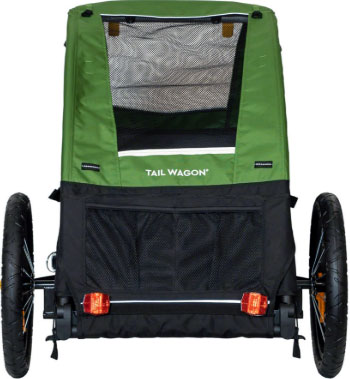
- Tire and Wheel Care: Just like your bike, the trailer tires need to be checked before every ride. Keep the tires inflated to the recommended PSI listed on the sidewall (usually around 35 PSI) to prevent pinch flats and ensure the trailer rolls efficiently. Periodically remove the wheels and wipe down the axles to remove grit and old grease. Apply a light drop of bicycle chain lube to the axle before popping them back in to keep the quick-release mechanism functioning smoothly.
- Hitch and Flex Connector Inspection: The hitch is the most critical safety point on the trailer. Inspect the “flex connector” (the rubbery piece that connects the tow arm to the bike) before every ride for signs of cracking or brittleness. Burley recommends replacing this part every 3 to 5 years regardless of how it looks, as rubber degrades over time. Check that the safety strap is not frayed and that the retaining pin locks securely into place every time you hitch up.
- Proper Storage: Sunlight and moisture are the enemies of the trailer’s longevity. Store the trailer indoors whenever possible to prevent the fabric from fading and becoming brittle due to UV exposure. If you must store it in a garage or shed, ensure it is dry to prevent mold growth on the canvas. Do not store the trailer with the wheels pressing against the plastic windows, as the rubber compounds in the tires can permanently stain or discolor the clear vinyl over time.
Comparison with Other Brands
The pet trailer market has grown significantly, and Burley is no longer the only premium option. Here is how it stacks up against the stiffest competition.
- Thule Courier Dog Trailer Kit: Thule is the other giant in the cargo and transport space, offering a modular system. Comparison: The Thule Courier is more versatile because it is a cargo trailer first that converts into a dog trailer with a kit. It often includes better rain protection features out of the box compared to the mesh-heavy Burley. However, the Thule system is significantly more expensive when you add up the base trailer plus the dog kit. The Thule is also heavier and bulkier. If you need a trailer that hauls groceries on Monday and a dog on Sunday, Thule wins; if you want a dedicated, lightweight dog hauler, Burley is better.
- Schwinn Rascal Pet Trailer: This is the most popular budget-friendly alternative often found in big-box stores. Comparison: The Schwinn Rascal is much cheaper, often half the price of the Burley. It uses a steel frame which is heavier and prone to rust, compared to Burley’s rust-proof aluminum. The weight limit on the Schwinn is typically lower (around 50 lbs), making it unsuitable for larger breeds that the 75-lb capacity Burley can handle. The wheels on the Schwinn are often smaller or use plastic rims, whereas Burley uses high-quality alloy spoke wheels that are more durable. Choose Schwinn for occasional short rides with small dogs; choose Burley for frequent use and larger dogs.
- Croozer Dog Peppa / Enna: Croozer is a German brand known for extremely high-quality, specific designs. Comparison: Croozer offers trailers with specific suspension options (Sylomer suspension) which provides a much smoother ride than the unsuspended Tail Wagon. They also come in very specific sizes (S, M, L, XL) allowing for a better fit for your specific dog breed. However, Croozer trailers are often even more expensive than Burley and can be harder to find in the US market. They are also heavier and wider. If ride comfort is the absolute priority and budget is no object, Croozer wins on suspension; Burley wins on availability, parts support, and portability.
Also Read: My Thoughts On Homeopet Nose Relief
Frequently Asked Questions (FAQ)
The trailer is rated to carry a maximum weight of 75 pounds (34 kg). This capacity includes the weight of your dog plus any gear, blankets, or water you might store in the cargo pockets. It is suitable for most medium to large breeds, but giant breeds like Great Danes or Mastiffs will likely be too heavy and too tall.
Yes, but not right out of the box. You must purchase the 2-Wheel Stroller Kit separately, which includes a handlebar and a small front wheel that attaches to the tow arm. This converts the trailer into a push-stroller, which is excellent for navigating farmers markets or taking injured dogs for a walk. However, it is not designed to be a jogging stroller; it is for walking speeds only.
No, it is not fully waterproof. While the fabric is water-resistant, the large mesh windows are designed for airflow, not rain protection. If you ride in the rain, your dog will get wet unless you purchase the separate Rain Cover accessory. For light sprinkles it is fine, but for heavy weather, stock protection is insufficient.
Yes, it features a quick-fold design. By unlatching the internal frame brackets, the trailer collapses flat (pancake style). The wheels can be removed with a simple push-button release. The folded size is approximately 35.5″ x 25.8″ x 11″, making it easy to slide into a car trunk or a closet.
Conclusion
The Burley Tail Wagon is the gold standard for pet owners who view cycling as a lifestyle rather than just a hobby. It bridges the gap between a simple pet carrier and a high-performance cycling accessory. While the lack of suspension and the high price tag are valid criticisms, the sheer durability, safety features, and ease of use make it the best option for most people.
If you have a medium-to-large dog and plan on riding regularly, this trailer is absolutely worth the investment. It will last for years, hold its resale value, and most importantly, keep your best friend safe and comfortable on every adventure. Don’t skimp on your dog’s safety; if you want to bring them along for the ride, the Tail Wagon is the most reliable way to do it.