
If you are looking for a watch with genuine American roots, you have almost certainly narrowed it down to these two titans. I have spent years collecting, wearing, and obsessing over both brands, and honestly, the choice often feels like splitting hairs between two different eras of history. My intent with this article is to guide you through the “Hamilton vs. Bulova” debate by cutting through the marketing noise and focusing on what actually matters on your wrist—movement reliability, build quality, and that intangible “cool factor.” We will see if Hamilton’s Swiss-made prestige is worth the extra cash or if Bulova’s high-tech quartz revolution offers better value.
A Brief Comparison Table
| Feature | Bulova | Hamilton |
| Origin Story | New York, USA (1875) | Lancaster, PA, USA (1892) |
| Current Ownership | Citizen Group (Japanese) | Swatch Group (Swiss) |
| Movement Focus | High-Performance Quartz (262 kHz) | Swiss Automatic (H-10 / Powermatic 80) |
| Price Sweet Spot | $250 – $600 | $500 – $1,200 |
| Iconic Model | Lunar Pilot (Moon Watch) | Khaki Field (Soldier’s Watch) |
| Crystal Material | Mineral / Sapphire (Mixed) | Sapphire (Standard on most) |
| Vibe | Retro-Tech & Art Deco | Rugged Military & Cinema |
My Experience With Bulova
My journey with Bulova began with the Lunar Pilot. I am a space nerd, but I simply could not justify spending $6,000 on an Omega Speedmaster. When I found out about the “other” moon watch, I was sold. I bought the polished version on the leather strap.
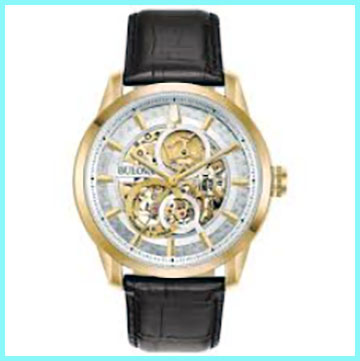
When I first opened the box, I actually laughed.
The thing was massive. It felt like I was strapping a wall clock to my wrist.
But then I pushed the chronograph pushers.
The tactile click was satisfying, but the movement of the seconds hand was mesmerizing.
It didn’t tick; it glided. It was smoother than any automatic I owned.
I found myself just starting the chronograph to watch it sweep.
I wore it to the office, and surprisingly, it fit under my cuff—barely. But where it shined was on the weekend. I swapped the stiff leather strap for a velcro NASA-style strap, and suddenly the watch made sense. It felt like a piece of equipment. I have banged it against door frames, dropped it on hardwood floors, and exposed it to freezing temperatures while shoveling snow. It has never lost a second. Literally. I set it when daylight savings changed, and six months later, it was still dead on to the atomic clock. That kind of reliability is intoxicating. It made me respect quartz in a way I never did before.
Read More: Comparison Of Armitron And Timex
Pros Of Bulova
- Unmatched Quartz Accuracy: One of the most significant advantages of choosing Bulova is access to their proprietary High-Performance Quartz technology. Unlike a standard quartz watch that ticks once per second and is accurate to about 15 seconds a month, Bulova’s Precisionist and 262 kHz movements vibrate at a frequency eight times higher than normal. This results in a seconds hand that sweeps smoother than many automatic watches and accuracy that drifts by merely seconds per year. If you are a stickler for exact timekeeping and hate the idea of resetting your watch every few weeks, this technology is a game-changer that Hamilton simply does not offer in their main lineup.
- Genuine Space Age History: While Omega gets all the glory for the Moon landing, Bulova has a legitimate claim to space history that is often more accessible to the average collector. The Bulova Lunar Pilot is a reissue of the watch worn by Dave Scott during the Apollo 15 mission. It famously survived the harsh lunar environment when his official Omega Speedmaster failed. Owning a Lunar Pilot feels like wearing a piece of NASA history. The brand leans heavily into this legacy without charging the astronomical prices of their Swiss competitors, giving you a story-rich timepiece that starts conversations instantly.
- Innovative Curved Chronographs: Bulova is not afraid to get weird with their engineering, and the “Curv” collection is the perfect example. They built the world’s first curved chronograph movement, which allows the entire watch case to hug the wrist ergonomically. This is a massive pro for comfort, especially if you have smaller wrists but still want a larger, sporty watch. The way the case contours to your arm makes it sit lower and feel more integrated than the slab-sided cases you often find on mechanical chronographs. It is a unique selling point that demonstrates Bulova’s willingness to push boundaries in design.
- Accessible Price Point: For the budget-conscious collector, Bulova consistently offers higher specs for less money compared to Hamilton. You can easily find a Bulova with a complex chronograph movement, decent finishing, and a unique dial for under $400. This makes it an incredible “entry drug” into the world of serious watch collecting. You don’t have to save up for months to get something that looks respectable with a suit or a t-shirt. The barrier to entry is low, but the historical cachet remains high, which is a rare combination in today’s inflated watch market.
- Art Deco Design Language: If you love the style of the 1920s and 30s, Bulova’s “Joseph Bulova” and “Frank Sinatra” collections offer some of the best vintage-inspired dress watches on the market. They capture the rectangular cases, stylized numerals, and gold tones of old New York perfectly. While Hamilton has the Ventura, Bulova offers a broader range of dressy, Great Gatsby-esque designs that look far more expensive than they actually are. It allows you to wear a watch that feels like a family heirloom without the worry of damaging a fragile 100-year-old antique.
Cons Of Bulova
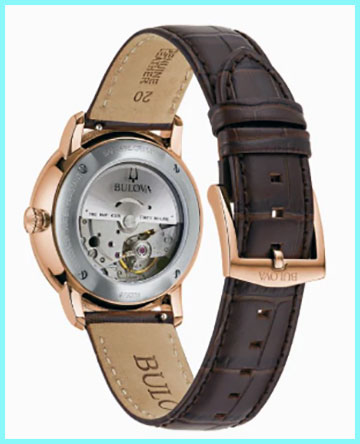
- Inconsistent Sizing Issues: The biggest complaint I have, and one shared by nearly every enthusiast, is that Bulova watches are often bafflingly large. The original Precisionist models and even the first reissue of the Lunar Pilot were monstrosities, clocking in at 45mm or larger with long lug-to-lug distances. They often wear like dinner plates on the average wrist. While they have recently started releasing smaller versions (like the 43.5mm Lunar Pilot), the brand still has a tendency to “oversize” their modern designs to appeal to mass-market mall trends. This alienates purists who prefer the classic 36mm–40mm sweet spot that vintage watches originally occupied.
- Confusing Brand Identity: Bulova suffers from a bit of an identity crisis because they try to be everything to everyone. On one hand, they have the prestigious “Archive Series” with respectful military and space reissues. On the other hand, they produce flashy, diamond-encrusted fashion watches that you find in department store display cases next to perfume bottles. This dilution can make the brand feel less “serious” to snobby collectors. When you buy a Hamilton, you know you are buying a field or aviation tool watch. When you buy a Bulova, you have to explain which Bulova you bought—the respected historical one or the fashion accessory.
- Mineral Crystal Usage: At the price point where Bulova competes, they often cut corners on the glass. Many of their sub-$400 models, and even some more expensive ones, still come with mineral crystal instead of scratch-resistant sapphire. In a world where even $200 microbrands are offering sapphire standard, this feels dated and cheap. Mineral glass scratches easily if you brush it against a doorknob or a zipper. Once it is scratched, you are stuck with it unless you replace the crystal. For a watch meant to be worn daily, this is a significant durability drawback compared to Hamilton’s almost universal use of sapphire.
- Butterfly Clasps on Leather: This is a specific ergonomic gripe, but it drives me crazy. Bulova frequently puts butterfly deployment clasps on their leather straps. While this looks premium, their implementation is often uncomfortable. The metal hardware can dig into the underside of your wrist, and it adds unnecessary bulk to the strap. A simple pin buckle is often more comfortable and practical. I have found myself immediately swapping out the factory straps on almost every Bulova I have owned because the clasp mechanism was just too clunky for all-day wear.
- Resale Value Struggles: If you are the type of person who likes to flip watches to fund the next purchase, Bulova can be a painful hold. Because they are frequently on deep discount at major retailers (sometimes 40-50% off MSRP), their secondhand value tanks immediately. You cannot buy a Bulova at full retail price and expect to get anywhere near your money back. It is a brand you buy to keep, or you buy used to save the depreciation hit. Compare this to Hamilton, which generally holds a steadier percentage of its value due to the Swiss-made label and higher enthusiast demand.
My Experience With Hamilton
I bought the Hamilton Khaki Field Mechanical (the white dial version) because I wanted a watch I could ignore. I wanted something that didn’t scream “look at me” but felt special to me.
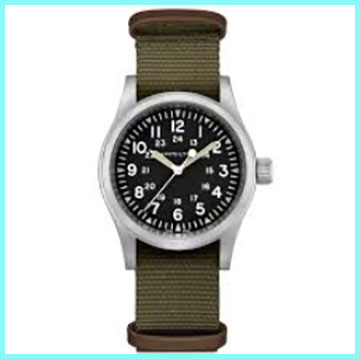
The first thing I noticed was how thin it was. It disappeared on my wrist.
The winding action of the H-50 movement (the hand-wound version of the H-10) is crisp and tactile.
It became a morning ritual: wake up, coffee, wind the watch.
There is a connection you form with a manual wind watch that you don’t get with an automatic. You are the battery.
However, the lack of AR coating annoyed me more than I expected.
Driving on a sunny day, I would glance at my wrist and just see a reflection of my steering wheel. I also learned the hard way about the water resistance. I dunked it while washing my dog, and while it didn’t leak, I spent the next hour frantically googling “Khaki Field water ingress” because I was paranoid about the non-screw-down crown. It was fine, but the anxiety was real. Despite that, it is the watch I wear 80% of the time. It has picked up scratches on the bezel, and the strap has faded, but it just looks better. It ages gracefully, like a good pair of leather boots. It feels like a companion rather than an accessory.
Pros Of Hamilton
- The Power of the H-10 Movement: The engine inside modern Hamilton automatics is a marvel of practicality. The H-10 caliber (based on the ETA C07) offers a massive 80-hour power reserve. This is a legitimate “weekend proof” feature. You can take your watch off on Friday evening, leave it on your dresser, and pick it up Monday morning, and it will still be ticking and keeping time. Most standard automatics only last about 38-40 hours, meaning they would be dead by Sunday. For a daily wearer or a one-watch collection, this convenience is absolutely huge and makes the mechanical experience much less of a hassle.
- Authentic Field Watch Heritage: No brand owns the “field watch” aesthetic quite like Hamilton. The Khaki Field Mechanical is arguably the definitive soldier’s watch. It isn’t just a style choice; it is a direct lineage to the watches they built for the US military in WWII and Vietnam. The dial layout, the bead-blasted case, and the drilled lugs are all functional, utilitarian, and timeless. When you wear a Khaki Field, you feel that connection to the past. It looks as good today as it did in 1945, and it pairs with literally anything from a flannel shirt to a casual blazer. It is the ultimate “GADA” (Go Anywhere, Do Anything) style.
- Swiss-Made Quality Control: Since Hamilton is part of the Swatch Group (which owns Omega, Longines, and Tissot), they benefit from Swiss manufacturing standards. Generally speaking, the fit and finish on a Hamilton feels a step above Bulova. The brushing on the cases is finer, the dial printing is crisper, and the crown action feels more solid. You are getting a “Swiss Made” watch that meets strict legal standards for quality. For many buyers, seeing that label on the dial provides a peace of mind regarding longevity and serviceability that a Japanese-owned (but often China-manufactured) brand cannot always match.
- Hollywood Star Power: If you love movies, Hamilton is the brand for you. They have appeared in over 500 films, and not just as paid product placement, but often as plot devices. The “Murph” watch from Interstellar is iconic not just because it looks good, but because it was central to the movie’s emotional climax. The Ventura in Men in Black defines the look of those characters. Wearing a Hamilton often means wearing a watch that played a supporting role in your favorite film. It adds a layer of pop-culture fun to the ownership experience that feels organic rather than forced.
- Versatile Catalog Depth: Hamilton covers every base exceptionally well. Do you want a dirty dozen field watch? Get the Khaki Mechanical. Do you want a Mad Men-style dress watch? Get the Intra-Matic. Do you want a weird electric geometric icon? Get the Ventura. Do you want a serious dive watch? Get the Khaki Navy Scuba. Their catalog is incredibly deep and coherent. They don’t have many “misses” or weird experimental failures. You can build an entire collection just from Hamilton and have a perfect watch for every single occasion in your life without ever feeling like you compromised.
Cons Of Hamilton
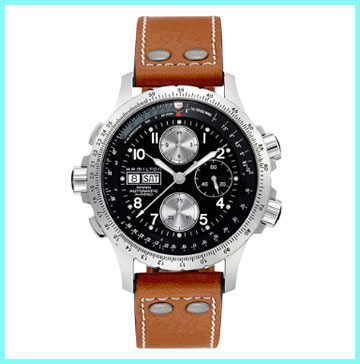
- Lack of Anti-Reflective Coating: One of the most common complaints about the Khaki Field line is the lack of Anti-Reflective (AR) coating on the sapphire crystal. This turns the watch into a mirror in direct sunlight or under bright office lights. It can be genuinely difficult to read the time at certain angles because of the glare. For a watch that is supposed to be a utilitarian tool for the field, this is a baffling design choice. It makes the crystal look cheaper than it is and often forces you to do the “wrist twist” dance just to see the dial clearly.
- Water Resistance Paranoia: While the Khaki Field Automatic is rated to 100m, many of Hamilton’s most popular field watches (like the Mechanical) lack a screw-down crown. This makes many users, myself included, nervous about taking them swimming. While 50m or 100m should be fine for swimming, the lack of that threaded seal offers less peace of mind than competitors who include it standard. There are countless forum threads of people asking, “Can I swim with my Khaki Field?” simply because the build doesn’t feel as aquatic-ready as it should for a “go anywhere” watch.
- Lume Performance is Weak: If you are a “lume junkie” who loves a watch that glows like a torch all night, Hamilton will disappoint you. The Super-LumiNova on most Khaki models is adequate at best and pitiful at worst. It charges up quickly but fades very fast. Compared to the nuclear glow of a Seiko or the tritium tubes of a Ball watch, Hamilton’s lume is often thin and applied sparingly. In a dark movie theater or a tent, you might struggle to read the time after a few hours of darkness, which is ironic for a brand with such a strong military background.
- Long Lugs: Hamilton has a tendency to design cases with very long lugs. For example, the 38mm Khaki Field has a lug-to-lug distance of about 47mm, which is quite long for that case width. This means that even their smaller watches wear larger than the dimensions suggest. If you have narrow wrists, the lugs might overhang the edges of your arm, creating a gap that looks awkward. It makes buying them online a bit of a gamble if you haven’t tried them on in person, as the diameter number does not tell the whole story of the fit.
- Price Creep: Hamilton used to be the undisputed king of value, but their prices have been creeping up steadily. The Khaki Field Mechanical, which used to be a sub-$400 steal, is now pushing closer to $600-$700 at retail. As they move upmarket, they face stiffer competition from brands like Christopher Ward or huge value offerings from Seiko. While they are still “affordable luxury,” they are no longer the impulse buy they were five years ago. You have to think a bit harder about whether the specs justify the new pricing tier they are entering.
Comparison With Other Brands
- Tissot: Tissot is Hamilton’s sibling in the Swatch Group, and they often fight for the same dollar. Tissot leans more towards dressy and modern (like the PRX or Gentleman), whereas Hamilton leans towards heritage and field. Tissot often offers better specs for the price (like silicon hairsprings in the Gentleman), but Hamilton has a stronger, more distinct American identity. If you want a modern, flashy sports watch, Tissot wins. If you want a rugged tool watch with history, Hamilton wins.
- Seiko: The Seiko Alpinist or the Seiko 5 Sports are the direct rivals to the Khaki Field and Bulova’s divers. Seiko offers incredible lume and in-house manufacturing, but their accuracy is a lottery. You might get a Seiko that runs +20 seconds a day. With Hamilton, you are almost guaranteed tighter Swiss accuracy. With Bulova, you get perfect quartz precision. Seiko wins on “charm” and dive watch heritage, but Hamilton and Bulova often beat them on quality control and bracelet quality in the mid-tier range.
- Citizen: Since Citizen owns Bulova, there is overlap. Citizen focuses on Eco-Drive (solar) technology, which is arguably more practical than Bulova’s high-frequency quartz (which eats batteries faster). However, Citizen designs are often more functional and less “styled.” Bulova is allowed to be the “design” wing of the group, taking more risks with retro looks. If you want a watch you never have to change the battery for, buy a Citizen. If you want a watch with a smooth sweep and retro flair, buy a Bulova.
Also Read: Comparison Of Armitron And Casio
Frequently Asked Questions (FAQ)
The main difference is origin and movement focus. Hamilton is a Swiss-made brand (Swatch Group) focusing on automatic mechanical movements and field/aviation heritage. Bulova is a Citizen-owned brand focusing on high-accuracy quartz (Precisionist) and retro American designs.
Hamilton is considered “entry-level luxury.” They are a step above mass-market brands like Fossil or standard Seiko, offering Swiss movements and sapphire crystals, but they are below high-end luxury brands like Omega or Rolex.
Bulova is generally considered “upper mass-market” or “enthusiast entry-level.” While they have high-end history, most of their current catalog is affordable. However, their specific lines like the “Archive Series” are highly respected by high-end collectors.
Bulova is most comparable to Tissot (in terms of variety), Seiko (in terms of price and range), and Citizen (its parent company). It sits in that $300–$600 sweet spot where you get solid quality without a luxury price tag.
Conclusion
If you are a purist who values mechanical engineering, Swiss-made pedigree, and a watch that feels like a rugged tool from a bygone era, Hamilton is your clear winner. The Khaki Field is a legend for a reason. It offers an ownership experience that connects you to the traditional world of horology with a movement that you can rely on for a lifetime.
However, if you are a pragmatist who values incredible accuracy, unique technology, and distinct retro-futuristic design, Bulova offers a value proposition that is hard to beat. The Lunar Pilot and Precisionist lines give you features that no other brand—Swiss or Japanese—can match at that price point.
Buy the Hamilton Khaki Field if you want a daily driver that will age with you. Buy the Bulova Lunar Pilot if you want a weekend statement piece with a cool story to tell at the bar. Both are American icons, and honestly, you probably need one of each in your watch box eventually.