
If you share your home with a feline friend, you know the eternal struggle of the litter box. The dust clouds that coat your bathroom surfaces, the gritty granules tracked into your bed sheets, and that distinctive “litter box smell” that seems to defy even the strongest air fresheners. You have probably seen the Tidy Cats Breeze Litter System in the aisles of pet stores or in targeted ads, promising a revolutionary “anti-tracking, anti-dust” experience. It looks different, it works differently, and frankly, the price tag for the starter kit makes you pause.
In this review, I am going to break down every aspect of the Breeze Kitty Litter system, from the unique zeolite pellets to the absorbent pad technology. I will analyze if the shift from traditional clay is actually an upgrade or just a more expensive way to manage waste. We will look at the long-term costs, the reality of odor control, and how picky cats react to the texture change. My goal is to help you decide if this system is the sanity-saver your home needs or if you should stick to the scoop. For those ready to make the switch, the system and refills are widely available at major retailers like Chewy, PetSmart, and Amazon.
My Experience With Breeze Kitty Litter
I decided to switch to the Tidy Cats Breeze system after reaching my breaking point with traditional clay litter. I live in a relatively small apartment, and the dust from my previous brand was settling on everything—my bookshelves, my electronics, and even my toothbrush. It felt like I was living in a construction zone. I picked up the Breeze system hoping that the “99.9% dust-free” claim was more than just marketing hype.
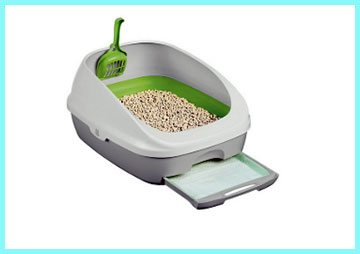
Setting it up was incredibly simple.
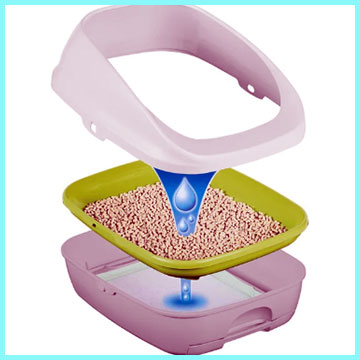
The system consists of two parts: a top tray with a grated bottom where the pellets go, and a pull-out drawer underneath for the absorbent pad.
It looked cleaner and more modern than my old open pan. However, the real challenge was the transition.
My cat, a creature of habit named Luna, stared at the ceramic-like pellets with deep suspicion.
They are large, cylindrical, and hard—nothing like the sand she was used to.
For the first few days, I followed the transition guide religiously, mixing a few pellets into her old litter box and placing the new Breeze box right next to it. It took about a week before she finally stepped into the Breeze box. The first time she used it, I was anxiously hovering nearby. She scratched around, did her business, and hopped out. The immediate victory? No gray footprints on the dark hardwood floor. The tracking was virtually non-existent compared to the sandy mess I was used to.
Over the next month, I really got to know the system’s quirks. The urine odor control is genuinely impressive. The liquid passes right through the pellets and gets locked into the pad below. I didn’t smell ammonia at all for the first five or six days. Changing the pad was also surprisingly non-gross; you just pull out the drawer, toss the pad like a diaper, and slide in a new one. It felt much more sanitary than scraping wet clumps of clay off the bottom of a plastic pan.
However, the poop situation was a bit of a learning curve. Because the pellets don’t clump or cover the solid waste like clay does, the smell of fresh poop is… potent. If Luna went to the bathroom while I was home, I knew immediately. You have to scoop the solids pretty much as soon as they happen to keep the air fresh. Also, stepping on a stray pellet is a pain that rivals stepping on a Lego. They are hard and unforgiving.
Despite the poop odor issue, I stuck with it because the lack of dust improved my air quality significantly. My allergies flared up less, and I wasn’t constantly vacuuming gravel out of the carpet. It isn’t a perfect system, and it definitely costs more to maintain than a $10 bag of clay, but for my lifestyle and small space, the trade-off of “scoop immediately” vs. “live in dust” was worth it.
Read More: My Thoughts On Fresh Step Outstretch
Pros Of Breeze Kitty Litter
When evaluating the Breeze system against traditional options, there are several distinct advantages that make it a favorite for apartment dwellers and neat freaks. Here are the specific benefits that stand out.
- Complete Elimination of Dust Clouds: The most significant advantage of the Breeze system is the absolute lack of dust. Traditional clay litters, even the “low dust” ones, inevitably release a plume of silica dust every time you pour fresh litter or scoop a clump. The Breeze pellets are made of zeolite, a non-toxic mineral that is hard and substantial. They do not break down into powder when wet or when scratched by your cat. This means your lungs, your furniture, and your cat’s respiratory system are safe from that fine gray coating that plagues most cat owners’ homes.
- Superior Urine Odor Management: The separation of liquid and solid waste is a brilliant design choice for controlling ammonia smells. In a clay litter box, urine sits in the box (even inside a clump) until you scoop it, often breaking apart and leaving contaminated bits behind. In the Breeze system, the urine passes instantly through the pellets and is trapped in the super-absorbent pad below. These pads function like high-quality diapers, locking away the liquid and the smell. As long as you change the pad regularly (usually once a week for one cat), you will rarely, if ever, smell that sharp ammonia scent.
- Drastic Reduction in Tracking: If you are tired of finding litter granules in your bed or on your kitchen counters, this system is a game-changer. The pellets are large and relatively heavy compared to grains of clay or corn. They do not stick to your cat’s paws or fur, meaning they stay in the box where they belong. While a determined digger might kick one or two pellets out during a vigorous covering session, you will never have to deal with the “sandy beach” effect around the litter box entrance. Any stray pellets are easily picked up by hand and tossed back in.
- Simplified Cleaning Routine: The daily maintenance of the Breeze system is physically easier than scooping heavy clumps of clay. You only have to scoop the solid waste, which sits on top of the pellets and is easy to locate. You do not have to dig through heavy, wet sand or scrape sludge off the bottom of the pan. Changing the litter is also less labor-intensive; instead of hauling a 40-pound bag of clay every month, you are handling a lightweight bag of pellets and a few pads. For people with back issues or limited mobility, the reduced weight of the supplies and the waste is a major plus.
Cons Of Breeze Kitty Litter
While the system has changed the game for many, it is not flawless. There are valid reasons why some cat owners switch back to traditional litter after trying Breeze. It is important to know these drawbacks before investing in the starter kit.
- Poor Odor Control for Solid Waste: This is the most common complaint among Breeze users. Because the pellets are large and non-clumping, they do not coat or seal the feces effectively. The poop essentially sits on top of the pellets, exposed to the air. If your cat doesn’t bury their waste perfectly (and even if they do), the smell of fresh feces can fill the room instantly. Unlike clay, which desiccates and smothers the smell, the Breeze system relies on you scooping the solids out as soon as possible to mitigate the odor.
- Higher Long-Term Recurring Costs: The “razor and blades” business model is in full effect here. Once you buy the box, you are locked into buying the specific Tidy Cats pads and pellets (unless you use hacks, which we will discuss later). A pack of pads and a bag of pellets per month generally costs significantly more than a standard box of clumping litter. If you have multiple cats, you go through pads much faster, and the costs can balloon quickly. You aren’t just buying litter; you are buying a two-part consumable system forever.
- Some Cats Reject the Texture: Cats are notoriously picky about the surface they step on. The zeolite pellets are hard, large, and unnatural compared to the soft, sandy texture of clay. Some cats find walking on them uncomfortable or confusing. There is a risk that your cat will refuse to use the box entirely, leading to accidents outside the litter box. The transition period can be stressful, and for some stubborn felines, the texture is simply a dealbreaker no matter how slowly you introduce it.
- Painful Hazards for Human Feet: While tracking is minimal, it is not non-existent. If a pellet does escape the box and lands on your bathroom rug or hallway floor, finding it with your bare foot in the middle of the night is excruciating. They are hard, non-compressible cylinders that feel exactly like stepping on a Lego brick. You have to be vigilant about spotting and retrieving any escaped pellets to save your soles.
Maintenance Tips For Breeze Kitty Litter
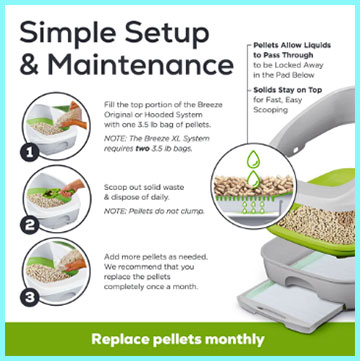
To keep the Breeze system working efficiently and to keep costs down, you need a slightly different maintenance strategy than with standard litter boxes. Here are detailed tips to get the most out of your system.
- Rotate the Pad Drawer Mid-Week: Most cats tend to urinate in the same spot in the box every time, usually towards the back or one specific corner. This means the absorbent pad often gets saturated in just one spot while the rest of it remains dry. To get the full seven days (or more) out of a single pad, pull the drawer out after 3 or 4 days and rotate it 180 degrees before sliding it back in. This ensures the urine is distributed to the clean side of the pad, maximizing its absorbency and preventing leaks from an over-saturated corner.
- Scoop Solids Immediately and Thoroughly: Since the pellets don’t mask the smell of poop, your best defense is speed. Keep a supply of small waste bags (like doggy poop bags) or a disposal system like a Litter Genie right next to the box. Scoop the solids at least once a day, or immediately if you are home when it happens. When you scoop, try to shake the scoop gently to let the clean pellets fall back into the box, removing only the waste and the few pellets stuck to it. This preserves your pellet supply so you don’t have to refill the bag as often.
- Deep Clean the System Monthly: Even though the pads catch the urine, the plastic grate and the drawer can eventually absorb odors or get sticky residue. Once a month, when you are ready to replace the pellets entirely, take the empty box apart. Wash the top tray, the grate, and the drawer with hot water and mild dish soap. Avoid using harsh chemicals or bleach, as these strong scents can deter your cat from using the box. Let it dry completely before adding the fresh bag of pellets to ensure moisture doesn’t get trapped and create mold.
- The Pine Pellet Hack for Cost Savings: If the cost of the official zeolite pellets is hurting your budget, many users switch to kiln-dried pine pellets (often sold as equine bedding at farm supply stores). These pine pellets turn into sawdust when they get wet. In the Breeze system, the sawdust falls through the grate into the drawer (or you can use the drawer without a pad to catch the sawdust). This is significantly cheaper than the official pellets and offers a natural pine scent. However, be aware that this changes the mechanic of the box slightly and requires you to empty the sawdust tray more frequently than the pad.
Comparison with Other Brands
The Breeze system is unique, but it has strong competitors in the premium litter market. Here is how it stacks up against three major alternatives.
- PrettyLitter (Silica Gel System): PrettyLitter is another non-clumping, subscription-based competitor that uses fine silica crystals. Comparison: PrettyLitter’s main selling point is its health-monitoring feature; the crystals change color based on the pH of your cat’s urine, alerting you to potential UTIs. The Breeze system does not offer this diagnostic capability. However, PrettyLitter is much sandier and tracks significantly more than the Breeze pellets. Breeze is better for people who prioritize a clean floor, while PrettyLitter is better for owners anxious about their cat’s urinary health. Both are expensive compared to clay, but Breeze feels more like a permanent hardware solution, whereas PrettyLitter is just expensive sand.
- Dr. Elsey’s Ultra (Premium Clumping Clay): This is often cited as the gold standard for traditional clumping litter. Comparison: Dr. Elsey’s is significantly cheaper per pound than maintaining the Breeze system. It clumps hard and controls poop odor much better because it completely encapsulates the waste. However, it is heavy, dusty, and tracks everywhere. If you have a large home where tracking isn’t a huge issue, Dr. Elsey’s is the more economical and odor-proof choice. If you are in a small apartment where dust and tracking are dealbreakers, Breeze wins despite the higher cost and weaker poop odor control.
- Feline Pine (Natural Pine Pellets): Feline Pine uses compressed wood pellets similar to the “hack” mentioned earlier, but usually in a standard box. Comparison: Feline Pine is completely biodegradable and sustainable, whereas the Breeze zeolite pellets and plastic pads contribute to landfill waste. Pine has a strong natural scent that covers urine well, but some cats and owners find the wood smell overpowering. The Breeze system is easier to maintain because the urine disappears into the pad; with standard pine litter, you have to sift the sawdust out manually or it becomes a mushy mess. Breeze offers a “set it and forget it” convenience for urine that standard pine pellets lack.
Also Read: My Thoughts On Comfort Zone Cat Diffuser
Frequently Asked Questions (FAQ)
For a single-cat household, the absorbent pad should be changed once a week (every 7 days). The hard pellets should be completely replaced once a month. If you have multiple cats, you will need to change the pads every 3-4 days and the pellets every 2-3 weeks. Always monitor the pad; if it looks saturated or smells, change it sooner.
It is excellent at controlling urine odor, often better than clay litter, because the ammonia is locked in the pad. However, it is not as effective at controlling solid waste odor. Because the poop sits on top of the pellets and isn’t “buried” in clumping sand, it can smell quite strong immediately after your cat goes. Daily scooping is required to keep the poop smell under control.
Technically, yes, some users do wash the zeolite pellets in hot water and vinegar to extend their life. However, it is a labor-intensive and messy process. You have to soak them, scrub them to remove bacteria, and let them dry completely in the sun for days. For most people, the time and effort required to wash them outweighs the cost of buying a new bag.
While Purina recommends only using their brand pellets, many users successfully use generic pine pellets or even dried beans/corn (though this can attract pests). The most common alternative is pine pellets from tractor supply stores. Note that pine pellets disintegrate into sawdust when wet, so they work differently; the sawdust will fall into the bottom tray, which you will need to empty regularly instead of just swapping a pad.
Conclusion
The Tidy Cats Breeze Litter System is a polarizing product that you will likely either love or hate, with very little middle ground. It is a fantastic solution for cat owners living in small spaces who are desperate to eliminate dust and litter tracking from their lives. The convenience of the “pee pad” system and the cleanliness of the pellets make it a hygienic upgrade from the sandy mess of traditional boxes.
However, if you are on a strict budget or have a cat that is extremely fussy about texture, this might not be the right fit. The ongoing cost of refills and the requirement for immediate poop scooping are real downsides. If you value clean floors and fresh air over cheap maintenance, the Breeze system is absolutely worth the investment. Just be prepared for a transition week, and maybe keep a pair of slippers handy for that one stray pellet.