
I’ve been through countless tubes of diaper rash cream as a parent, and the two names that kept appearing in my shopping cart were Boudreaux’s Butt Paste and Desitin. When your baby is uncomfortable and crying from diaper rash, you want relief fast. I decided to put both products to the test over several months, comparing everything from texture and smell to actual effectiveness and value for money, so you can make an informed decision about which cream deserves a spot in your diaper bag.
A Brief Comparison Table
| Feature | Boudreaux’s Butt Paste | Desitin |
|---|---|---|
| Active Ingredient | Zinc Oxide (16-40%) | Zinc Oxide (13-40%) |
| Texture | Thick, paste-like | Creamy to thick |
| Scent | Mild, pleasant | Medicinal, stronger |
| Price Range | Mid-range | Budget to mid-range |
| Application | Requires effort to spread | Easier to spread |
| Water Resistance | Excellent | Very good |
| Best For | Moderate to severe rash | Mild to moderate rash |
| Staining | Minimal | Can stain fabrics |
| Availability | Widely available | Very widely available |
My Experience With Boudreaux’s Butt Paste

I first picked up Boudreaux’s Butt Paste when my daughter developed a stubborn rash that wouldn’t respond to the drugstore cream I’d been using.
The name alone made me curious, and honestly, it seemed like something that would either work amazingly or be a complete gimmick.
The original formula felt incredibly thick when I squeezed it out of the tube.
I remember thinking it looked more like actual paste than a typical diaper cream.
This thickness meant I had to work a bit harder to spread it evenly, but once applied, it created this impressive barrier that stayed put through multiple diaper changes.
The smell was surprisingly pleasant compared to other zinc oxide creams I’d tried, with none of that overwhelming medicinal odor that makes you want to hold your breath.
What really impressed me was how quickly I saw results. Within 24 hours, the angry redness had calmed down significantly. By the second day, my daughter seemed much more comfortable during diaper changes. I started using it preventatively on areas prone to chafing, and we avoided many rashes altogether.
I also tried the Maximum Strength version during a particularly rough bout with teething-related diarrhea. That formula contains 40% zinc oxide compared to the 16% in the original. It was even thicker and harder to spread, but it created an almost waterproof seal that protected her skin even when she had frequent watery stools. The trade-off was that it required more effort during application and cleanup.
Over the months, I found myself reaching for Boudreaux’s whenever prevention was the goal or when a rash was already established. The tube lasted surprisingly long because you don’t need much product, and a little really does go a long way when you spread it properly.
Pros Of Boudreaux’s Butt Paste
- Superior barrier protection: The thick, paste-like consistency creates an incredibly durable barrier between your baby’s skin and moisture. I found this especially valuable during bouts of diarrhea or when my daughter had to sit in a wet diaper for longer than ideal during car trips. The cream doesn’t break down easily, meaning it continues protecting even after multiple wettings. This staying power translates to fewer applications needed throughout the day, which saves both time and product.
- Higher zinc oxide options: Boudreaux’s offers formulations with up to 40% zinc oxide in their Maximum Strength version, providing serious healing power for stubborn rashes. The original formula contains 16% zinc oxide, which is still respectable for everyday use. I appreciated having options depending on the severity of the situation. When my daughter had antibiotic-related diarrhea that caused terrible diaper rash, the Maximum Strength formula was the only thing that provided relief. The high zinc concentration promotes faster healing by creating an optimal environment for skin recovery.
- Pleasant scent profile: Unlike many zinc oxide creams that have an overwhelming medicinal smell, Boudreaux’s has a mild, almost neutral scent. This made diaper changes more pleasant for both me and my baby. Strong smells can sometimes irritate babies’ sensitive noses, and I noticed my daughter was less fussy during application compared to when I used stronger-smelling creams. The subtle scent also meant I didn’t walk around smelling like a pharmacy after diaper changes, which was a nice bonus.
- Long-lasting tubes: Because the formula is so thick and you only need a small amount per application, each tube lasts significantly longer than thinner creams. I calculated that one four-ounce tube lasted approximately six weeks with daily use, compared to three to four weeks for similar-sized tubes of thinner creams. This makes the higher price point more reasonable when you consider cost per application. The longevity also means fewer trips to the store and less packaging waste over time.
- Minimal fabric staining: I found that Boudreaux’s caused less staining on clothes and cloth diapers compared to other zinc oxide creams. While it’s not completely stain-free, the residue washes out more easily with regular detergent. This was particularly important for us since we used cloth diapers part-time. The cream doesn’t leave that stubborn yellow-orange tinge that some other brands do, which preserved our baby clothes and saved money on replacement items.
- Natural ingredient options: Boudreaux’s offers formulations with natural ingredients like aloe and vitamins that support skin healing beyond just creating a barrier. I used the Natural formula when my daughter’s skin was particularly sensitive, and the addition of soothing botanicals seemed to calm irritation faster. The company also avoids certain preservatives and fragrances that can trigger allergic reactions in sensitive babies. Knowing what’s going onto my baby’s skin gave me peace of mind.
- Works preventatively: I discovered that applying a thin layer of Boudreaux’s before bed prevented overnight rashes from developing. The protective barrier lasted through the entire night, even during heavy wetting periods. This preventative approach saved us from dealing with painful rashes and the distress they cause. Other parents I spoke with confirmed similar preventative success, especially during teething phases when babies are more prone to acidic stools.
Cons Of Boudreaux’s Butt Paste
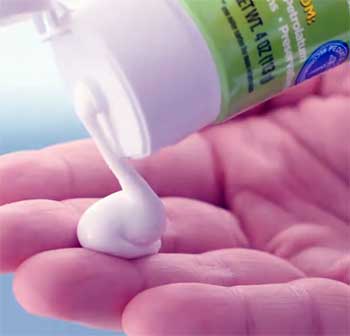
- Difficult application: The thick consistency that makes Boudreaux’s so effective also makes it challenging to spread evenly, especially with a squirming baby. I often found myself having to rub more vigorously than I would have liked, which sometimes seemed uncomfortable for my daughter when her skin was already irritated. During rushed diaper changes, the application time was noticeably longer than with creamier alternatives. The thickness also meant the product didn’t warm up and soften as quickly in my hands, making spreading even more difficult in colder months.
- Higher price point: Boudreaux’s typically costs more per ounce than many competing brands, including Desitin. While the tubes last longer, the initial purchase price can be off-putting, especially for parents on tight budgets. When I was buying multiple tubes to keep in different locations (diaper bag, nursery, grandparents’ house), the cost added up quickly. For families going through several tubes per month due to chronic diaper rash issues, the price difference becomes significant over time.
- Harder cleanup: Getting Boudreaux’s off your hands requires more thorough washing than thinner creams. I found myself scrubbing with soap multiple times to remove all residue, and even then, I sometimes had a slight film remaining. The thick formula also clings to changing pad covers and other surfaces, requiring more effort to clean up accidental smears. This cleanup factor became particularly annoying during nighttime changes when I just wanted to get back to sleep.
- Less widely available: While Boudreaux’s is available at major retailers, I couldn’t always find it at smaller stores or pharmacies. During a vacation in a rural area, I ran out and couldn’t locate a replacement anywhere nearby. This limited availability means you need to plan ahead and stock up, which isn’t always convenient. Online ordering is an option, but that doesn’t help when you need cream immediately for a developing rash.
- Strong adhesion to skin: The same barrier properties that protect skin also mean the cream can be difficult to remove completely during the next diaper change. I noticed buildup in skin folds if I wasn’t thorough about wiping away old cream before applying fresh layers. This buildup could potentially trap moisture and bacteria, counteracting the cream’s protective benefits. It required more careful attention during each diaper change to ensure proper hygiene.
- Requires more product knowledge: With multiple formulations available (Original, Maximum Strength, Natural), choosing the right version can be confusing for first-time parents. I initially bought the wrong strength for our needs and had to exchange it. The packaging doesn’t always clearly explain which formula is best for which situation, requiring research or trial and error. This learning curve can be frustrating when you’re dealing with an uncomfortable baby and just want something that works.
- Can feel heavy on skin: During warmer months or in humid conditions, the thick layer of Boudreaux’s felt heavy on my baby’s skin. I worried about whether it was preventing proper air circulation, which is important for healing. While the barrier protection is beneficial, I sometimes wondered if it was too occlusive for everyday use in non-rash situations. Finding the right balance between protection and breathability required adjustments based on weather and my baby’s specific needs.
Read More: My Thoughts on Namesake Liberty Crib
My Experience With Desitin
Desitin was actually the first diaper rash cream I ever used. It’s what the hospital sent us home with, and it seemed like the obvious choice given how many parents recommended it. I’ve used various Desitin formulations over the years, from the Daily Defense to the Maximum Strength purple tube.
The Daily Defense formula with 13% zinc oxide became my go-to for everyday use. It has a creamy consistency that spreads much more easily than Boudreaux’s, which I appreciated during those middle-of-the-night diaper changes when I was half asleep. I could apply it quickly without having to rub too hard, and my baby barely noticed I was putting anything on. The scent is definitely more medicinal and noticeable, though I got used to it over time.
For actual rashes, I switched to Desitin Maximum Strength, which contains 40% zinc oxide. This formula is noticeably thicker and more similar to Boudreaux’s consistency. It worked well for mild to moderate rashes, clearing them up within a day or two of consistent application. However, I noticed it didn’t seem quite as effective as Boudreaux’s for the really stubborn, severe rashes.
One thing I appreciated about Desitin was its availability. I could find it at literally any store, from major retailers to small pharmacies. When traveling, I never worried about running out because I knew I could grab a tube anywhere. The price point was also generally lower than Boudreaux’s, which mattered when going through multiple tubes per month.
The downside I discovered was staining. Desitin left yellowish marks on clothes and cloth diapers that were difficult to remove, even with stain treatment. I learned to be extra careful during application and always made sure the cream was fully absorbed before dressing my baby.
Pros Of Desitin
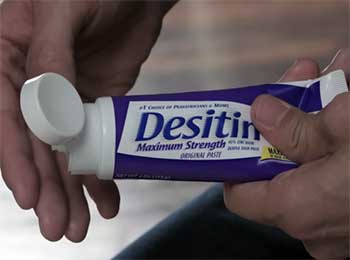
- Smooth application: Desitin’s creamy consistency spreads easily and quickly, making diaper changes faster and less stressful for both parent and baby. I could apply it with minimal rubbing, which was gentler on irritated skin. The cream warmed up instantly in my hands, making it comfortable to apply even during winter months. This ease of application was especially valuable during those frequent diaper changes in the newborn stage when efficiency matters.
- Multiple formula options: Desitin offers various formulations for different needs, from Daily Defense for prevention to Maximum Strength for severe rashes. I appreciated being able to choose the right product for the specific situation without switching brands entirely. The Daily Defense formula was perfect for everyday use, while I kept Maximum Strength on hand for emergencies. This versatility meant I could stay loyal to one brand while still addressing different levels of diaper rash severity.
- Budget-friendly pricing: Desitin consistently costs less than premium brands like Boudreaux’s, making it accessible for families watching their spending. The lower price point meant I didn’t feel guilty using it generously or keeping multiple tubes in different locations. For parents dealing with chronic diaper rash issues that require frequent applications, the cost savings become significant over months of use. I could afford to use it preventatively without worrying about the expense.
- Excellent availability: I could find Desitin at virtually every store that sells baby products, from major retailers to small corner pharmacies. This widespread availability meant I never had to worry about running out while traveling or during odd hours when only certain stores were open. The consistency in finding the same product everywhere reduced stress and planning requirements. I knew I could grab a tube anywhere without researching which stores carried it.
- Proven track record: Desitin has been around for decades and has treated countless cases of diaper rash successfully. This long history provided confidence that I was using a tested, reliable product. The brand’s reputation meant I didn’t have to wonder whether it was some untested newcomer with questionable effectiveness. Many pediatricians recommend it specifically, which added to my trust in the product.
- Quick absorption: The thinner consistency meant Desitin absorbed into skin faster than thicker pastes. I could dress my baby sooner after application without worrying about transferring cream onto clothes. This faster absorption was particularly helpful when we were in a hurry or during quick changes in public restrooms. The cream didn’t sit on top of the skin as obviously, giving a cleaner appearance.
- Effective for mild rashes: For minor irritation and mild diaper rash, Desitin worked quickly and efficiently. I saw improvement within hours of the first application for these less severe cases. The Daily Defense formula kept mild rashes from progressing into more serious problems when I caught them early. For everyday prevention and minor issues, Desitin provided exactly what we needed without being overkill.
Cons Of Desitin
- Notable staining issues: Desitin leaves yellowish-orange stains on clothing, cloth diapers, and fabrics that are difficult to remove even with pre-treatment and hot water washing. I ruined several cute outfits because the cream transferred before it fully dried. The staining was particularly problematic with cloth diapers, creating permanent discoloration that made them look worn and dirty. I had to designate certain clothes as “diaper rash outfits” that I didn’t mind getting stained, which limited wardrobe options.
- Strong medicinal odor: The smell of Desitin is distinctly medicinal and much stronger than some competing products. While I got used to it over time, visitors often commented on the noticeable scent. My baby seemed to react negatively to the smell during application, turning her head away and fussing more than with milder-scented creams. The odor also lingered on my hands even after washing, which was unpleasant during meal preparation or other activities.
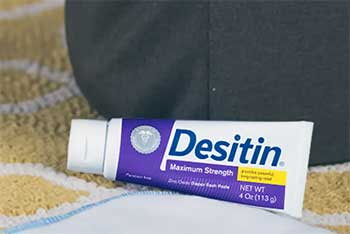
- Less effective for severe rash: When my daughter had serious diaper rash from antibiotics or teething, Desitin Maximum Strength didn’t provide the same level of relief as competing maximum strength formulas. The rash took longer to heal, and I often had to switch products to see improvement. For moderate rashes, it worked reasonably well, but for severe cases, I found myself wishing I’d started with something stronger. This limitation meant keeping multiple brands on hand for different severity levels.
- Shorter tube life: Because of its thinner consistency, I used more product per application compared to thicker pastes. This meant tubes ran out faster, requiring more frequent purchases despite the lower price point. The four-ounce tubes lasted only three to four weeks with daily use, compared to six weeks or more for thicker alternatives. The frequent replacement partially offset the cost savings from the lower price per tube.
- Weaker barrier protection: The thinner formula doesn’t create as robust a moisture barrier as thicker pastes, meaning it breaks down more quickly when exposed to wetness. I noticed I needed to reapply Desitin more frequently throughout the day to maintain protection. During overnight periods or long car rides, the protection wore off faster, sometimes allowing rashes to develop. This reduced durability meant more diaper checks and more applications, which became tedious.
- Inconsistent formula quality: I noticed that different versions and even different batches of the same Desitin formula seemed to vary in consistency and effectiveness. Some tubes were thicker than others, and the scent intensity varied. This inconsistency made it harder to predict exactly what experience I’d have with each new purchase. While the variations weren’t dramatic, they were noticeable enough to be mildly frustrating.
- Can feel greasy: Desitin sometimes left a greasy residue on my hands and on my baby’s skin that felt unpleasant. This greasy feeling attracted lint and debris, making the diaper area look messy. I found myself wiping away excess more carefully than with other creams. The greasiness also made it harder to get a good grip on my baby during diaper changes, creating minor safety concerns when working on an elevated changing table.
Maintenance Tips For Boudreaux’s Butt Paste
- Warm the product before application: Squeeze a small amount onto your fingertips and rub your hands together for a few seconds to warm the paste before applying it to your baby’s skin. This warming makes the thick consistency much easier to spread evenly and feels more comfortable for your baby, especially during colder months. I found that warming also helped the paste go further, meaning I needed less product per application. The improved spreadability reduced the rubbing required, which was gentler on already irritated skin.
- Use strategic application techniques: Apply Boudreaux’s in thin, even layers rather than one thick glob. Multiple thin layers create better coverage and protection than a single thick application. Focus on high-friction areas like the creases where legs meet the body and the lower back where diapers sit. I discovered that patting the cream into skin folds worked better than rubbing, ensuring complete coverage without excess irritation. For prevention, apply a thin layer only to areas most prone to rash rather than covering the entire diaper area.
- Clean thoroughly between applications: Before applying fresh cream, use a soft, damp washcloth to remove old residue completely, paying special attention to skin folds where buildup accumulates. I found that baby oil on a cotton pad helped dissolve stubborn cream remnants more effectively than water alone. Complete removal prevents buildup that could trap moisture and bacteria. Make sure skin is completely dry before applying new cream, as moisture trapped under the barrier can worsen rashes.
- Store properly to maintain consistency: Keep Boudreaux’s at room temperature and avoid exposing it to extreme heat, which can cause the formula to separate or become too runny. I stored our tube in a cool, dry drawer rather than near heat sources or in direct sunlight. Always replace the cap tightly after use to prevent the product from drying out. If the cream does become separated, knead the tube gently to remix the ingredients before use.
- Pair with proper diaper hygiene: Boudreaux’s works best when combined with frequent diaper changes and thorough cleaning. Change diapers every two to three hours during waking periods, and immediately after bowel movements. Allow skin to air dry completely for a few minutes before applying cream whenever possible. I made diaper-free time part of our daily routine, which gave the skin a chance to breathe and enhanced the cream’s effectiveness. Proper hygiene reduces the amount of cream needed and prevents issues the cream alone can’t solve.
- Avoid contamination: Never dip fingers directly into the tube if you’ve touched the diaper area, as this can introduce bacteria. I kept wooden craft sticks near the changing table to scoop out product when needed, or I washed my hands thoroughly before touching the tube opening. Contamination can reduce the cream’s effectiveness and shelf life. Squeeze tubes from the bottom and roll them up as you use the product to maximize every bit of cream.
- Combine with complementary products: Use Boudreaux’s alongside gentle, fragrance-free baby wipes or plain water for cleaning. Harsh wipes can irritate skin and counteract the cream’s benefits. I switched to cloth wipes with warm water during rash periods, which was gentler and more effective. Consider using overnight diapers with higher absorbency to reduce moisture exposure while the cream works. The combination of high-quality diapers and effective cream creates optimal healing conditions.
Read More: My Thoughts on Babyletto Bondi Crib
Maintenance Tips For Desitin
- Apply to completely dry skin: Desitin works best when skin is thoroughly dry before application, so take time to pat the diaper area dry with a soft towel after cleaning. Any moisture trapped under the cream can worsen rashes rather than heal them. I sometimes used a cool-air setting on a hair dryer held at a safe distance to ensure complete dryness, especially in deep skin folds. This extra step made a noticeable difference in how quickly rashes improved.
- Protect fabrics during application: Place an extra cloth or changing pad liner under your baby during application to catch any cream that might smear onto surfaces. Apply Desitin carefully to avoid getting it on clothing, and allow it to dry for a few minutes before dressing your baby. I kept a designated set of clothes for times when we were treating active rashes, accepting that these items might get stained. Pre-treating stained fabrics immediately with dish soap before washing helped minimize permanent discoloration.
- Layer for severe rashes: For stubborn rashes, apply a thin layer of Desitin, allow it to absorb partially, then apply a second thin layer. This layering technique creates better protection than one thick application and uses the product more efficiently. I found that three thin layers throughout the day worked better than two thick applications. The multiple applications also meant checking the diaper area more frequently, allowing me to catch problems early.
- Monitor expiration dates: Desitin’s effectiveness can decrease over time, so check expiration dates and replace old tubes even if they seem fine. I learned this lesson when an old tube didn’t work as well as expected, and I realized it was past its prime. Store tubes in a cool, dry place away from direct sunlight to maximize shelf life. Don’t buy in excessive bulk unless you’re confident you’ll use all the tubes before expiration.
- Adjust frequency based on need: During active rash periods, apply Desitin at every diaper change to maintain consistent protection. For prevention, once or twice daily application is sufficient for most babies. I applied it heavily at bedtime to provide overnight protection, then used minimal amounts during day changes. Monitoring your baby’s skin condition helps you adjust frequency appropriately without overusing or underusing the product.
- Combine with air exposure: Let your baby go diaper-free for periods throughout the day while using Desitin to maximize healing. I placed waterproof pads under my daughter during these air-out sessions, applying a thin layer of cream first. The combination of air circulation and barrier protection accelerated healing significantly. Even 15-minute sessions three times daily made a visible difference in rash resolution time.
- Use appropriate amounts: A thin layer that covers the affected area completely is more effective than thick globs. I used approximately a dime-sized amount for the entire diaper area during preventative application, and quarter-sized amounts for treating active rashes. Using too much cream wastes product and can make it harder for skin to breathe. The goal is complete coverage in a thin film, not a thick mask. Proper portioning makes tubes last longer and improves effectiveness.
Comparison With Other Brands
- A+D Original Diaper Ointment: A+D relies on petrolatum and lanolin rather than zinc oxide as its primary ingredients, creating a different type of barrier protection. I tested A+D during mild rash periods and found it less effective than both Boudreaux’s and Desitin for actual rash healing, though it worked reasonably well for prevention. The texture was much smoother and easier to spread than Boudreaux’s, similar to Desitin in consistency. The price point fell between budget options and premium brands. One advantage was the minimal scent, which was even milder than Boudreaux’s. However, I didn’t see the same rapid improvement for active rashes that I experienced with zinc oxide formulas. The ointment also felt greasier and took longer to absorb. For families dealing with frequent moderate to severe rashes, I wouldn’t recommend A+D as the primary treatment, though it could serve as a preventative option for babies with sensitive skin who don’t respond well to zinc oxide.
- Aquaphor Baby Healing Ointment: Aquaphor takes a different approach with petrolatum-based protection and includes additional skin-conditioning ingredients. The texture is smooth and emollient, spreading as easily as Desitin’s thinner formulas. I used Aquaphor for minor irritation and as a preventative measure, finding it effective for these purposes but not sufficient for treating established moderate rashes. The multipurpose nature meant I could use it for dry patches elsewhere on my baby’s body, adding value. However, when diaper rash progressed beyond mild redness, I needed to switch to zinc oxide products for effective treatment. Aquaphor stained fabrics less than Desitin but more than Boudreaux’s. The price was comparable to Desitin, making it an affordable option. The fragrance-free formula was gentle for sensitive skin. I kept Aquaphor in rotation for everyday prevention and minor irritation, using it alongside zinc oxide creams rather than as a replacement.
- Triple Paste Medicated Ointment: Triple Paste contains 12.8% zinc oxide along with ingredients like corn starch and beeswax, creating a unique formula. The consistency fell between Boudreaux’s thickness and Desitin’s creaminess, spreading more easily than Boudreaux’s but providing more substantial barrier protection than basic Desitin formulas. I found Triple Paste highly effective for moderate rashes, with healing times comparable to Boudreaux’s Maximum Strength. The scent was mild and pleasant, avoiding the medicinal smell of Desitin. However, Triple Paste was the most expensive option I tested, with tubes costing significantly more than both Boudreaux’s and Desitin. Availability was also more limited, requiring trips to specific stores or online ordering. For severe, persistent rashes, the higher cost felt justified by the effectiveness. The cream didn’t stain as badly as Desitin but required thorough removal between applications like Boudreaux’s. I considered Triple Paste a premium option for serious situations rather than an everyday choice.
- Honest Company Diaper Rash Cream: This natural alternative uses non-nano zinc oxide and organic ingredients, appealing to parents seeking cleaner beauty products. The 14% zinc oxide concentration is comparable to Desitin’s regular formula. The cream had a thick consistency similar to Boudreaux’s but with a slightly softer texture that spread more easily. I appreciated the absence of synthetic fragrances and preservatives, and my daughter’s sensitive skin tolerated it well. However, for severe rashes, I didn’t see the same rapid results as with higher-concentration zinc oxide products. The Honest Company cream worked well for mild rashes and prevention, healing minor irritation within a day or two. The price point was higher than both Desitin and Boudreaux’s, positioning it as a premium natural option. Availability was limited to specific retailers and online sources. The subtle natural scent was pleasant without being overpowering. For eco-conscious families dealing with occasional mild rashes, this could be an excellent choice, but I wouldn’t rely on it as the sole solution for frequent or severe diaper rash problems.
- Earth Mama Organic Diaper Balm: This USDA certified organic option uses a 40% non-nano zinc oxide formula with organic herbs and oils. The thick, balm-like consistency required significant effort to spread, even more so than Boudreaux’s original formula. I found the natural lavender and tea tree scent either appealing or overwhelming depending on personal preference. The high zinc oxide concentration made it effective for severe rashes, with healing comparable to other maximum strength formulas. However, the very thick texture made application challenging with an uncooperative baby, and I had to warm it extensively in my hands. The premium price exceeded all other options I tested, and availability was limited to natural food stores and online retailers. The organic certification provided peace of mind about ingredient quality, which mattered for my concerns about what touched my baby’s skin. The balm didn’t stain as much as Desitin but left more residue than most other options. I reserved Earth Mama for severe rashes when I wanted organic assurance, but the application difficulty and high price prevented it from becoming my everyday choice.
Frequently Asked Questions (FAQ)
The most effective diaper rash cream depends on the severity of the rash, but products containing 40% zinc oxide like Boudreaux’s Maximum Strength or Desitin Maximum Strength typically provide the strongest protection and fastest healing for severe cases. For mild to moderate rashes, creams with 13-16% zinc oxide work well.
You should not use Desitin on deep or puncture wounds, animal bites, serious burns, or if your baby shows signs of an allergic reaction like increased redness, rash, or irritation after application. Also avoid using it if the diaper rash doesn’t improve after seven days of treatment, as this may indicate a yeast infection requiring different treatment.
Products similar to Desitin include Boudreaux’s Butt Paste, Triple Paste, A+D Original Diaper Ointment, and various store-brand zinc oxide creams. These alternatives also use zinc oxide as the active ingredient and create moisture barriers to protect and heal irritated skin, though they differ in concentration, texture, and additional ingredients.
Conclusion
After months of real-world testing with both products, I can tell you that choosing between Boudreaux’s Butt Paste and Desitin isn’t about finding one absolute winner. Your choice should depend on your specific needs, budget, and the severity of diaper rash you’re typically facing.
If you’re dealing with frequent moderate to severe rashes, Boudreaux’s superior barrier protection and higher zinc oxide options make it worth the extra investment. The thick consistency that makes application slightly more challenging is the same feature that keeps it working longer and protecting better. I found myself reaching for Boudreaux’s whenever prevention was critical or when a rash had already established itself.
Desitin, on the other hand, offers excellent value for everyday use and mild rashes. The ease of application, widespread availability, and lower price point make it practical for daily prevention and quick treatment of minor irritation. You’ll find it easier to use during rushed or nighttime changes, and the cost savings add up when you’re going through tubes regularly.
In my experience, keeping both products on hand proved most effective. I used Desitin Daily Defense for everyday prevention and mild issues, then switched to Boudreaux’s Maximum Strength when faced with stubborn or severe rashes. This combination approach gave me the benefits of both products without forcing me to choose just one.
Consider your baby’s specific skin sensitivity, how severe their rashes typically become, your budget constraints, and how much you value ease of application versus maximum protection. You might find, as I did, that the “better” cream changes depending on the situation you’re facing at any given moment. Trust your instincts, watch how your baby’s skin responds, and don’t hesitate to switch products if what you’re using isn’t delivering the results you need.