
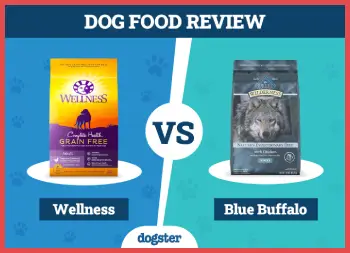
I’ve been tweaking my dogs’ food for more than ten years—always watching coat shine, energy on walks, stool quality, weight stability, and vet bloodwork like it’s my second job. When I ran Blue Buffalo against Wellness side by side, I wanted the straight truth: which one actually produces better everyday results for middle-aged, active dogs with occasional skin or tummy quirks?
My main goal here is to share my real experiences with both brands, lay out the honest pros and cons, and give you a clear picture so you can choose the one most likely to keep your own dog looking great and feeling strong based on what I’ve seen in real life rather than ads.
A Brief Comparison Table
| Feature | Blue Buffalo | Wellness |
| First Ingredient Focus | Real meat (deboned chicken, beef, salmon) | Real meat (deboned chicken, turkey, salmon) |
| Protein Content (typical dry) | 24-35% (higher in Wilderness line) | 26-38% (higher in Core line) |
| Grain Options | Grain-inclusive (Life Protection) + grain-free (Wilderness) | Grain-inclusive (Complete Health) + grain-free (Core) |
| Unique Features | LifeSource Bits (cold-formed antioxidants) | Digestive Health blend; probiotics; Core high-protein focus |
| Price Range (per lb, approx.) | Premium, mid-to-high | Premium, often slightly higher |
| Recall History | Multiple (vitamin D excess, mold, salmonella) | Fewer; some canned/wet issues but cleaner kibble record |
| Vet Perception | Mixed; some avoid due to recalls & grain-free links | Generally positive; often recommended |
| Best For | Dogs that love the taste + variety seekers | Dogs needing strong digestion or high-protein needs |
My Experience With Blue Buffalo
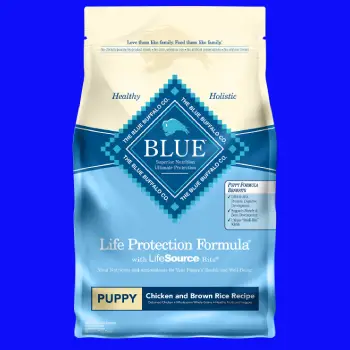
I started my Lab mix on Blue Buffalo Life Protection Formula Chicken & Brown Rice in early 2025 because he was shedding heavily and his coat looked flat despite regular brushing.
The bag opened with a pleasant roasted-chicken smell—not overpowering but enough to make him sit politely staring while I scooped.
He dove into the bowl with immediate enthusiasm, crunching loudly and finishing every last piece.
Within ten days his coat started to regain some gloss; black fur caught light better during our evening walks and shedding slowed to a light dusting on furniture.
I transitioned slowly over ten days—no diarrhea, no gas, no refusal. The LifeSource Bits (those little dark pellets) were interesting—he sometimes nosed them out first but eventually ate everything.
Energy on weekend hikes stayed steady; no mid-trail slowdowns or excessive panting. My senior rescue, who had mild joint creakiness, moved a bit more comfortably after three weeks.
For my younger dog with occasional ear redness, the Basics Limited Ingredient Turkey formula calmed things quickly—no flare-ups returned while on it. I rotated Life Protection, Wilderness (grain-free high-protein), and Basics every month or two; interest stayed high with very few refusals.
Kibble size worked well for both medium and large dogs—no gulping issues or scattered leftovers. Vet visits showed good weight control, solid blood panels, and no major red flags.
Bags stored in a sealed bin in the pantry stayed fresh through humid months. The price felt reasonable for a premium brand—cheaper than some ultra-high-end options but still an investment for two large dogs.
The widespread availability in stores made re-buying easy. Past recalls crossed my mind occasionally, but recent batches felt consistent.
When I briefly switched to test another brand, both dogs’ stools loosened noticeably within days, reminding me how well Blue Buffalo suited their digestion overall. My senior stayed regular with minimal bloating.
Picky phases were rare—the aroma usually pulled them straight to the bowl. LifeSource Bits added a little extra excitement to meals.
After more than a year rotating lines, Blue Buffalo proved reliable, palatable, and produced visible coat and energy improvements without major drama.
Read more: Comparison Between Merrick And Orijen
My Experience With Wellness
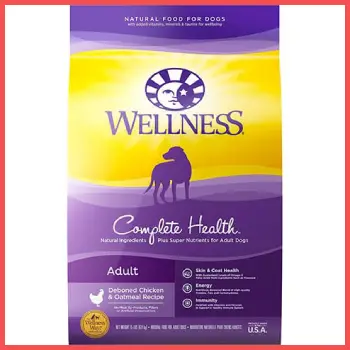
I introduced Wellness Complete Health Adult Chicken & Oatmeal in mid-2025 after reading about the digestive-health focus and wanting to compare it directly to Blue Buffalo.
The bag had a milder, clean meat-and-grain scent that still got both dogs sitting alertly as I measured portions.
They ate eagerly, chewing deliberately because the kibble felt slightly denser and less crumbly.
Coat shine appeared within the first week; fur felt softer and looked healthier under kitchen lights.
Shedding remained light even during seasonal changes—previously I’d be sweeping fur daily, but on Wellness it was once every ten days or so. Transition over seven days was smooth with no digestive upset.
The added digestive-support blend (probiotics, prebiotics, chicory root) really showed; stools were consistently small, firm, and low-odor from day one. Energy on hikes stayed even—no crashes, no dragging.
My older dog’s joint mobility held steady; he climbed stairs with less hesitation. For the allergy-prone dog, the Core Grain-Free Ocean (salmon & whitefish) kept skin calm and ears clear.
I rotated Complete Health, Core (high-protein grain-free), and Simple Limited Ingredient every four to six weeks—interest never dropped; bowls were licked clean every time. Kibble sizing suited both dogs perfectly.
Vet checkups showed excellent weight maintenance, strong bloodwork, and no concerns despite higher protein in Core. Bags stored in a cool pantry corner remained fresh.
The price was a touch higher than Blue Buffalo but felt justified by the digestion consistency and coat quality. Clean ingredient lists without vague terms gave me extra peace of mind.
Short side-by-side tests against Blue Buffalo showed slightly firmer, smaller stools and marginally better skin condition on Wellness. My senior handled richer Core recipes without gas or loose movements.
The fresh-meat-forward aroma drew them instantly every feeding. Overall, Wellness delivered steady, reliable results—especially strong on digestion and coat maintenance.
Pros Of Blue Buffalo
- LifeSource Bits: Cold-formed antioxidant blend preserves vitamins, minerals, and immune-supporting nutrients better than standard kibble fortification. Dogs often pick them out first but eventually eat everything. The bits add meaningful immune and overall wellness support. Coat condition and energy feel steadier over time. The feature makes meals more nutritionally complete without synthetic overload.
- Wide variety of lines: Life Protection (grain-inclusive everyday), Wilderness (high-protein grain-free), Basics (limited-ingredient), and more cover puppies, seniors, weight management, small breeds, and sensitivities. Rotation keeps interest high. Specific needs (allergies, joints, digestion) have targeted formulas. The range adapts to life-stage changes easily. Owners find matching options quickly.
- Real meat first: Deboned chicken, beef, salmon, or turkey leads most recipes, providing strong animal-protein foundation for muscle maintenance and energy. Amino acids deliver readily. Palatability starts high. Digestion handles it well in most dogs. The focus builds trust in nutrition quality.
- No cheap fillers: Core lines exclude corn, wheat, soy, and by-products, prioritizing cleaner nutrition. Digestive irritation from fillers stays minimal. Nutrient density improves. Health outcomes enhance. The commitment shows in coat and stool quality.
- Highly palatable: Most dogs devour Blue Buffalo enthusiastically from the first bowl thanks to appealing flavors and textures. Mealtime excitement persists. Refusals are rare. Routines stay smooth. Satisfaction levels remain elevated.
Pros Of Wellness
- Strong digestive support: Probiotics, prebiotics, chicory root, and digestive enzymes in many formulas promote healthy gut flora and efficient nutrient absorption. Stools become small, firm, low-odor quickly. Bloating and gas decrease noticeably. Regularity improves long-term. Immunity benefits indirectly through gut health.
- High-protein Core line: Wellness Core reaches 38%+ protein in grain-free recipes, supporting lean muscle, stamina, and recovery in active dogs. Animal sources dominate. Muscle tone sharpens. Energy sustains longer. The line suits performance-oriented pets well.
- Limited-ingredient Simple line: Single-protein + minimal carbs help manage allergies and sensitivities effectively. Symptom relief arrives faster. Diets stabilize readily. Rotation simplifies. Predictability rises for sensitive dogs.
- Grain-inclusive options: Complete Health includes wholesome grains (oats, barley) that align with current veterinary heart-health recommendations. Taurine and nutrient balance stay supported. Energy from complex carbs sustains activity. Digestion adapts smoothly for non-sensitive dogs.
- Clean, transparent labels: No artificial colors, flavors, or preservatives; recognizable whole-food ingredients throughout. Labels inspire confidence. Trust builds steadily. The approach feels genuine and thoughtful.
Also read: Comparison Of Merrick And Acana
Cons Of Blue Buffalo
- Multiple past recalls: History includes vitamin D excess, mold, salmonella, and other incidents over the years, raising questions about consistent quality control despite resolutions. The record lingers in vet and owner conversations. Trust takes time to rebuild for some. Safety vigilance remains higher.
- Vet caution in some circles: Certain veterinarians hesitate to recommend Blue Buffalo due to recall history and grain-free lines’ association with FDA DCM investigations (though causation unproven for the brand). Endorsements vary widely. The caution influences choices for risk-averse owners.
- LifeSource Bits sorting: Picky dogs sometimes pick out the antioxidant bits and leave kibble behind, reducing full nutrient intake. Behavior frustrates some owners. Waste occurs. Consumption becomes incomplete. Adjustments or crushing bits become necessary.
Cons Of Wellness
- Higher average price: Often costs more per pound than Blue Buffalo and similar mid-tier premiums, straining budgets for multi-dog homes or larger breeds over months. The expense feels significant at checkout. Value perception depends on priorities. Long-term costs add up.
- Grain-free Core scrutiny: Core line remains grain-free, prompting vet caution amid ongoing FDA grain-free/DCM discussions (no direct causation proven for Wellness). Owners of predisposed breeds may hesitate. Heart monitoring becomes prudent for some.
- Smaller kibble in some formulas: Certain recipes have smaller pieces that lead to faster eating without slow feeders, potentially increasing bloat risk in gulpers. Behavior adjustments help. Size suits small breeds better. Monitoring prevents issues.
Maintenance Tips For Blue Buffalo
- Store sealed in cool, dry pantry: Keep bags away from heat, light, and humidity to maintain LifeSource Bits potency and kibble crispness. Transfer to airtight containers after opening to block moisture and oxidation. Regular checks prevent mold or staleness. Proper storage preserves antioxidants and flavor. This habit maximizes nutritional value.
- Weigh portions precisely: Use a digital scale daily because calorie-dense lines can cause gradual weight gain if scoops overestimate. Adjust based on activity, age, and body condition score. Precision supports weight control. The routine eliminates variability.
- Transition slowly 7-10 days: Mix increasing amounts with previous food over at least seven days to prevent diarrhea or gas from fiber or protein changes. Monitor stool and appetite closely. Gradual approach minimizes upset. Patience yields smooth acceptance.
- Monitor stool and energy daily: Firm, small stools indicate good absorption; changes signal portion or formula tweaks. Consistent energy confirms balance. Daily observation provides immediate feedback. The habit catches issues early.
- Provide constant fresh water: Protein and antioxidant content increase thirst; unlimited fresh water supports kidney function and hydration. Refresh bowls often. The habit prevents dehydration and aids digestion.
Maintenance Tips For Wellness
- Keep bags in low-humidity storage: Store sealed in cool, dark pantry to protect probiotics and fats from degradation. Use airtight containers post-opening to prevent clumping or mold. Regular freshness checks ensure quality. Proper storage preserves digestive-support ingredients.
- Measure accurately with scale: Weigh meals daily to avoid overfeeding high-protein Core recipes that pack calories tightly. Adjust for activity and monthly body condition. Precision supports weight management. The practice promotes steady health.
- Introduce gradually over week: Blend increasing Wellness amounts with old food over 7+ days to allow gut adjustment to probiotics and protein levels. Monitor digestion closely. Slow transition minimizes upset. Patience ensures smooth shift.
- Observe digestion daily: Small, firm, low-odor stools signal effective probiotic action; changes prompt adjustments. Consistent energy validates balance. Daily tracking confirms suitability. The habit keeps nutrition aligned.
- Ensure ample fresh water: Higher protein increases thirst; constant fresh water supports kidneys and hydration. Refresh multiple times daily. The habit aids nutrient utilization and overall wellness.
Comparison With Other Brands
- Purina Pro Plan Purina Pro Plan leads with extensive AAFCO feeding trials and broad veterinary endorsements for proven long-term safety and balance that Blue Buffalo and Wellness lack in published data. My dogs showed glossier coats and steadier energy on both Blue Buffalo and Wellness thanks to real-meat-first, no-filler recipes compared to some Purina formulas with more grains or by-products. Purina offers lower cost and wider availability. The science-backed reliability appeals to risk-averse owners. For general feeding without sensitivities, Purina delivers dependable results. Many vets favor it for evidence-based confidence.
- Merrick Merrick offers higher protein peaks (30-38%) and freeze-dried raw bits that boost palatability and muscle support more noticeably than most Blue Buffalo or Wellness lines in my trials. Wellness edges Merrick slightly on digestive consistency, while Blue Buffalo wins on variety and accessibility. Merrick’s recent safety record feels stronger than Blue Buffalo’s. All three prioritize real meat without cheap fillers. Merrick stands out for active dogs needing raw appeal. The choice often comes down to protein density versus digestion focus.
- Taste of the Wild Taste of the Wild matches Wellness and Blue Buffalo in real-meat-first, grain-free (or ancient-grain) options at a lower price point, making it attractive for budget-conscious owners. Wellness provides stronger probiotic/digestive support, while Blue Buffalo offers more targeted lines. Taste of the Wild’s past recalls contrast with Wellness’s cleaner kibble record. My dogs showed similar coat shine and energy across all three, with Wellness winning on stool quality. Value and novel proteins favor Taste of the Wild.
- Acana Acana delivers WholePrey fresh/raw emphasis similar to Orijen but at a lower cost than both Blue Buffalo and Wellness, with strong traceability and high animal content. Wellness excels on digestion, Blue Buffalo on variety. Acana produces firmer stools and denser muscle in my side-by-sides. No recalls build exceptional trust. The choice depends on budget versus digestive or variety priorities.
Frequently Asked Questions (FAQ)
It depends on your dog. Wellness often edges out for me with superior digestive consistency, probiotic support, and cleaner recent safety record. Blue Buffalo wins on variety, palatability, and LifeSource Bits for immune perks. Both deliver real meat first and no cheap fillers. Test small bags to see coat, energy, and stool response. Your vet’s input based on breed and health tailors the choice.
Yes, many veterinarians recommend Wellness, especially the Complete Health grain-inclusive lines and Simple limited-ingredient formulas, citing clean ingredients, probiotic inclusion, and good digestibility. Core high-protein options get praise for active dogs. Some caution remains on grain-free Core amid DCM discussions, but overall reputation is positive.
Comparable brands include Merrick (similar protein and variety), Blue Buffalo (real-meat focus and lines), Taste of the Wild (novel proteins and value), and Acana (high animal content). Wellness stands out for digestive support and clean labels. Merrick adds raw bits, Blue Buffalo more variety, Taste of the Wild lower cost.
No single #1 exists—it depends on your dog’s needs—but vets often favor brands with AAFCO feeding trials like Purina Pro Plan, Royal Canin, or Hill’s Science Diet for proven safety and balance. Among premium real-meat options, Wellness, Merrick, Acana, and Orijen rank highly for visible energy, coat, and digestion results. The healthiest matches your dog under vet guidance.
Conclusion
I’ve fed a lot of premium foods over the years, and both Blue Buffalo and Wellness consistently deliver solid, visible benefits that keep my dogs shiny, energetic, and comfortable. You know your pup’s personality, coat condition, and any sensitivities best—so trust your eyes and your vet, try small bags of each, watch closely for a few weeks, and choose what makes their tail wag hardest. You’ll feel the difference in every walk and cuddle.