
For motorcycle enthusiasts, the eternal struggle isn’t usually fixing the bike—it’s getting the bike to the trail or track. You have likely considered buying a trailer, but the thought of registering, storing, and maneuvering a bulky trailer through traffic is enough to kill the mood. This is where hitch-mounted carriers come in, and one name you will see pop up constantly is Black Widow. They promise a heavy-duty, convenient solution that lets you haul your ride without the headache of towing.
In this review, I am going to put the Black Widow Motorcycle Carrier to the test. We will look at how easy it is to assemble, the terrifying (or not) reality of loading a bike solo, and how it handles highway speeds. I will compare it to the budget options and the premium heavyweights to see where it stands. By the end of this guide, you will know if this carrier is the freedom ticket you need or just a heavy piece of metal that will collect dust in your garage.
My Experience With Black Widow Motorcycle Carrier
I bought the Black Widow AMC-400, their popular aluminum model, because I needed a way to transport my dual-sport bike to the mountains without borrowing my neighbor’s trailer every weekend. The box arrived looking like it had gone a few rounds in a boxing ring, which is typical for heavy metal shipping, but all the parts were intact. Assembly took me about 45 minutes with a socket set. It wasn’t rocket science, but there were a lot of bolts to tighten, and I made sure to use some Loctite just to be safe, as vibration is the enemy of these things.
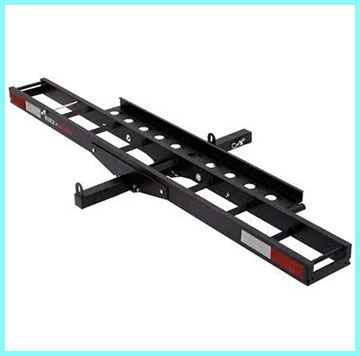
Installing it onto my SUV’s hitch was surprisingly easy due to the aluminum construction.
It is light enough that I could lift it and slide it into the receiver without throwing out my back—something I cannot say for the steel versions I have tried in the past.
The included anti-rattle device was a simple collar that tightens down the hitch pin, and once I cranked it down, the carrier felt rock solid.
There was zero play or wiggle when I shook it by hand.
The real test, however, was loading the bike.
I am not going to lie; the first time you push a 300-pound motorcycle up a narrow ramp three feet in the air, your heart rate spikes. The ramp provided with the Black Widow is decent, but on my lifted SUV, the angle was steep. I had to get a running start and really commit to the push. Once the bike was in the channel, though, it settled nicely. The wheel chock at the front is basic—it’s just a gap the tire falls into—but it held the bike upright enough for me to grab my tie-down straps.
Driving with it was a different experience than towing. You definitely feel the extra weight hanging off the back of the vehicle. Over speed bumps and potholes, there was a bit of movement. I could see the handlebars swaying slightly in my rearview mirror, which induced some mild panic at first. I pulled over twice in the first 20 miles just to check the straps. But the carrier held firm. The anti-rattle device did its job; there was no clanking or banging noises that usually drive you crazy on long trips.
Unloading was actually scarier than loading because you have to modulate the brake while walking the bike backward down the ramp. I learned quickly that having a spotter is invaluable. After a few trips, I got the hang of the physics of it. The carrier itself held up well to the abuse of muddy tires and highway grit. It didn’t bend or warp, even after hitting a particularly nasty dip on a fire road.
Ultimately, my experience was positive, but it came with a learning curve. It is a fantastic tool for solo riders with lighter bikes (dirt bikes, scooters, light cruisers), but it demands respect. You have to be diligent about your strap work and comfortable with the physical effort of loading. It freed me from the “trailer speed limit” and allowed me to park in normal spots, which is a luxury I didn’t know I missed until I had it.
Read More: My Thoughts On Wild Bird Aerial Carrier
Pros Of Black Widow Motorcycle Carrier
When you weigh the benefits of this system against trailers or putting the bike in a truck bed, the Black Widow shines in several specific areas. It is designed for convenience and practicality. Here is a detailed look at why this carrier is a favorite among weekend warriors.
- Significant Cost Savings Over Trailers: The most obvious advantage is the price tag. A decent motorcycle trailer can cost anywhere from $1,000 to $3,000, not including the cost of registration, insurance, and maintenance like tires and wheel bearings. The Black Widow carrier comes in at a fraction of that cost, usually under a few hundred dollars. For a casual rider who only transports their bike once or twice a month, the return on investment is immediate. You are getting 90% of the utility of a trailer for 10% of the price. It is a financial no-brainer for anyone on a budget who wants to get their bike to the track or trail without breaking the bank.
- Ease of Storage and Portability: One of the biggest headaches with owning a trailer is figuring out where to put it when you aren’t using it. If you live in an HOA neighborhood or an apartment, parking a trailer might be impossible. The Black Widow carrier solves this problem brilliantly. When you are done for the day, you simply pull the hitch pin, slide the carrier off, and lean it against the wall in your garage or slide it under a workbench. It takes up virtually no floor space. The aluminum models are light enough to be carried by one person, meaning you don’t need a team of movers to get your hauling gear ready.
- No “Towing” Driving Restrictions: Driving with a trailer changes everything about how you drive. You can’t use the fast lane in many states, you can’t reverse easily, and parking is a nightmare. With the Black Widow carrier, your vehicle’s footprint remains roughly the same (just a bit longer). You can still pull into standard parking spots at gas stations or restaurants. You can reverse your car without jackknifing. You can drive at normal highway speeds without the trailer sway that white-knuckles many drivers. It preserves the agility of your vehicle, allowing you to access remote trailheads that a trailer setup might not be able to reach.
- Robust Anti-Rattle Technology: A loose hitch connection is the enemy of any carrier; it causes the bike to jerk around and damages the vehicle’s receiver. Black Widow includes a dedicated anti-rattle device with almost all their carriers. This bracket bolts over the hitch collar and the receiver, locking them together rigidly. This eliminates the terrifying “clunking” sound every time you accelerate or brake. It creates a unified structure between your car and the carrier, which significantly reduces the stress on the motorcycle’s suspension and your tie-down straps. This small inclusion makes a massive difference in ride quality and safety.
Cons Of Black Widow Motorcycle Carrier
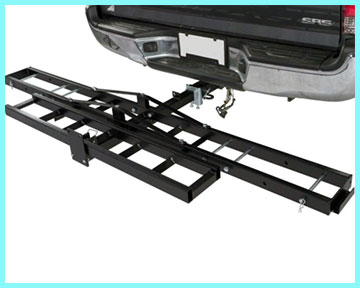
While it is a convenient tool, it is not a magic solution. There are physical limitations and safety concerns that come with hanging 400 pounds off your back bumper. You need to be aware of these downsides before you buy.
- High Physical Effort for Loading: Unlike a low-riding trailer with a long ramp, the Black Widow carrier sits at the height of your vehicle’s hitch. On SUVs and trucks, this can be quite high off the ground, creating a steep ramp angle. Pushing a dead weight motorcycle up a 45-degree incline requires significant strength and momentum. If you stall halfway up, it can be dangerous, as the bike might tip over on top of you. For shorter riders or those with heavy bikes, loading solo can be nearly impossible without assistance. You have to be confident in your ability to manhandle your machine, or you risk dropping it off the side of the narrow track.
- Vehicle Suspension Limitations: Just because the carrier can hold 400 or 600 pounds doesn’t mean your car can. This is a “tongue weight” issue. The weight of the bike plus the carrier pushes down on the rear axle of your vehicle, which can cause the front end to lift, reducing steering traction and blinding oncoming traffic with your headlights. You need a vehicle with a robust suspension, like a truck or a large SUV. Putting this on a small crossover or sedan is often unsafe and can damage the vehicle’s frame or suspension components. You are limited by your vehicle’s hitch class rating (usually Class III or IV is required), not just the carrier’s limit.
- Obscuring License Plate and Lights: Once you load a motorcycle onto the back of your car, you are effectively creating a wall. The bike’s wheels and engine often block your vehicle’s taillights, turn signals, and license plate. This can be a legal issue and a safety hazard, as drivers behind you might not see your brake lights. While you can buy auxiliary light kits, they are an extra expense and hassle to wire up. Getting pulled over for an obstructed plate is a real possibility depending on how strict the police are in your area. You have to be mindful of visibility every time you load up.
- Requires Precise Tie-Down Skills: On a trailer, you have a wide base and plenty of room for error. On a hitch carrier, the bike is balanced on a single rail. If your straps come loose, the bike falls off—there is no safety net. The Black Widow relies entirely on the tension of your ratchet straps to keep the bike upright. You cannot use cheap, frayed straps; you need high-quality gear. Furthermore, because the tie-down points are close to the bike (narrow geometry), the leverage isn’t as good as on a trailer, meaning you have to compress the forks significantly to get a stable hold.
Maintenance Tips For Black Widow Motorcycle Carrier

To keep your carrier safe and ensure it doesn’t fail while you are doing 70 mph down the freeway, you need to perform regular maintenance. It is a piece of load-bearing equipment that takes a beating.
- Inspect Hardware Before Every Trip: The vibrations from the road can loosen even the tightest bolts over time. Before you load your bike, you should do a “nut and bolt check” on the entire assembly. Pay special attention to the main bolts that hold the track to the main support tube. If these loosen, the carrier can tilt or even detach. Keep a set of wrenches in your car door specifically for this purpose. Replacing the standard nuts with nylon lock nuts (if not already included) is a cheap upgrade that provides extra security against vibration-induced loosening.
- Rust Prevention and Treatment: While aluminum models are resistant to rust, the hardware (bolts, pins) and the main steel hitch tube are not. If you leave the carrier on your vehicle through rain or winter salt, it will start to corrode. You should spray the steel components with a rust inhibitor or a protective coating like Fluid Film periodically. If you see orange spots appearing, sand them down and hit them with some Rust-Oleum paint immediately. Corrosion compromises the structural integrity of the steel, and a rusted weld is a failure waiting to happen. Store the carrier indoors when not in use to prolong its life.
- Lubricate Ramp Hinges and Moving Parts: The loading ramp typically attaches to the carrier or folds up. These hinge points can get jammed with road grit, mud, and sand. If they seize up, getting the ramp on and off becomes a wrestling match. Clean the hinges with a degreaser and apply a dry lubricant (like a PTFE spray) regularly. Avoid heavy grease, as it attracts more dirt. Keeping the ramp mechanism smooth ensures that you aren’t fighting your equipment when you are tired after a long day of riding.
- Check Tie-Down Loops for Stress Cracks: The loops where you hook your ratchet straps take the brunt of the force. Over time, the constant pulling and jerking of the bike can cause metal fatigue or bending in these loops. Inspect the welds around the tie-down points closely for any hairline cracks. If a tie-down loop bends significantly, do not try to bend it back, as this weakens the metal further. Contact the manufacturer for a replacement part or have a professional welder reinforce it. Your entire load depends on these small loops holding fast.
Comparison with Other Brands
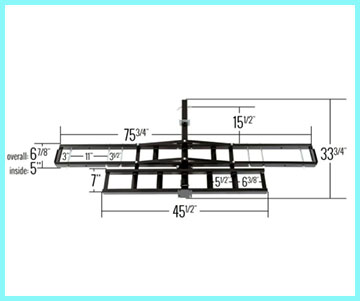
Black Widow is a strong mid-range contender, but how does it fare against the budget bins and the top-shelf engineering? Here is a breakdown of the competition.
- MotoTote MTX Sport: MotoTote is often considered the “Cadillac” of hitch carriers. Comparison: MotoTote uses a single steel beam design that is incredibly stiff and features a more advanced “Zero Wobble” bolt system than Black Widow. MotoTote’s wheel chock is adjustable and creates a much more stable hold on the front tire, allowing the bike to stand up on its own while you grab straps. However, MotoTote is significantly more expensive, often double the price of a standard Black Widow. Black Widow offers aluminum options which are lighter to handle; MotoTote is heavy steel. If you have a heavy sportbike and money is no object, MotoTote offers better stability. If you want a lightweight carrier for a dirt bike, Black Widow is easier to live with.
- Harbor Freight / Haul-Master: This is the budget king, often found for under $150 with a coupon. Comparison: The Haul-Master carrier is made of cheaper, heavier steel and the finish quality is poor (rusts quickly). The ramp on the Harbor Freight model is notoriously short and flimsy, making loading even harder. Black Widow’s build quality is noticeably better; the welds are cleaner, the aluminum is nicer, and the anti-rattle device is superior. Harbor Freight is fine for a beater dirt bike you transport once a year. For regular use, the step up in quality to Black Widow is worth the extra $100 for the peace of mind and the better ramp.
- VersaHaul: VersaHaul is known for their heavy-duty, over-engineered steel carriers. Comparison: VersaHaul offers unique configurations, such as carriers that can hold two motorcycles at once or a carrier with a hitch extension to tow a trailer behind it. Black Widow generally focuses on single bike carriers. VersaHaul is extremely heavy; putting the carrier itself on the car is a two-person job. Black Widow wins on user-friendliness and weight. VersaHaul wins on raw capacity and versatility for complex towing setups. If you need to carry two scooters or a heavy street bike, VersaHaul’s steel platform is more confidence-inspiring, but Black Widow is better for the solo dirt biker.
Also Read: My Thoughts On Kanati Trail Hog
Frequently Asked Questions (FAQ)
Most Black Widow carriers have a weight capacity ranging from 400 lbs (for the aluminum AMC-400) to 600 lbs (for the heavy-duty steel SMC-600). However, the real limit is your vehicle’s tongue weight capacity. You must check your car’s owner’s manual; even if the carrier can hold 600 lbs, if your hitch is only rated for 350 lbs, you will damage your car.
Yes, it is designed for one person, but it requires practice and strength. The ramp can be steep, so you need momentum to push the bike up. Many users recommend having a spotter for the first few tries until you get the technique down. Using a small step stool to step up onto the carrier alongside the bike can make the process much safer and easier.
Yes, they are legal, but they must not obscure your vehicle’s safety features. If the bike blocks your taillights or license plate, you can be ticketed. It is highly recommended to buy a magnetic auxiliary light kit and move your license plate to a visible spot on the carrier to stay fully compliant with the law.
All hitch accessories have some inherent movement, but Black Widow carriers come with an anti-rattle device (a hitch stabilizer) that eliminates most of the play. If installed correctly, the wobble should be minimal. If you still experience severe wobbling, check that your hitch receiver isn’t worn out or that the anti-rattle bolts haven’t loosened during the drive.
Conclusion
The Black Widow Motorcycle Carrier is a liberating piece of equipment for the rider who wants to explore new roads without the burden of a trailer. It strikes an excellent balance between affordability, quality, and portability. While it requires a bit of physical effort to use and a vehicle capable of handling the weight, the freedom it provides is unmatched. It transforms your SUV or truck into a bike-hauling machine in minutes.
If you are tired of riding your dirt bike on the pavement to get to the trails, or if you want to take your scooter on your next camping trip, this carrier is a solid investment. It is durable enough to last for years and pays for itself in saved trailer registration fees. Just make sure you strap it down tight, check your bolts, and enjoy the ride.