
If you have been endlessly scrolling through Pinterest looking for that perfect farmhouse-meet-modern aesthetic without draining your savings account, you have almost certainly stumbled upon Birch Lane.
They promise that high-end, catalog-perfect look—think Pottery Barn or Restoration Hardware—but at a price point that feels a lot more reasonable. But is it actually too good to be true? After months of debating, I finally pulled the trigger on a centerpiece chandelier for my dining room to answer that very question.
The short answer is yes, they are generally worth it, provided you are willing to put in a little elbow grease during assembly. For the best selection and safest return policy, you should buy these products directly through the Birch Lane website or their parent company, Wayfair. Buying direct ensures you get the specific customer service protections that third-party sellers can’t always guarantee.
My Experience With Birch Lane Chandeliers
I remember staring at the empty electrical box in my dining room ceiling for three weeks, paralyzed by indecision.
I wanted something that screamed “quiet luxury”—an iron fixture with just enough rustic charm to feel cozy, but elegant enough to host a formal dinner.
I had my eye on a few fixtures at high-end retailers, but spending upwards of $800 just wasn’t in the cards for a single light.
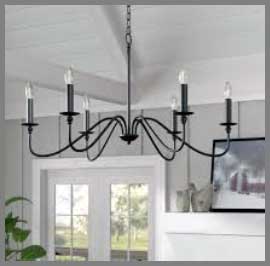
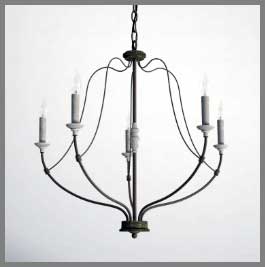
That is when I found the “Shoshanna” style chandelier on Birch Lane.
It had that sweeping, French-country silhouette I was craving, and the price was sitting comfortably under $300 during a sale.
The ordering process was seamless, almost dangerously easy. I clicked purchase, and the confirmation email hit my inbox before I could second-guess the finish choice. The shipping was surprisingly fast; the box arrived at my doorstep in three days, which is impressive given the size of the carton.
However, my excitement hit a speed bump the moment I sliced the tape open. If you are expecting a fully formed chandelier to lift out of the box like a scene from a movie, you are in for a reality check.
The fixture was essentially flat-packed. The “arms” of the chandelier were folded in against the central column to save space, and the amount of Styrofoam confetti that exploded into my hallway was legendary. I spent the first twenty minutes just vacuuming up white pellets before I could even find the instructions.
The assembly was not difficult, but it was tedious. I had to manually unfold the arms and ensure they were spaced evenly. The trickiest part was threading the long wire through the chain. The chain links were heavy and sturdy—a pleasant surprise regarding quality—but weaving the wire through every third link while trying not to scratch the finish took patience. I highly recommend having a second pair of hands for this. I tried to do it solo on a ladder, balancing the fixture on my shoulder while wiring it into the junction box, and my shoulders were burning by the time I got the canopy screwed in.
Once it was up, however, the frustration vanished. I screwed in the candelabra bulbs, flipped the switch, and the transformation was instant. The metal finish, which I feared might look like painted plastic, actually had a lovely, textured depth to it that mimicked aged iron perfectly.
It cast a warm, inviting glow that completely changed the mood of the room. It didn’t look like a budget find; it looked like a piece I had curated from an antique shop. Despite the Styrofoam snowstorm and the shoulder workout, the final result was undeniably beautiful and felt sturdy enough to last for years.
Also read: My Thoughts on Libiyi Cooling Ace
Pros Of Birch Lane Chandeliers
- High-End Aesthetics For A Mid-Range Budget: This is arguably the biggest selling point for Birch Lane. When you unbox the product and finally get it hanging, it does not look “cheap.” I have seen budget lighting from big-box hardware stores that looks shiny, plastic-like, and flimsy. Birch Lane chandeliers manage to capture the matte finishes, the distressed wood tones, and the elegant curves that you typically find in designer showrooms. They excel at the “Farmhouse” and “Traditional” styles. If you are trying to replicate a look you saw in a high-end design magazine, Birch Lane gets you 90% of the way there for about 40% of the cost. The visual impact per dollar spent is incredibly high.
- Massive Variety Of Sizes And Styles: One issue I often run into with boutique lighting stores is a lack of options. You might find a style you love, but it is too small for your vaulted living room or too big for your breakfast nook. Birch Lane offers a staggering depth of inventory. For almost every popular design, they offer a 3-light, 5-light, 9-light, or even a two-tier 15-light version. This allowed me to actually coordinate the lighting throughout my downstairs area without it looking too “matchy-matchy.” I could buy the grand chandelier for the dining table and the matching, smaller pendants for the kitchen island, ensuring a cohesive design language across the open-concept space.
- Dimmable And Adjustable Features: Functionality is just as important as form, and I was pleased to find that nearly all their chandeliers are compatible with dimmer switches. This is crucial for dining spaces where you want bright light for homework or cleaning, but moody, ambient light for dinner parties. Furthermore, the hanging chains and cords provided are usually very generous in length. My ceilings are standard height, so I had to remove a lot of links, but if you have twelve-foot ceilings or a foyer with a massive drop, you will appreciate that they don’t skimp on the chain length. The adaptability of the fixtures makes them suitable for a wide range of home ages and architectural styles.
- Shipping Speed And Reliability: Because Birch Lane is part of the Wayfair family, their logistics network is a beast. You aren’t waiting six to eight weeks for a custom order to ship from a warehouse in Europe. In most cases, these items are in stock and ready to ship immediately. For anyone operating on a tight renovation timeline—say, you have contractors finishing a room next week or you are hosting a holiday dinner—this reliability is a huge “pro.” The tracking is granular, letting you know exactly when the package is out for delivery, which helps in planning your installation day.
Cons Of Birch Lane Chandeliers
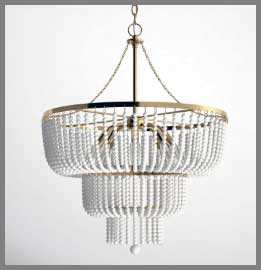
- Assembly Can Be Labor Intensive: As I touched on in my experience, you are not paying for the white-glove assembly service you might get with luxury brands. You are the assembly service. Depending on the complexity of the chandelier, you might need to attach crystals individually, thread wires through long stems, or bend metal arms into place. On some of their beaded chandeliers, you have to hang every single strand of beads yourself. It can take anywhere from thirty minutes to three hours to get a fixture ready to hang. If you are not handy or if you have mobility issues, you will likely need to hire a handyman or an electrician to handle the assembly and installation, which is a hidden cost you should factor into the total price.
- Inconsistent Quality Control On Finishes: While my fixture looked great, digging through other user reports reveals that finish consistency can be hit or miss. Because these items are mass-produced, the “hand-painted” antique bronze on one fixture might look slightly different than another. Some customers have reported that the “wood” accents on certain chandeliers are actually painted metal or resin. While this makes them durable and easier to clean, it can be disappointing if you were expecting real, solid oak. You really have to read the material specifications closely. If it says “wood finish,” it often means metal painted to look like wood. For me, the look was convincing enough, but for a purist, this could be a dealbreaker.
- Return Shipping Costs: This is a pain point that catches many people off guard. If the item arrives damaged, they will replace it for free. However, if you simply decide you don’t like the style once you see it in person—maybe it is too big, or the gold color clashes with your hardware—you are typically responsible for the return shipping costs. Shipping a large, heavy box back to a warehouse is not cheap. It can easily cost $40 to $80 depending on the size of the box. This makes “ordering to see” a risky strategy. You need to measure your space three times and be very confident in your choice before clicking buy, or else you might be paying a “rental fee” in the form of shipping costs just to send it back.
- Generic Feel Upon Close Inspection: From five feet away, these chandeliers look stunning. But if you get up on a ladder and inspect them with a magnifying glass, you can tell where costs were cut. The metal might feel a bit thinner than a $1,000 fixture. The candle sleeves (the parts that cover the bulb sockets) are often simple plastic tubes rather than wax-dripped composite. The crystals might be glass rather than high-lead crystal. For 99% of people, this doesn’t matter because no one hangs from the ceiling to inspect a chandelier, but it is important to manage your expectations. You are buying a great look, not necessarily an heirloom investment piece.
Maintenance Tips For Birch Lane Chandeliers
- Routine Dusting Is Essential: The textured finishes that make Birch Lane chandeliers look so rustic—like “rubbed bronze” or “distressed white”—are absolute magnets for dust. Because the surface isn’t perfectly smooth, dust clings to the little crevices. I recommend using a microfiber duster with an extendable handle once every two weeks. If you let the dust build up for months, it will mix with humidity in the air and form a grime layer that is much harder to remove. For the arms of the chandelier, a simple feather duster works well to dislodge surface dust without scratching the finish.1 Do not use paper towels, as the lint will stick to the textured metal.
- The “Drip-Dry” Method For Crystals: If you buy one of their crystal or glass-heavy fixtures, cleaning them individually by hand is a nightmare. A professional trick is the drip-dry method. First, turn off the electricity to the fixture at the breaker—this is non-negotiable safety advice. Place a thick towel or a plastic drop cloth on the floor or table directly underneath the chandelier. Mix a solution of one part isopropyl alcohol to three parts distilled water (tap water can leave mineral spots). Put this in a spray bottle and saturate the crystals, letting the dirty water drip down onto your towel. The alcohol helps the solution evaporate quickly without leaving streaks. This saves hours of wiping.
- Protecting The Finish From Harsh Chemicals: Never use standard household all-purpose sprays (like Windex or Lysol) on the metal parts of these chandeliers. The chemicals in those cleaners can strip the protective lacquer coating that Birch Lane applies to the metal. Once that coating is gone, the metal can tarnish, rust, or peel rapidly. Stick to a slightly damp microfiber cloth with plain water for the metal body. If you have a stubborn grease spot (common if the chandelier is in a kitchen), use a tiny drop of mild dish soap diluted in warm water, but wipe it dry immediately. Moisture is the enemy of these faux-finished metals.2
- Bulb Maintenance And Selection: The vibe of your chandelier is entirely dependent on the bulbs you choose. Birch Lane fixtures usually require E12 (candelabra base) bulbs.3 I highly recommend spending the extra money for “Warm White” (2700K or 3000K) LED bulbs. Avoid “Daylight” (5000K) bulbs, as they will make your cozy farmhouse fixture look like a hospital operating light. Also, check the wattage rating on the socket. Even if the fixture says “Max 40W,” using 40W equivalent LEDs is safer and cooler. Since LEDs last for years, you won’t have to climb the ladder often. However, when one does go out, replace it immediately. Leaving a dead bulb in a socket can sometimes cause electrical resistance issues over long periods, not to mention it ruins the aesthetic balance of the piece.
- Tightening And Alignment Checks: About six months after you hang the chandelier, get back up on the ladder and check the tightness of the central rod and the canopy screws. Houses settle, and vibrations from walking on the floor above can sometimes loosen the mounting hardware slightly. It is also a good time to check the alignment of the arms. Sometimes the metal can settle or droop slightly if the arms are heavy. Gently bending them back into perfect symmetry (be careful not to snap them) ensures the fixture continues to look polished and high-end.
Read more: My Thoughts on Bru Travel Mug
Comparison With Other Brands
- Birch Lane vs. Pottery Barn: This is the most common comparison, as Birch Lane essentially offers “dupes” for Pottery Barn styles. The main difference is material weight and depth of finish. Pottery Barn chandeliers are often made of solid brass or heavier gauge iron, giving them a substantial, permanent feel. Birch Lane uses lighter steel or aluminum alloys with finishes applied to mimic those premium metals. Pottery Barn’s crystals are often clearer and have better refraction. However, Pottery Barn fixtures can cost two to three times as much. If you are renovating a “forever home” and have an unlimited budget, Pottery Barn wins on tactile quality. But for visual impact, Birch Lane offers 90% of the style for a fraction of the price. Unless your guests are lighting experts, they likely won’t tell the difference from the dinner table.
- Birch Lane vs. West Elm: While both brands fall under the umbrella of “stylish home decor,” their design languages are very different. West Elm focuses heavily on Mid-Century Modern (MCM) aesthetics—think sputnik styles, globe lights, and brushed gold with sleek, geometric lines. Birch Lane leans heavily into Traditional, Farmhouse, and Rustic European styles—think wooden beads, candelabras, and lantern shapes.4 If your home is a modern loft, West Elm is the better fit. If you are decorating a colonial, a cape cod, or a modern farmhouse, Birch Lane’s catalog will resonate much more. Additionally, West Elm lighting often features integrated LED components which are sleek but hard to replace. Birch Lane mostly sticks to standard replaceable bulbs, which I find more practical for long-term maintenance.
- Birch Lane vs. Wayfair (Main Site): This can be confusing because Birch Lane is a brand owned by Wayfair.5 So, what is the difference? The main Wayfair site is a marketplace with millions of items from thousands of random brands, ranging from terrible quality to high-end. It is a garage sale—you have to dig to find gold. Birch Lane is a “curated brand.” The items listed under Birch Lane have been selected to fit a specific aesthetic and quality standard. When you buy a “Birch Lane” chandelier, you are getting a higher assurance of consistency compared to a generic “unbranded” chandelier you might find on the main Wayfair search engine. The customer service for Birch Lane is also slightly more specialized, often dealing with customers who expect a higher touch than the bargain-bin shopper.
- Birch Lane vs. Home Depot / Lowe’s: The big box stores have improved their lighting game, but they still lean towards “builder grade” basics. A chandelier from Home Depot might be cheaper ($150 vs $300), but it often looks it. The chains are thinner, the finishes look more like spray paint, and the designs are often five years behind the trends. Birch Lane is much faster to adapt to current interior design trends. If you want a fixture that looks “current” and “designer,” Birch Lane beats the hardware store options hands down. The hardware store is fine for a rental property or a closet, but for a statement piece in a dining room, the extra $100 spent at Birch Lane pays off in the visual weight and design detail of the fixture.
Frequently Asked Questions (FAQ)
Birch Lane generally holds a rating of around 4.5 out of 5 stars on their own platform and parent site Wayfair, with customers praising style and value.6 However, on third-party review sites like Trustpilot, the ratings can be lower (often 2 to 3 stars), reflecting mixed experiences with return shipping fees and customer service delays during peak seasons. It is a brand where the product usually shines, but the logistics can occasionally frustrate.
Absolutely. A chandelier is the “jewelry” of a room. It is one of the few items that serves a functional purpose (light) while acting as a major design anchor. A Birch Lane chandelier is particularly worth it because it allows you to achieve a high-impact, designer look without the designer price tag. It elevates the perceived value of your entire room for a few hundred dollars.
Conclusion
If you are looking to elevate your home’s style without spending a fortune, Birch Lane chandeliers are a fantastic option. They strike a rare balance between affordability and high-end aesthetics. While the assembly can be a bit of a chore and you need to be mindful of return policies, the end result is a home that feels warm, curated, and expensive. For the best experience, I recommend browsing the Birch Lane collection directly to find the perfect piece that ties your room together.