
I’ve brewed hundreds of cups using both Bialetti and Alessi moka pots, from the timeless Bialetti Moka Express for my everyday routine to Alessi’s sophisticated designs like the Pulcina and 9090 for slower weekend mornings. This guide shares my honest insights to help you choose between Bialetti’s affordable reliability or Alessi’s refined elegance—both create that intense, aromatic stovetop coffee Italians love.
A Brief Comparison Table
| Feature | Bialetti Moka Express | Alessi (Pulcina/9090) |
| Material | Aluminum | Aluminum (Pulcina) / Stainless Steel (9090) |
| Stovetop Compatibility | Gas, electric (adapter for induction) | Gas, electric, induction (9090) |
| Price Range | $30-60 | $80-300+ |
| Brew Style | Robust, traditional | Smoother, less bitter (Pulcina) |
| Sizes Available | 1-18 cups | 1-10 cups |
| Design | Classic octagonal | Modern, designer |
| Best For | Daily use, budget, tradition | Premium feel, induction, aesthetics |
My Experience With Bialetti
The Bialetti Moka Express has been my go-to for years—its simple aluminum build heats fast, and the brew delivers that bold, slightly smoky flavor I crave every morning. I use a 6-cup version daily, filling the basket loosely with medium-fine grounds, and it produces consistent results on my gas stove.
The coffee comes out hot and strong, with a nice crema-like layer when done right. Over time, the pot seasoned beautifully, enhancing the taste without any metallic notes.
It’s forgiving, lightweight, and easy to store. For reliable, no-fuss stovetop coffee that feels authentically Italian, Bialetti remains unbeatable in everyday performance.
My Experience With Alessi
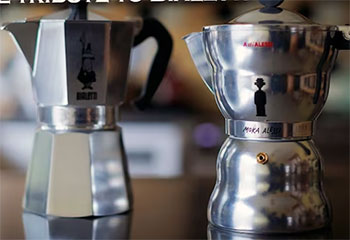
Switching to Alessi models elevated the ritual—the Pulcina’s clever spout design cuts extraction early, resulting in a rounder, less bitter cup that highlights subtle notes better. The 9090’s stainless steel feels substantial, heats evenly on induction, and pours cleanly thanks to its lever mechanism.
Brews taste more nuanced and elegant, especially with lighter roasts. The heavier build and stunning aesthetics make it a joy to handle and display.
Cleanup stays straightforward, and the quality shines through repeated use. For a more refined coffee experience with modern touches, Alessi turns brewing into something special.
Pros Of Bialetti
- Exceptional Value for Money: Delivers authentic moka coffee at a fraction of premium prices. Perfect for daily drinkers who want quality without overspending on design.
- Consistent Robust Flavor: Produces bold, full-bodied coffee with traditional intensity and slight bitterness. Matches the classic Italian espresso-style profile most expect from stovetop brewing.
- Quick and Even Heating: Lightweight aluminum warms rapidly on gas or electric stoves. Reduces wait time and ensures uniform extraction for reliable results every brew.
- Wide Range of Sizes: Options from 1-cup solo to 18-cup family sizes cover all needs. Easy to match exactly to your household or occasion.
- Proven Long-Term Durability: With basic care, lasts decades and often improves with age. Many users inherit or pass down vintage models still performing perfectly.
- Lightweight and Portable: Easy to carry for travel, camping, or small kitchens. Compact storage without heavy bulk.
- Iconic Timeless Design: Octagonal shape and logo evoke Italian heritage instantly. Fits any kitchen style without clashing.
- Forgiving for Beginners: Tolerates minor mistakes in grind or heat better. Builds confidence quickly.
Cons Of Bialetti
- No Native Induction Compatibility: Aluminum requires a separate adapter plate for induction stoves. Adds extra cost and slight inconvenience for modern kitchens.
- Risk of Bitterness if Overheated: Needs careful medium heat monitoring to avoid burnt taste. Less automated forgiveness than some electric brewers.
- Aluminum Care Required: Must dry thoroughly to prevent oxidation or staining. Avoid dishwasher to maintain seasoning and appearance.
- Basic Pouring Experience: Standard spout can dribble or spill slightly. Requires steady hand for clean serving.
- Gasket Wear Over Time: Rubber seal needs replacement every 1-2 years with heavy use. Though cheap and easy, still a recurring task.
- Limited Modern Refinements: Lacks features like auto-stop or premium materials. Stays true to original but misses subtle improvements.
- Potential Metallic Taste Initially: New pots need seasoning brews to remove factory notes. Minor startup effort required.
- Narrower Brew Nuance: Strong classic profile may overpower delicate roasts. Less versatile for experimenting with lighter coffees.
Pros Of Alessi
- Refined and Balanced Brew: Pulcina’s spout design reduces over-extraction for smoother, less bitter coffee. Highlights subtle flavors and aromas better than traditional pots.
- Premium Build Quality: Stainless steel (9090) or thoughtful aluminum (Pulcina) feels luxurious and durable. Heavier weight signals heirloom potential.
- Induction Compatibility (9090): Works seamlessly on all stovetops including modern induction. Essential upgrade for contemporary kitchens.
- Elegant Modern Design: Sleek lines and innovative details from renowned designers. Becomes a beautiful countertop statement piece.
- Clean and Precise Pouring: Specialized spouts and mechanisms minimize drips and spills. Enhances serving experience significantly.
- Excellent Heat Distribution: High-quality materials ensure even brewing temperature. Contributes to consistent, high-end results.
- Museum-Level Aesthetics: Models like 9090 displayed in MoMA collections. Combines function with true art.
- Family Heritage Touch: Designed with input from Bialetti inventor’s grandson. Maintains authentic Italian roots with innovation.
Read More: Comparison of Aeropress And Moka Pot
Cons Of Alessi
- Significantly Higher Cost: Premium pricing often 3-10 times Bialetti for similar core function. Hard to justify purely on taste difference alone.
- Heavier and Bulkier: Stainless models add weight that reduces portability. Less ideal for travel or minimal storage.
- Fewer Size Options: Limited range compared to Bialetti’s extensive lineup. Harder to find very large or tiny capacities.
- Handle Gets Hot: Metal components conduct heat more without insulation. Requires caution or mitt during handling.
- Parts Availability Costlier: Replacement gaskets or accessories more expensive and scarcer. Increases long-term ownership expense.
- Over-Extraction Risk in Some: Non-Pulcina models need precise timing like classics. No automatic forgiveness built in.
- Style May Not Suit All: Ultra-modern look clashes with traditional kitchens. Preference strongly divides users.
- Less Forgiving Initially: Premium design expects proper technique for best results. Steeper learning for novices.
Maintenance Tips For Bialetti
- Rinse Thoroughly After Each Use: Use only hot water—no soap—to preserve the internal seasoning that improves flavor over time. This prevents residue buildup and maintains the aluminum’s natural patina without stripping protective oils.
- Replace Gasket and Filter Periodically: Change the rubber seal and metal filter plate every 6-12 months or when leaks appear. Keeps pressure consistent and prevents grounds from escaping into the upper chamber.
- Descale with Vinegar Regularly: Boil a vinegar-water solution monthly in hard water areas to remove mineral deposits. Restores flow and prevents off-tastes from limescale affecting brew quality.
- Dry Completely Before Storage: Disassemble and air-dry all parts fully to avoid oxidation spots. Prevents corrosion and extends the pot’s lifespan significantly.
- Use Medium Heat Only: Avoid high flames that scorch grounds and create bitterness. Remove promptly when gurgling slows for optimal extraction.
- Season New Pots Properly: Brew and discard the first few batches to eliminate factory tastes. Builds better flavor foundation quickly.
- Clean Safety Valve Occasionally: Poke with a pin to clear any coffee residue blockage. Ensures proper pressure release and safety.
- Store Disassembled: Keeps parts ventilated and prevents mold in humid environments.
Maintenance Tips For Alessi

- Hand-Wash with Mild Care: Rinse with hot water and soft sponge—avoid abrasives on polished surfaces. Preserves the premium shine and prevents scratches on stainless or coated areas.
- Descale Stainless Models Safely: Use diluted vinegar boils periodically to clear mineral buildup. Maintains even heating and induction performance without damaging materials.
- Dry Immediately After Washing: Towel-dry all components to prevent water spots on elegant finishes. Keeps the museum-quality appearance intact over years.
- Inspect and Replace Gaskets: Check seals regularly and source Alessi-specific replacements when worn. Ensures tight closure and consistent brewing pressure.
- Use Low to Medium Heat: Especially important for Pulcina to maximize its design benefits. Prevents overheating and preserves nuanced flavor profile.
- Polish Exterior Occasionally: Soft microfiber cloth restores fingerprints and restores luster. Enhances display-worthy aesthetics effortlessly.
- Store Upright and Protected: Keeps spout alignment perfect and avoids dents. Ideal for showcasing on open shelves.
- Monitor Lever Mechanisms (9090): Ensure smooth operation with light cleaning if needed. Maintains precise pouring functionality long-term.
Comparison With Other Brands
- Versus Grosche Milano: Similar aluminum affordability to Bialetti with smoother pours. Alessi wins on design but costs far more.
- Against Cuisinox Roma: Stainless induction durability rivals Alessi 9090. Bialetti cheaper for classic aluminum experience.
- Compared to Giannina: Premium stainless feel close to Alessi luxury. Bialetti dominates value and size variety.
- Bialetti Venus (Stainless): Bialetti’s own induction option bridges the gap affordably. Alessi still superior in refinement.
- Pezzetti or Generic: Budget alternatives lack taste consistency of both icons. Neither matches heritage quality.
- London Sip: Modern aluminum improvements over basic clones. Bialetti remains the authentic benchmark.
- Ilsa Stainless: Durable induction competitor to Alessi. Bialetti lighter and more traditional.
- G.A.T. or Pedrini: Decent value but inferior build to either flagship. Choose icons for longevity.
Read More: My Thought on Aeropress And Moka Pot
Frequently Asked Questions (FAQ)
With proper rinsing and occasional gasket swaps, 10-20 years or more is common. Many vintage models still brew perfectly after decades of daily use.
It depends—yes for induction compatibility, modern design, and smoother taste (especially Pulcina). No if budget matters and classic robust coffee satisfies.
Subjective: Bialetti gives traditional bold intensity; Alessi (Pulcina) offers rounder, less bitter balance. Both excellent with good technique.
The 9090 stainless model works directly on induction; Pulcina aluminum needs an adapter like Bialetti.
Conclusion: Which One Is Better For You
After years of brewing with both, Bialetti Moka Express is the better choice for most—offering authentic, bold stovetop coffee at outstanding value with unmatched reliability and tradition you’ll reach for every morning. Go for Alessi if you want premium materials, induction support, refined flavors, and stunning design that elevates the experience—it’s worth the investment for modern kitchens and design lovers. Either delivers far superior coffee to drip machines; choose based on your stove, budget, and style—you’ll enjoy rich Italian mornings either way.