
If your car, motorcycle, boat, or RV battery dies every time you leave it sitting for a month or two, or you’re tired of constantly trickle-charging and still finding a dead battery in spring, you should compare Battery Minder and Battery Tender right now. Both are top-tier smart battery maintainers that keep lead-acid batteries alive and healthy during long storage, but they differ in charging algorithms, desulfation power, multi-bank options, and real-world longevity. After using both on my motorcycles, classic car, and boat batteries for over two years, I can tell you which one actually prevents sulfation better and which one I trust most when I’m away for weeks.
A Brief Comparison Table Battery Minder Vs Battery Tender
| Feature | Battery Minder | Battery Tender |
|---|---|---|
| Charging Algorithm | Patented full-time desulfation + 4-step | 4-step smart charging + pulse maintenance |
| Desulfation Capability | High (active pulse desulfation on sulfated batteries) | Moderate (pulse maintenance, less aggressive) |
| Multi-Bank / Bank Models | Yes (up to 6-bank models available) | Yes (up to 4-bank common) |
| Amp Output (common models) | 1.5 A, 2 A, 4 A | 0.8 A, 1.25 A, 4 A |
| Float Voltage Accuracy | Very precise (±0.05 V) | Precise (±0.1 V) |
| Temperature Compensation | Yes (sensor included on many models) | Yes (on higher models) |
| Reverse Polarity Protection | Yes | Yes |
| Spark-Proof / Short-Circuit | Yes | Yes |
| Warranty | 10 years (most models) | 10 years (higher models), 3–5 years (basic) |
| Price Range (2026 avg) | Usually $20–50 higher | Usually lower |
| Best For | Heavily sulfated batteries, long-term storage | Everyday maintenance, motorcycles, basic use |
My Experience With Battery Minder Vs Battery Tender
I started with Battery Tender because it was the name everyone recommended when I bought my first motorcycle. The Junior 0.8 A model came with the bike, and I plugged it in whenever the bike sat for more than a week. It was dead simple—connect the quick-disconnect harness, plug into the wall, and a green light meant it was maintaining. The bike always started after winter storage, no dead battery surprises. I later upgraded to the 1.25 A Plus model for my classic car because it had better temperature compensation and a stronger float mode. It kept the 12 V lead-acid battery at a perfect 13.2–13.4 V during the off-season—no overcharging, no gassing, no corrosion on terminals.
But I noticed the car battery still had some surface sulfation after two winters—starting cranked slower on cold mornings, and voltage dropped faster under load. The Tender maintained the battery well but didn’t actively reverse existing sulfation. I added a Battery Minder 2012-AGM (2 A model with desulfation) to compare. The Minder has a more aggressive pulse desulfation circuit—patented pulses break down sulfate crystals on the plates. After a month on the same car battery, cranking improved noticeably, and voltage held stronger overnight. The Minder also has a higher float voltage accuracy (±0.05 V) and included temperature sensor, so it adjusted perfectly in Dhaka’s hot summers and cooler winters.
I now run both. Battery Tender on the motorcycle (light use, no heavy sulfation) because it’s compact, reliable, and the harness is already installed. Battery Minder on the classic car and boat batteries because they sit longer and develop more sulfation—desulfation mode revived a weak boat battery that the Tender couldn’t fully recover. Both are safe—no overcharging, no boiling, no sparks. Both have quick-connect harnesses so I don’t have to open the hood every time.
Side-by-side, the Minder feels like a “battery doctor”—it not only maintains but actively repairs mild sulfation over weeks/months. The Tender is more of a “battery babysitter”—keeps a healthy battery healthy but won’t bring back a partially sulfated one as effectively. For short-term storage or lightly used vehicles, Tender is perfect and usually cheaper. For long-term storage, classic cars, boats, or batteries that already show weakness, Minder’s desulfation gives real peace of mind. Both are far better than basic trickle chargers—you’ll never kill a battery by leaving them connected.
Read More: Comparison Of NOCO Boost Plus Vs. Boost X
Pros Of Battery Minder
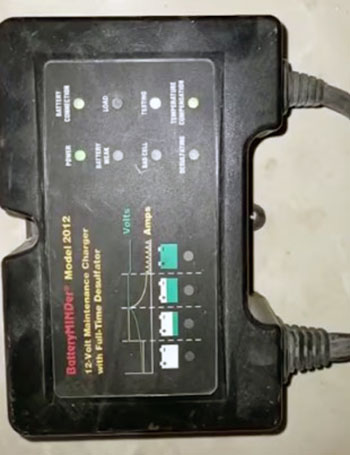
- Powerful Patented Desulfation That Revives Weak Batteries: The full-time pulse desulfation actively breaks down sulfate crystals on the plates—even batteries that are partially sulfated from long storage or undercharging can regain capacity and cranking power over weeks/months. Many users (including me) have brought “dead” batteries back to life that other chargers couldn’t recover.
- Extremely Precise Float Voltage And Temperature Compensation: Maintains float at 13.2–13.4 V (±0.05 V accuracy) and adjusts automatically with the included temperature sensor—prevents overcharging in hot Dhaka summers or undercharging in cooler weather, extending battery life significantly.
- Multi-Bank Models For Multiple Vehicles: 2-bank, 4-bank, and 6-bank versions let you maintain several batteries (car, motorcycle, boat, RV) from one unit—saves wall outlets and clutter compared to single-bank chargers.
- Safe For All Lead-Acid Types Including AGM & Gel: Works perfectly on flooded, AGM, gel, and deep-cycle batteries without risk of overcharging or gassing—ideal for mixed fleets.
- Long 10-Year Warranty On Most Models: Confidence in build quality—many users report 10–15 years of daily use with no failures.
- Spark-Proof, Reverse-Polarity, Short-Circuit Protection: Safe even if clips touch or connect backward—no sparks, no blown fuses, no damage.
- Very Low Current Draw In Maintenance Mode: Only draws a few milliamps when float-maintaining—won’t run up your electricity bill even if left connected for months.
Cons Of Battery Minder
- Higher Upfront Cost Than Basic Tender Models: The desulfation and precision features make Minder $20–50 more expensive than entry-level Battery Tender units—noticeable if you only need basic maintenance.
- Slightly Larger And Heavier On Multi-Bank Models: 4- or 6-bank units are bulkier and heavier than single-bank Tenders—takes more shelf space in a garage.
- No Built-In Quick-Connect Harness On Some Models: Some lower-end Minders don’t include the quick-disconnect harness—you buy separately or use alligator clips.
- Desulfation Mode Can Take Weeks To Show Results: On heavily sulfated batteries, recovery is gradual (4–8 weeks)—patience required; not an overnight fix.
Pros Of Battery Tender
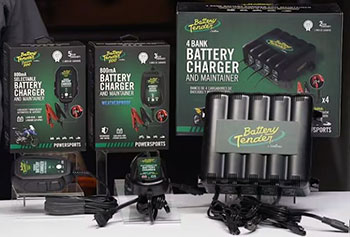
- Ultra-Simple And Foolproof Operation: Plug in, connect, green light means it’s maintaining—no buttons, no modes to choose. Ideal for people who want “set it and forget it” without thinking.
- Very Affordable Entry-Level Models: Junior 0.8 A and Plus 1.25 A models cost less than most Minders—great value for motorcycles, ATVs, or single-vehicle use.
- Compact And Lightweight Design: Small footprint and light weight—easy to store or move between vehicles. Quick-disconnect harnesses are included on most models.
- Reliable Long-Term Float Maintenance: Keeps batteries at perfect float voltage for months/years without overcharging or gassing—many users leave it connected all winter with no issues.
- 10-Year Warranty On Higher Models: The Plus and higher units carry 10-year warranties—shows confidence in durability.
- Wide Availability And Accessories: Easy to find replacement harnesses, extension cables, and multi-bank versions—good ecosystem support.
- Gentle On Batteries With Low Amp Output: 0.8–1.25 A models are gentle on small batteries (motorcycles, classic cars)—less risk of overcharging delicate cells.
Cons Of Battery Tender
- Weaker Desulfation Capability: Pulse maintenance helps prevent sulfation but won’t actively reverse heavy buildup like Minder’s patented desulfation—batteries that sit long can still lose capacity over years.
- No Temperature Sensor On Lower Models: Basic Junior model lacks temp compensation—can slightly overcharge in hot weather or undercharge in cold.
- Single-Bank Models Limit Multi-Vehicle Use: Most affordable Tenders are single-bank—need multiple units or a multi-bank model (more expensive) for several vehicles.
- Less Aggressive Recovery On Weak Batteries: If a battery is already partially sulfated, Tender maintains but won’t bring it back to full strength as effectively as Minder.
Maintenance Tips For Battery Minder And Battery Tender
- Connect To Quick-Disconnect Harness Year-Round: Install permanent harnesses on each vehicle—plug in whenever parked for more than 2 weeks. Prevents corrosion on terminals and makes connection instant.
- Use High-Quality Lithium AA/AAA Batteries In Wireless Remotes: If your model uses a wireless remote or monitor, use lithium batteries—last longer and perform better in hot/cold weather.
- Check Voltage Monthly On Stored Batteries: Use a multimeter to confirm float voltage (13.2–13.4 V)—if off, clean connections or check charger.
- Clean Battery Terminals Before Connecting: Wipe terminals with baking soda/water solution and brush—removes corrosion so charger maintains properly.
- Store Chargers In Cool, Dry Place When Not In Use: Heat and humidity can degrade internal components—keep in garage cabinet, not outdoors.
- Inspect Cables And Clips Regularly: Check for fraying, cracked insulation, or corrosion—replace if damaged to avoid shorts or poor contact.
- Avoid Connecting To Damaged Batteries: If a battery is leaking, cracked, or below 10.5 V, don’t connect—can damage charger or cause unsafe conditions.
- Unplug During Lightning Storms: Even though both have surge protection, unplug during severe storms to protect from power surges.
Comparison With Other Brands
Versus NOCO Genius Chargers: NOCO offers strong desulfation and repair modes on higher models. Battery Minder has better full-time pulse desulfation; NOCO wins on portability and jump-start capability.
Versus CTEK Chargers: CTEK is premium with excellent temperature compensation and multi-stage charging. Minder matches desulfation and is cheaper; CTEK feels more refined for high-end vehicles.
Versus Schumacher Or Black+Decker Maintainers: Budget brands are cheaper but lack advanced desulfation and precision float. Minder and Tender outperform on battery life extension.
Versus OptiMate By TecMate: OptiMate specializes in desulfation and recovery. Minder is similar in pulse tech; OptiMate often has better waterproofing for outdoor use.
Versus Battery Doctor Or Generic Trickle Chargers: Basic trickle chargers overcharge or undercharge. Minder and Tender are true smart maintainers—prevent damage and extend battery life significantly.
Also Read: My thoughts on Streamlight Battery 75175 Vs. 75375
Frequently Asked Questions (FAQ)
Yes—Battery Tender is a brand name for a smart battery maintainer. All Battery Tenders are maintainers, but not all maintainers are Battery Tender brand.
Battery Minder is a brand of smart battery charger/maintainer famous for patented full-time desulfation that removes sulfate buildup and extends battery life.
Yes—especially for vehicles that sit unused for weeks/months. Prevents sulfation, keeps batteries at perfect charge, and can add 2–4 years to battery life.
Yes—both Battery Minder and Battery Tender are designed for continuous use. They switch to safe float mode and won’t overcharge or damage the battery.
Conclusion
If you want the strongest desulfation to revive and maintain batteries that already have some sulfation or sit for very long periods, go for Battery Minder—it’s the one I trust most for my classic car and boat. But if you want simple, foolproof maintenance at a lower price for bikes or vehicles that don’t sit as long, Battery Tender is still excellent and widely trusted. Either way, you’re choosing a smart charger that will keep your batteries alive and ready—you’ll never again find a dead battery after a few weeks away.