
I’ve always kept my home sparkling, but nothing frustrates me more than stubborn stains on sinks, cookware, or bathroom fixtures that refuse to budge. That’s why I decided to put Bar Keepers Friend and Soft Scrub head-to-head in my own kitchen and bathroom battles. In this article, I share my honest take on which one truly comes out on top for everyday messes versus tough grime, based on real use over months. You’ll see the key differences in how they perform, what I like and dislike about each, and ultimately which I reach for most often.
A Brief Comparison Table Bar Keepers Friend Vs Soft Scrub
| Feature | Bar Keepers Friend | Soft Scrub |
| Form | Primarily powder (mix with water to paste) | Creamy liquid/gel |
| Main Active Ingredient | Oxalic acid | Mild abrasives, surfactants (some with bleach or Oxi) |
| Best For | Rust, hard water stains, mineral deposits, tarnish | Soap scum, grease, everyday grime, mildew |
| Surfaces | Stainless steel, porcelain, ceramic, glass, copper | Bathtubs, sinks, countertops, tiles, showers |
| Abrasion Level | Mild abrasive (gentle on metals) | Soft abrasive (clings to vertical surfaces) |
| Scent | Mild, slightly chemical | Pleasant (lemon, fresh, or bleach variants) |
| Ease Of Use | Requires mixing, more elbow grease for tough jobs | Ready-to-use, easier rinse |
| Versatility | Excellent for restorative deep cleans | Great for routine maintenance |
| Price Point | Affordable, lasts long | Similar, good value |
My Experience With Bar Keepers Friend
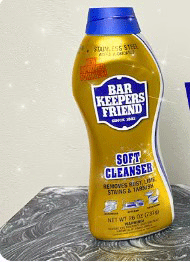
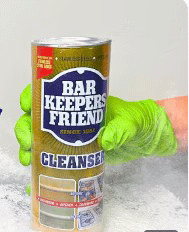
I first grabbed Bar Keepers Friend after reading rave reviews about reviving old stainless sinks.
My own sink had hard water rings that no regular cleaner touched. I sprinkled the powder, added water to make a paste, and scrubbed lightly.
Within minutes, the dull metal gleamed again—it felt like magic. Since then, I’ve used it on scorched pans from rushed dinners, rusty spots on faucets, and even tarnished brass handles.
It consistently outperforms expectations on metal surfaces, though I avoid it on my granite counters after one close call.
The powder lasts forever in my cabinet, and I love how a little effort yields professional results. It’s become my go-to for deep cleans every couple of weeks.
Pros Of Bar Keepers Friend
- Exceptional at rust and mineral removal: The oxalic acid breaks down rust stains on faucets or old tools like nothing else I’ve tried, often lifting them in minutes with minimal scrubbing.
- Restores shine on metals: Stainless steel sinks and pots look brand new after use, removing that dull patina from heat or hard water without scratching.
- Versatile across tough surfaces: Works wonders on porcelain, ceramic tiles, copper, brass, and even glass cookware where other cleaners fail.
- Long-lasting and economical: A small canister goes far since you only need a sprinkle mixed into a paste, making it cheaper over time than many liquids.
- Gentle yet powerful abrasive: The mild feldspar grit polishes rather than damages delicate finishes on stainless appliances or aluminum pans.
- Effective on baked-on food: I’ve revived scorched pans and stovetops by letting it sit briefly, then scrubbing lightly—no harsh soaking required.
- No strong lingering odor: It has a faint scent that dissipates quickly, unlike bleach-heavy options that leave a harsh smell.
- Proven for deep restoration: Great for neglected items like tarnished silverware or stained grout, bringing back original brightness.
- Safe around pets and kids when used properly: Non-toxic in small amounts, and rinses clean without residue.
- Multi-surface winner: Handles outdoor items like rusty garden tools or indoor fixtures equally well.
Also read: Comparison of Primula And Bialetti
Cons Of Bar Keepers Friend
- Requires mixing into a paste: The powder form means extra steps—wetting a sponge or surface first—which can feel inconvenient compared to grab-and-go liquids.
- Not ideal for vertical surfaces: It doesn’t cling well, so on shower walls or sides of tubs, it tends to slide off before fully working.
- Can be too abrasive if overused: Though mild, excessive scrubbing on very delicate finishes like some painted metals or gold plating risks minor scratches.
- Limited on grease-heavy messes: It excels at inorganic stains but struggles more with thick oil or soap buildup without repeated applications.
- Avoid certain surfaces: Not recommended for natural stone, colored grout, acrylic tubs, or lacquered items, as the acid can etch or damage them.
- Slight chemical smell during use: While it fades fast, the initial whiff reminds me of a workshop rather than a fresh home.
- Takes elbow grease for extreme buildup: Very neglected items still need serious scrubbing, even if it cuts time compared to alternatives.
- Rinsing can be thorough: Residue needs complete removal to avoid any white film on dark surfaces.
- Not disinfecting: It cleans and polishes brilliantly but doesn’t kill bacteria or mildew like bleach-based options.
- Powder can scatter: If you’re not careful, dry powder dusts around the area before mixing.
Maintenance Tips For Bar Keepers Friend
- Test on small area first: Always spot-test on hidden parts of surfaces to ensure no damage, especially on unfamiliar materials.
- Mix fresh paste each time: Combine powder with just enough water for a toothpaste-like consistency—too watery reduces effectiveness.
- Let it sit 1-2 minutes: For tough stains like rust, allow dwell time before scrubbing to let oxalic acid do its chemical work.
- Use non-abrasive tools: Pair with soft sponges or microfiber cloths to avoid adding extra scratches during application.
- Rinse thoroughly: Wipe away all residue with clean water and dry immediately to prevent spotting on metals.
- Store in dry place: Keep the canister sealed tightly away from moisture to maintain powder quality.
- Wear gloves for sensitive skin: The mild acid can irritate if you have cuts or prolonged contact.
- Ventilate area: Open windows during heavy use to disperse any faint fumes.
- Combine with soft scrub for variety: Use BKF for deep cleans, then follow up with milder options for shine.
- Avoid overuse on daily basis: Reserve for weekly or as-needed restorative tasks to extend surface life.
My Experience With Soft Scrub
Soft Scrub entered my routine for bathroom maintenance. The creamy texture clings perfectly to shower tiles and tub sides, tackling soap scum and light mildew without dripping everywhere.
I squeeze it on, let it sit briefly, then wipe—it leaves everything fresh with a nice lemon scent. It’s my pick for quick weekly wipes on counters and stovetops where grease builds up.
Unlike powders, no mixing needed, which saves time on busy days. It handles everyday grime well but doesn’t match Bar Keepers Friend on rust or deep mineral stains. Still, it’s reliable and gentle enough for frequent use without wearing down surfaces.
Pros Of Soft Scrub
- Ready-to-use creamy formula: Squeeze it straight from the bottle—no mixing or prep required, which saves time when I’m cleaning in a hurry.
- Clings excellently to vertical surfaces: The thick texture stays put on shower walls, tub sides, and sink basins, letting it work longer without dripping away.
- Great at cutting through soap scum: Daily bathroom buildup dissolves quickly with light scrubbing, leaving tiles and fixtures noticeably brighter.
- Handles grease and food splatters well: Works fast on kitchen counters, stovetops, and backsplashes where oil and spills accumulate.
- Pleasant scents available: Lemon, fresh rain, or bleach varieties leave a clean, inviting smell instead of a harsh chemical after-odor.
- Gentle enough for frequent use: Doesn’t strip finishes or dull surfaces when used regularly on porcelain, fiberglass, ceramic, and laminate.
- Mildew and mold fighter in some versions: Bleach-containing options tackle pink bathroom mold spots effectively with short contact time.
- Easy to rinse clean: Wipes away completely without leaving gritty residue or white film on dark surfaces.
- Good value per bottle: A standard size lasts several months with moderate use around the house.
- Versatile for multiple rooms: Moves seamlessly from bathroom tiles to kitchen sinks and even outdoor plastic furniture when needed.
Cons Of Soft Scrub
- Weaker on rust and hard-water stains: Mineral deposits and orange rust rings need multiple applications or stronger alternatives to disappear completely.
- Can feel too mild for baked-on messes: Heavy scorched food on stove grates or old coffee rings in mugs often require extra scrubbing or soaking.
- Bleach versions have stronger fumes: The scented bleach formula can irritate eyes or throats in poorly ventilated bathrooms.
- Not ideal for natural stone: Marble, granite, and some quartz surfaces risk etching or dulling from the abrasives or pH over time.
- Squeezing can get messy: Tube or bottle sometimes oozes too much if squeezed hard, leading to waste on the counter.
- Limited metal restoration power: Stainless steel shines less dramatically compared to acid-based competitors—no real polishing effect.
- Some batches vary in thickness: Occasionally the formula feels runnier, reducing cling and requiring more product.
- Doesn’t disinfect as powerfully as pure bleach: Kills some germs but falls short for heavy sanitizing needs in high-traffic areas.
- Plastic bottle packaging: Not as eco-friendly as recyclable metal canisters; cap can also leak if not tightened properly.
- Slower on very stubborn tarnish: Brass or copper items barely improve without combining it with something more aggressive.
Read more: Comparison of Canopy And Levoit Humidifier
Maintenance Tips For Soft Scrub
- Apply to damp surface first: Wet the area slightly before squeezing on the cleaner so it spreads easier and works more evenly.
- Let it sit 3–5 minutes: Give soap scum or light mildew time to loosen before you start scrubbing for less effort.
- Use soft sponge or cloth: Avoid steel wool or harsh pads that can scratch finishes—non-scratch green or blue sponges work best.
- Rinse thoroughly with warm water: Wipe away all traces to prevent any filmy buildup that attracts new dirt faster.
- Ventilate the room: Open a window or turn on the fan, especially with bleach versions, to reduce fume exposure.
- Spot test colored surfaces: Try a small hidden area first on dyed grout, painted fixtures, or specialty countertops.
- Store bottle upright and capped tightly: Prevents leaks and keeps the formula from drying out or separating.
- Wipe excess immediately: If you over-apply, clean up spills right away to avoid dried clumps on counters.
- Combine with microfiber for shine: After rinsing, buff dry with a clean microfiber cloth for streak-free results.
- Use sparingly on daily basis: Reserve heavier applications for weekly deep cleans to extend the life of your fixtures.
Comparison With Other Brands
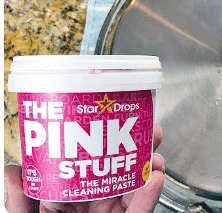
- Vs The Pink Stuff: Similar mild abrasive action but Pink Stuff is a paste out of the tub—easier for quick jobs, though less targeted at rust than BKF’s oxalic acid.
- Vs Bon Ami: Both powder-based and gentle; Bon Ami uses feldspar too but adds citric acid—great eco-friendly option but weaker on heavy rust compared to BKF.
- Vs CLR: CLR targets calcium/lime/rust with different acids—liquid form is convenient, but BKF polishes metals better without as much risk to some finishes.
- Vs Comet: Comet is bleach-based and harsher—strong on disinfection but can scratch more and leaves stronger smell; BKF is gentler for metals.
- Vs Baking Soda: Natural and cheap alternative for light scrubbing—safe everywhere but lacks BKF’s chemical rust-dissolving power.
- Vs Vinegar Solutions: Acidic like BKF for minerals but slower and smellier—BKF combines acid with abrasive for faster, more thorough results.
- Vs Soft Scrub Variants: Soft Scrub clings better for bathrooms; BKF wins on metal restoration but Soft Scrub handles soap scum easier.
- Vs Zud: Similar heavy-duty powder—effective on tough stains but BKF feels more refined and widely praised for shine.
- Vs Homemade Pastes: Baking soda + dish soap mimics texture but misses oxalic acid’s rust magic—good budget backup.
- Vs Commercial Sprays: Many sprays are milder for daily use; BKF outperforms on stubborn issues but requires more effort.
Frequently Asked Questions (FAQ)
For rust and shine restoration, few beat it, but The Pink Stuff or Bon Ami offer similar results with easier application for some users.
Comet cream, Ajax, or homemade baking soda pastes provide similar scrubbing action for everyday bathroom and kitchen cleaning.
Yes, it effectively removes stains, rust, and grime through its oxalic acid and mild abrasive formula, often better than standard cleaners.
Conclusion: For Both Products
I’ve come to see Bar Keepers Friend as my heavy-hitter for those impossible stains that make me want to give up, while Soft Scrub handles the routine stuff without fuss. If your home battles hard water, rust, or dull metals, reach for Bar Keepers Friend first—you’ll thank yourself when things sparkle again. For daily soap scum, grease, and easy maintenance, Soft Scrub wins with its convenience and cling. Both earn a permanent spot under my sink, but Bar Keepers Friend edges out as the better overall pick for tougher challenges. Try them yourself; your surfaces will show the difference.