
I’ve spent years experimenting with different salts in my kitchen and for my health, and lately, I’ve been switching between Baja Gold and Celtic sea salt. Both are unrefined gems that beat regular table salt hands down, but they shine in different ways. In this article, I’ll share my honest comparison to help you decide which might suit your needs better—whether you’re seasoning a meal, boosting hydration, or just aiming for better mineral intake.
A Brief Comparison Table
| Feature | Baja Gold Sea Salt | Celtic Sea Salt |
| Source | Sea of Cortez, Mexico | Coastal clay pans, Brittany, France |
| Sodium Content | Lower (around 30-32%) | Higher (around 33-35%) |
| Mineral Richness | Higher overall trace minerals (90+) | Good, but slightly lower in some macros |
| Texture | Finer, drier | Moist, coarse, crunchy |
| Flavor Profile | Delicate, complex, slightly sweet | Bold, briny, earthy |
| Best For | Everyday cooking, hydration drinks | Finishing dishes, gourmet seasoning |
| Moisture Level | Low | High (naturally damp) |
| Price Point | Premium | Premium, often similar |
My Experience With Baja Gold Sea Salt

I first tried Baja Gold after hearing about its lower sodium and higher minerals from some wellness podcasts.
I ordered a bag of the fine grind, and right away, I noticed how easily it dissolved in water—I started adding a pinch to my morning glass, and it felt smoother than other salts.
Over a few months, I used it for everything: sprinkling on avocados, mixing into soups, even baking.
The flavor is subtle yet layered; it enhances food without overpowering it. I felt like my energy stayed steadier during workouts, possibly from the extra magnesium and potassium.
One thing I love is how it doesn’t make things taste overly salty, so I can use more without worry.
Also read: Comparison of Similac 360 Sensitive And Similac Sensitive
Pros Of Baja Gold Sea Salt
- Lower Sodium Levels: With only about 30% sodium, it lets me enjoy salt without as much concern about intake, especially compared to regular salts that hit 38-39%.
- Rich Mineral Profile: It packs over 90 trace minerals, including higher magnesium, potassium, and calcium, which support everything from muscle recovery to better hydration in my daily routine.
- Delicate Flavor: The taste is clean and complex, with a hint of sweetness that makes food pop—perfect for salads, fish, or even chocolate desserts.
- Fine Texture: The grind dissolves quickly, making it ideal for cooking, baking, or adding to drinks without grit.
- Purity From Source: Harvested from a remote estuary, it feels cleaner, and third-party tests show low contaminants.
- Versatile Everyday Use: I reach for it constantly; it flows well from a shaker (with a few rice grains to prevent minor clumping).
- Hydration Boost: Adding it to water feels more balancing than plain salt—I’ve noticed fewer cramps after long days.
- No Additives: Completely unrefined, no anti-caking agents, just pure sea minerals.
- Endorsed For Wellness: Many experts praise it for electrolyte balance, and I’ve felt the difference in my skin and energy.
- Subtle Moisture: Just enough to keep it natural but not sticky like some others.
Cons Of Baja Gold Sea Salt
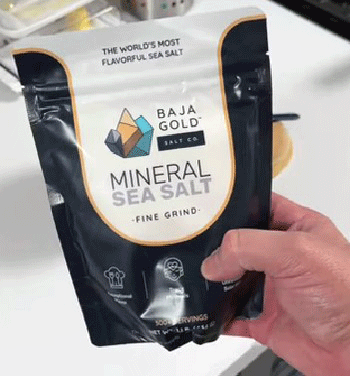
- Higher Price: It’s premium, so a bag costs more than basic sea salts, though I find it worth it for the quality.
- Can Clump Slightly: Due to natural moisture, it might stick in humid kitchens, requiring a dry storage spot.
- Finer Grain Limits Crunch: Not the best as a finishing salt if you want that textural pop on steaks or veggies.
- Availability: Not always in local stores; I usually order online.
- Subtle Flavor For Some: If you love bold brininess, it might feel too mild at first.
- Adjustment Period: Switching from table salt, the complexity takes getting used to.
- Potential Heavy Metals: Like all sea salts, trace amounts exist, but tests show it’s safe and low.
- Not Ideal For All Shakers: The fine version works great, but natural grain needs pinching.
- Limited Coarse Options: If you prefer big crystals, choices are fewer.
- Marketing Hype: Some claims feel overstated, but the lab tests back up the minerals.
Maintenance Tips For Baja Gold Sea Salt
- Store In A Cool, Dry Place: Keep it away from humidity to prevent clumping; a glass jar with a tight lid works best.
- Use A Salt Cellar: For easy pinching, transfer to an open dish on your counter.
- Add Rice Grains: A few uncooked rice in the container absorbs excess moisture.
- Avoid Metal Containers: Stick to glass or ceramic to preserve purity.
- Pinch Don’t Pour: Season by hand for better control and to enjoy the texture.
- Keep Away From Heat: Don’t store near the stove; stable room temperature is ideal.
- Check For Clumps: Gently break any with a spoon; it’s natural.
- Reseal Bags Tightly: If it comes in a bag, fold and clip it shut.
- Use Within Reason: It lasts indefinitely, but fresher is better for flavor.
- Clean Tools: If using a grinder, occasional wipe-down keeps it flowing.
My Experience With Celtic Sea Salt

Celtic was my go-to for years before Baja Gold. I love the gray color and that moist feel—it’s like bringing the ocean to your plate.
I use the coarse Light Grey version mostly as a finisher on eggs, steaks, or roasted veggies.
The briny punch is addictive, and it adds a nice crunch.
I’ve noticed it helps with digestion when sprinkled on meals, maybe from the magnesium.
But it’s bolder, so I use less in drinks. Overall, it’s reliable and has that authentic, traditional harvest feel.
Pros Of Celtic Sea Salt
- Bold, Briny Flavor: That earthy, ocean taste elevates simple dishes incredibly.
- Moist Texture: The natural dampness preserves minerals and gives a satisfying crunch.
- Good Mineral Content: High in magnesium and other traces for nerve and muscle support.
- Traditional Harvest: Hand-raked from clay pans, feels artisanal and pure.
- Excellent Finisher: Perfect sprinkled at the end for texture and burst of flavor.
- Gray Color Indicator: The hue shows it’s unrefined and mineral-packed.
- Versatile In Gourmet Cooking: Chefs love it for its complexity.
- Supports Hydration Claims: Many feel it balances electrolytes well.
- Widely Available: Easier to find in stores than some niche salts.
- Long History: Centuries-old method ensures consistency.
Cons Of Celtic Sea Salt
- Higher Sodium: Around 34%, so more cautious use for sodium watchers.
- Very Moist: Clumps easily and doesn’t flow from shakers well.
- Strong Flavor: Can overpower delicate foods if not careful.
- Coarse Grind Only: Harder for even cooking or dissolving in liquids.
- Potential Pollutants: From open ocean areas, though reputable brands test low.
- Gray Appearance: Some find the color off-putting at first.
- More Expensive Than Basic: Premium pricing for the harvest method.
- Not Ideal For Baking: Moisture can affect recipes.
- Limited Fine Options: Mostly coarse, less versatile for some.
- Adjustment For Taste: Bolder than mild salts, takes time to love.
Read more: Comparison of Nutty Bars And Nutty Buddy
Maintenance Tips For Celtic Sea Salt
- Store In Airtight Container: Essential to control moisture and prevent hardening.
- Use Wooden Or Ceramic: Avoid metal to keep flavor intact.
- Keep Dry Environment: Away from sinks or steam.
- Stir Occasionally: Break up clumps gently.
- Pinch Or Scoop: Don’t shake; use fingers or spoon.
- Room Temperature: Stable spot, no fridge.
- Small Batches Out: Keep bulk sealed, small dish for daily use.
- Avoid Direct Sun: Preserves natural qualities.
- Clean Hands: When pinching to avoid introducing moisture.
- Grind If Needed: For finer, use a mortar.
Comparison With Other Brands For Celtic Sea Salt
- Vs Himalayan: Celtic has more moisture and briny taste; Himalayan drier and milder.
- Vs Baja Gold: Celtic bolder and moister; Baja more mineral-dense and subtle.
- Vs Table Salt: Far superior in flavor and nutrients.
- Vs Mediterranean Sea Salt: Similar but Celtic’s clay gives unique minerals.
- Vs Fleur De Sel: Cousin—Fleur is finer, whiter top layer.
- Vs Kosher: Celtic adds minerals and crunch kosher lacks.
- Vs Redmond: Celtic moister and brinier; Redmond ancient and drier.
- Vs Maldon: Both flaky/crunchy, but Celtic more mineral-forward.
- Vs Hawaiian: Celtic grayer and earthier.
- Vs Regular Fine Sea: Celtic unrefined edge wins easily.
Frequently Asked Questions (FAQ)
No single salt is “the best” for everyone—it depends on your priorities. Baja Gold excels in lower sodium and higher trace minerals, making it a top choice for hydration and wellness.
Celtic salt is a specific type of sea salt, harvested traditionally from French clay pans, resulting in higher moisture, gray color, and bold briny flavor compared to generic sea salts.
Baja Gold is ocean-harvested with lower sodium and broader trace minerals; Himalayan is ancient rock salt, higher in sodium with more iron (pink color) but fewer overall ocean traces.
Conclusion: For Both Products
I’ve loved using both Baja Gold and Celtic sea salt—they’ve transformed how I think about seasoning and health. If you’re after subtle flavor, lower sodium, and maximum minerals for daily hydration and cooking, I lean toward Baja Gold. But for that irresistible briny crunch on finished dishes, Celtic is hard to beat.
Ultimately, you can’t go wrong with either; try both and see what fits your taste and lifestyle. Whichever you choose, switching to unrefined salts like these has made a real difference for me—better flavor, better balance.