
I have spent years worrying about what comes out of my tap. After testing both the AquaTru and Bluevua countertop reverse osmosis systems in my own kitchen, I want to share my honest comparison to help you decide which one might suit your needs better.
Right after this intro, you will find a quick comparison table summarizing the key differences.
A Brief Comparison Table
| Feature | AquaTru | Bluevua |
| Filtration Stages | 4-stage RO (optional alkaline add-on) | 5-6 stage RO (UV option, remineralization) |
| Certifications | IAPMO certified to NSF/ANSI 42, 53, 58, 401 (83+ contaminants) | Component certifications (NSF 58 for membrane), third-party tested (SGS) |
| Contaminant Removal | Excellent (100% for many, including PFAS, lead, fluoride) | Very good (99%+ claimed, strong on heavy metals) |
| Wastewater Ratio | 4:1 (efficient) | 2:1 (less efficient) |
| Purified Water Storage | Plastic carafe | Glass carafe |
| Design & Size | Compact, modern | Sleek, coffee-maker style |
| Filter Life | Pre/carbon: 6-12 months, RO: 2 years | 12-24 months combined |
| Annual Cost | ~$100-150 | ~$120-150 |
| Price (approx.) | $400-500 | $300-400 |
| Warranty | 1 year | 1 year |
My Experience With Aquatru
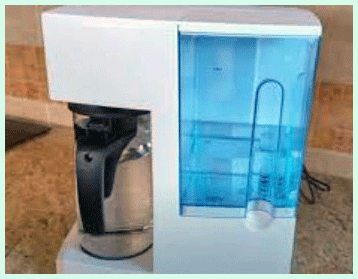
I started with the AquaTru Classic a couple of years ago because I wanted something with solid proof behind its claims.
The setup was straightforward—no plumbing needed, just plug it in and go.
What impressed me most was how clean the water tasted right away.
My tap water had that slight chlorine edge, but after running it through AquaTru, it was crisp and neutral.
I noticed my coffee and tea tasted better too.
The digital display tells you exactly when filters need changing, which takes the guesswork out. Dispensing from the tap is quick, and the carafe holds enough for my daily needs.
One thing I appreciate is the efficiency—it wastes less water than traditional RO systems I have tried before. Over time, I upgraded to the alkaline version because plain RO water felt a bit flat to me.
Now, with the mineral boost, it has a smoother mouthfeel. I feel confident drinking it daily, knowing it is certified to remove so many contaminants.
Of course, it is not perfect. The plastic carafe is durable but not as premium as glass. Occasionally, if I forget to empty the waste tank, it reminds me firmly.
Overall, it has become a staple on my counter, and I recommend it to friends who prioritize verified performance.
Pros Of Aquatru
- Certified Performance: AquaTru stands out with full system certification to multiple NSF standards, verifying removal of over 80 contaminants including lead, PFAS, chromium-6, and fluoride. This independent validation gives me confidence no other countertop RO matches.
- Efficient Water Use: With a 4:1 pure-to-waste ratio, it wastes far less than traditional systems. In my daily use, this means lower water bills and less guilt about consumption.
- Long Filter Life: The RO membrane lasts up to two years, and pre/carbon filters handle 600-1200 gallons. This keeps annual costs reasonable and replacements infrequent.
- Easy Monitoring: The digital indicator tracks filter status precisely, so I never wonder if it is time to change them. It also alerts for maintenance like descaling.
- Great Taste Options: The standard version produces pure neutral water, while the alkaline upgrade adds back minerals for a smoother, healthier feel. I switch based on mood.
- Compact and Reliable: It fits neatly on my counter without dominating space. The pump ensures consistent flow, and it rarely leaks if tanks are seated properly.
- Proven Contaminant Removal: Lab tests show near-complete elimination of heavy metals, chemicals, and microbes. My own TDS meter confirms drops to near zero.
- User-Friendly Dispensing: The one-touch tap fills glasses quickly without splashing.
- Good Customer Support: When I had a question about hard water, their team responded quickly with tips.
- Versatile Models: Options like Carafe or Connect app integration let me choose what fits my needs.
Cons Of Aquatru
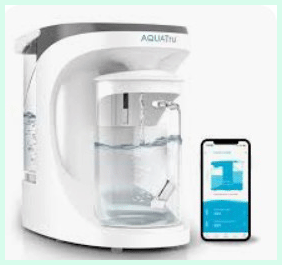
- Plastic Carafe: The clean water stores in plastic, which some avoid due to potential microplastics, especially if left in sun.
- Requires Electricity: It needs plugging in, so no use during outages or off-grid.
- Higher Upfront Cost: It runs pricier than some competitors, though long-term savings balance it.
- Wastewater Still Exists: Though efficient, it produces some reject water that needs emptying regularly.
- Descaling Needed: In hard water areas, monthly descaling prevents slowdowns—extra step but necessary.
- Slower in Large Batches: Filtering a full tank takes 10-15 minutes, fine for daily but not instant.
- Limited Capacity: The carafe holds about a gallon, requiring refills for big families.
- Potential Leaks: Early models had issues, though improved; proper tank placement prevents most.
- No Built-in UV: Standard model lacks UV sterilization, though some variants offer it.
- Mineral Stripping: Without alkaline filter, water can taste flat and lack beneficial minerals.
Also read: Comparison of Merach And Yosuda Rowing Machine
Maintenance Tips For Aquatru
- Empty Waste Regularly: Always discard wastewater from the tap tank before refilling to prevent pump damage.
- Weekly Tank Cleaning: Wash both tanks with mild soap, rinsing spout and valves thoroughly.
- Monthly Descaling: In hard water, run descaling cycle to keep flow strong and extend RO life.
- Filter Priming: After replacements, run two full cycles before drinking.
- Avoid Stagnant Water: Use daily or refresh if sitting to prevent bacteria.
- Cool Placement: Keep away from heat or direct sun to protect materials.
- Display Monitoring: Change filters promptly when alerted.
- Sanitize Spout: Wipe dispenser regularly for hygiene.
- Hard Water Prep: Test your water; soften if over limits to avoid scale.
- Store Properly: If unused, drain and dry tanks.
My Experience With Bluevua
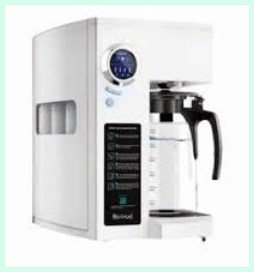
After hearing buzz about Bluevua, I decided to give the ROPOT model a try alongside my AquaTru.
The design caught my eye first—it looks like a modern coffee maker with a beautiful glass carafe.
Setting it up felt even easier; filters come pre-installed, and it starts filtering with a button press.
The water comes out fast, and the glass pitcher makes it feel more upscale.
I love that it has a UV option for extra protection against microbes, which gave me peace of mind during travel season.
The taste is refreshing, and the built-in remineralization keeps the pH balanced without needing an add-on. It handles larger batches well, perfect when I have guests.
The smart display shows filter life and TDS levels, which is handy. It self-cleans before each cycle, so maintenance feels minimal.
That said, I noticed it produces more wastewater, which bothers me a bit in dry months. Some users mention biofilm if not cleaned regularly, so I stay on top of that.
Compared to AquaTru, the certifications are not as comprehensive, but third-party tests reassure me. It fits my lifestyle when I want something stylish and quick.
Pros Of Bluevua
- Elegant Glass Carafe: The borosilicate glass pitcher feels premium and avoids plastic contact for purified water.
- Fast Filtration: It processes water quicker than many, with options for different volumes at a button press.
- Built-in Remineralization: Adds back essential minerals for better taste and pH balance without extra purchases.
- UV Protection Option: The UV model kills bacteria and viruses, ideal for questionable source water.
- Self-Cleaning Feature: Automatic rinse before cycles reduces buildup and maintenance hassle.
- Smart Display: Shows real-time TDS, filter life, and reminders—very intuitive.
- Compact Design: Sleek footprint suits small kitchens, and portable for travel.
- Longer Combined Filter Life: Many parts last 12-24 months, lowering frequent changes.
- Good Taste Improvement: Effectively removes odors and off-tastes, making water enjoyable.
- Affordable Entry: Often cheaper upfront than fully certified competitors.
Cons Of Bluevua
- Less Comprehensive Certification: Relies on component and third-party tests rather than full NSF system certification.
- Higher Wastewater: 2:1 ratio means more waste compared to top competitors.
- Potential Biofilm: Some report slime in carafe if not cleaned weekly.
- Shorter Warranty Support: One year, with mixed reviews on responsiveness.
- Hard Water Sensitivity: Needs frequent descaling kits in mineral-heavy areas.
- No App Integration: Lacks smart features some modern units offer.
- Variable TDS Readings: Display sometimes differs from independent meters.
- Bulkier Filters: Replacement packs cost similar despite longer life claims.
- Limited Capacity: Carafe size suits small households best.
- Company History Concerns: Past association with issues raises trust questions for some.
Read more: Comparison of Force Of Select Midea And hOmeLabs Dehumidifier
Maintenance Tips For Bluevua
- Daily Waste Drain: Empty reject water after each use.
- Weekly Carafe Wash: Clean glass pitcher with soap; dry thoroughly.
- Self-Clean Reliance: Let auto-rinse run, but manual clean internals monthly.
- Descaling Kits: Use provided packets regularly in hard water.
- Filter Alerts: Replace exactly when display prompts for optimal performance.
- Unplug When Away: For short trips, drain and power off.
- Avoid Freezing: Keep above 0°C to protect components.
- TDS Check: Verify with external meter occasionally.
- Sun Protection: No direct sunlight to prevent algae.
- Long-Term Storage: Refrigerate filters if pausing use extended time.
Comparison With Other Brands
Vs Berkey: AquaTru and Bluevua both outperform gravity-fed Berkey in removing dissolved solids and PFAS via RO, while Berkey excels off-grid with no power needed but lacks NSF certification and struggles with some chemicals.
Vs iSpring: iSpring under-sink models offer higher capacity and similar RO efficiency, often cheaper long-term, but require installation; countertop versions lag in design compared to these plug-and-play units.
Vs Waterdrop: Waterdrop competes closely in price and speed, with tankless options, but plastic storage and mixed certification make AquaTru/Bluevua preferable for glass or verified performance.
Vs SimPure: SimPure matches efficiency and UV options affordably, but build quality feels less premium than Bluevua’s glass aesthetic.
Vs RKIN: RKIN focuses on alkaline zero-waste, costing more; these provide better value for standard RO needs.
Vs Sans: Sans offers stylish alternatives with long filters, but higher price and less proven contaminant data.
Vs Brondell: Brondell non-RO filters cost less but remove fewer contaminants overall.
Vs Aarke: Aarke prioritizes design over thorough purification.
Vs Clearly Filtered: Pitcher-style lacks RO depth for heavy contaminants.
Vs Brita: Basic carbon can’t compare to RO for toxins.
Frequently Asked Questions (FAQ)
It depends on priorities: AquaTru for certified contaminant removal and efficiency, Bluevua for style, glass storage, and speed.
No, Bluevua is an American company, though final assembly occurs in China with global suppliers.
The alkaline version includes a special VOC filter that adds back minerals like calcium and magnesium, raising pH for better taste and potential health benefits.
Conclusion: For Aquatru And Bluevua
I have enjoyed using both AquaTru and Bluevua, and you might too depending on what matters most to you. If verified purity and less waste top your list, go with AquaTru—it gives that reassuring backed-by-science feel. If you want elegant design, glass storage, and quick convenience, Bluevua delivers a delightful daily experience. Whichever you choose, you will upgrade your hydration significantly. Listen to your needs, and enjoy cleaner water every day.