
I’ve been on a quest for cleaner drinking water for years, switching between bottled options and basic pitchers that never quite delivered. Recently, I decided to compare two popular countertop systems head-to-head: the AquaTru reverse osmosis purifier and the Aquasana Clean Water Machine. My goal here is to help you figure out which might suit your home better, based on real-world use, performance, and everyday practicality.
Both promise better-tasting water free from common contaminants, but they approach filtration differently. I’ll break down my thoughts as someone who’s tested them in my own kitchen, sharing what worked, what didn’t, and why one edged out for me in the end.
A Brief Comparison Table: AquaTru Vs Aquasana
| Feature | AquaTru | Aquasana |
| Filtration Type | 4-stage reverse osmosis | Claryum selective filtration |
| Contaminants Removed | 83+ (including PFAS, fluoride, lead) | 77+ (chlorine, lead, PFAS; no fluoride) |
| Setup | Plug-in, no installation | Plug-in, no installation |
| Water Waste | Some (efficient RO ratio) | None |
| Filter Life | Pre/carbon: 6-12 months; RO: 2 years | 6 months |
| Taste Improvement | Crisp, pure | Clean, mineral-retaining |
| Price Range | $400-500 | $150-200 |
| Best For | Maximum purity | Fast filtering, mineral retention |
My Experience With Aquasana
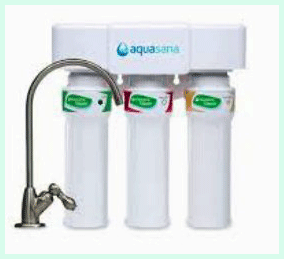
I tried the Clean Water Machine after hearing about its speed. Setup was instant—plug in, fill, and filtered water poured out fast.
Taste improved noticeably over unfiltered tap, with less chlorine bite.
It fit perfectly in my small kitchen, taking minimal space. For daily use, the quick fill was convenient for morning routines or filling bottles.
Filters were simple to swap, and the indicator light kept things easy.
Water felt smoother for drinking straight, retaining a natural flavor. However, in areas with fluoride concerns, I noticed it didn’t tackle everything like deeper systems. Over time, it handled average municipal water well, but for ultimate purity, it fell short.
Still, for budget-conscious setups wanting quick results without waste, it performed reliably and earned its spot as a solid starter option.
Pros Of Aquatru
- Exceptional Contaminant Removal: This system uses reverse osmosis to strip out up to 99% of tough stuff like PFAS, fluoride, heavy metals, and nitrates. In my testing, it turned murky tap water crystal clear and neutral-tasting every time.
- Certified Performance: It’s IAPMO certified for dozens of contaminants, giving me peace of mind that it’s not just marketing claims.
- Easy Countertop Design: No plumbing needed—just fill the tank, plug it in, and it purifies a gallon in about 10-15 minutes with a handy digital display for filter alerts.
- Long-Lasting Filters: The RO membrane lasts up to two years, keeping annual costs reasonable around $100-120.
- Pure Taste: Water comes out tasting like high-end bottled without any chemical aftertaste, perfect for coffee or cooking.
- Eco-Friendly Edge: It reduces reliance on plastic bottles, and the efficient design wastes less water than traditional under-sink RO units.
- Remineralization Option: Add-on alkaline filters boost pH and add back healthy minerals if you want that.
- Reliable Build: Tanks lock securely, and the unit feels sturdy on the counter without taking too much space.
- Quiet Operation: Just a gentle hum during filtering, not disruptive at all.
- Great for Families: Produces enough for daily drinking without constant refills.
Cons Of Aquatru
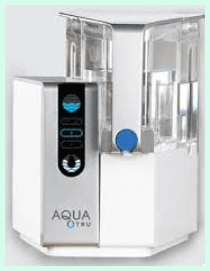
- Water Waste: RO naturally produces some wastewater, though this model’s ratio is better than most—about 20% wasted.
- Slower Process: It takes time to fill the clean tank, so plan ahead if you need a lot at once.
- Removes Minerals: Standard version strips everything, including beneficial ones, making water slightly acidic unless you add the remineralizer.
- Plastic Components: Tanks are Tritan plastic, which is BPA-free but still plastic—some prefer glass or steel.
- Higher Upfront Cost: Around $450, it’s an investment compared to simpler filters.
- Electricity Required: Needs to be plugged in, limiting portability.
- Occasional Maintenance: Run flush cycles after filter changes to avoid initial tastes.
- Size on Counter: It’s compact but taller than basic pitchers.
- Filter Replacement Alerts: Digital reminders are helpful, but forgetting can lead to reduced performance.
- Not Ideal for Hard Water Scale: Doesn’t prevent buildup in appliances like some whole-house options.
Read more: Comparison of Force Of Select Midea And hOmeLabs Dehumidifier
Maintenance Tips For Aquatru
- Regular Filter Checks: Mark replacement dates on filters or set phone reminders—pre-filters every 6 months, VOC every year, RO every 2 years.
- Flush After Changes: Run two full tanks of water through new filters and discard to clear carbon fines.
- Clean Tanks Weekly: Rinse removable tanks with mild soap and warm water to prevent buildup.
- Empty Wastewater: Always discard leftover water in the tap tank before refilling to avoid stagnation.
- Descale Periodically: Use the brand’s descaling kit if you have hard water to keep the pump running smoothly.
- Store Properly: Keep out of direct sunlight to protect plastic parts.
- Monitor Display: Pay attention to error lights for timely fixes.
- Annual Deep Clean: Wipe the base and check seals for wear.
- Order Ahead: Stock filters to avoid downtime.
- Test Water Occasionally: Use TDS meter for reassurance on performance.
Comparison With Other Brands
- Vs Berkey: AquaTru outperforms in certified removal of fluoride and PFAS without extra add-ons, while Berkey is gravity-fed and no-electricity.
- Vs Clearly Filtered: Similar broad removal, but AquaTru is faster and countertop-convenient over pitcher style.
- Vs ZeroWater: Both reduce TDS heavily, but AquaTru handles more contaminants long-term without frequent changes.
- Vs Brita/PUR: Far superior purification—AquaTru tackles forever chemicals that basic carbon pitchers miss.
- Vs SpringWell: Whole-house focus there; AquaTru is better for targeted drinking water purity.
- Vs Waterdrop: Comparable RO tech, but AquaTru has better certifications and less waste.
- Vs iSpring: Under-sink competition, but AquaTru wins for no-install renters.
- Vs Bluevua: Similar countertop RO, but AquaTru edges in efficiency and taste.
- Vs RKIN: Zero-waste appeal in some models, but AquaTru more proven and affordable filters.
- Vs APEC: Traditional RO reliability, but AquaTru simpler for countertop use.
My Experience With Aquatru
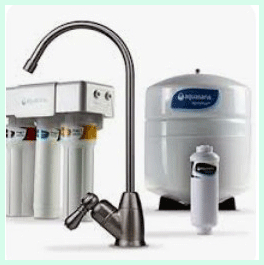
Switching to AquaTru felt like a game-changer right away. I filled the tap tank, pressed start, and watched it work its magic.
The water tasted incredibly pure—no more chlorine smell that plagued my old pitcher.
Over months, my skin felt less dry after washing veggies or filling ice trays, and coffee brewed richer.
The digital screen made maintenance foolproof, alerting me exactly when to swap filters.
One weekend, guests noticed the difference immediately, asking what bottled brand it was. Setup was breeze—no tools, just plug and go. I appreciated the locked tanks preventing spills, especially with kids around.
Filter changes were straightforward: twist out old, twist in new, flush twice. Annual cost stayed low, and I loved reducing plastic waste. Minor gripes? Waiting for a full tank during heavy use, but storing extra in the fridge solved that.
Overall, it delivered consistent, high-quality water that made me feel better about what my family drinks daily.
Pros Of Aquasana
- Fast Filtration: Powered machine fills quickly without waiting like gravity systems.
- Mineral Retention: Keeps healthy minerals for better taste and pH balance.
- Compact Size: Smaller footprint fits easily under cabinets or on counters.
- No Water Waste: Selective filtration uses everything you pour in.
- Affordable Entry: Lower price point makes it accessible for testing filtered water.
- Easy Setup: Plug in and go, no plumbing required.
- Good Contaminant Reduction: Handles chlorine, lead, PFAS, and more effectively.
- Quiet and Efficient: Minimal noise during operation.
- Filter Indicator: Lights remind you when changes are due.
- Versatile Use: Great for cooking, drinking, or pet water.
Cons Of Aquasana
- Limited Contaminant Range: Doesn’t remove fluoride or as many heavy metals as RO systems.
- Shorter Filter Life: Replacements needed every 6 months or so.
- Less Pure Taste: Some residual flavors if source water is heavily contaminated.
- Plastic Build: Similar concerns with materials contacting water.
- No Remineralization: Basic models don’t adjust pH.
- Power Dependent: Requires outlet, not portable.
- Capacity Limits: Smaller tank means more frequent refills for big households.
- Mixed Durability Reports: Some users note leaks over time.
- Higher Ongoing Costs: Frequent filters add up compared to longer-lasting RO.
- Not for Severe Issues: Better for mild municipal water than well or high-contaminant sources.
Maintenance Tips For Aquasana
- Change Filters Promptly: Every 6 months or when indicator lights signal.
- Clean Machine Regularly: Wipe exterior and rinse reservoir weekly.
- Use Genuine Replacements: For best performance and fit.
- Descale as Needed: With vinegar solution if hard water buildup occurs.
- Check Seals: Inspect for wear during filter swaps.
- Run Fresh Water: After inactivity to flush stagnant water.
- Store Upright: Prevent tipping and spills.
- Monitor Flow: Slowdown signals replacement time.
- Subscribe for Filters: Auto-delivery ensures no gaps.
- Test Output: Occasionally taste or use strips for reassurance.
Also read: Comparison of Merach And Yosuda Rowing Machine
Comparison With Other Brands
- Vs Culligan: Similar selective filtration, but Aquasana often faster and more compact.
- Vs Brita: Much broader removal than basic pitchers.
- Vs PUR: Better certifications and performance for contaminants.
- Vs APEC: Countertop ease over under-sink install.
- Vs iSpring: No waste advantage here.
- Vs Waterdrop: Comparable speed, but Aquasana retains minerals better.
- Vs Epic Pure: Stronger on chlorine but less overall.
- Vs ZeroWater: Doesn’t zero TDS, preserves taste naturally.
- Vs Santevia: Similar mineral focus without alkalinity extremes.
- Vs LARQ: No UV, but reliable basic filtration.
Frequently Asked Questions (Faq)
Aquasana is generally better due to stronger chlorine reduction and NSF certification, though AquaBliss is more affordable and effective for basic needs.
Yes, Aquasana is a reputable brand with strong certifications, effective contaminant reduction, and positive user feedback for taste and health benefits.
In 2025, top brands include AquaTru for RO purity, Clearly Filtered for broad pitcher removal, and SpringWell for whole-house—depends on your needs, but AquaTru often ranks highest for drinking water.
Conclusion: For Aquatru And Aquasana
I’ve loved exploring these options, and both have strengths that can transform your daily water. If you prioritize maximum purity and don’t mind the investment, go with AquaTru—it’s been my go-to for peace of mind. For faster, mineral-rich water on a budget, Aquasana delivers reliably. Whichever you choose, you’ll notice the difference in taste and feel right away. What matters most to you in filtered water? I’d love to hear your thoughts.