
I know the struggle of staring at your backyard, envisioning a thriving vegetable garden, but getting stuck in the endless loop of researching raised bed materials. You are likely debating between Anleolife, the budget-friendly contender, and Vego Garden, the viral premium brand everyone talks about. I have built, filled, and grown in both to see if the price gap really equals a quality gap. This article is my honest, hands-on breakdown to help you decide whether to save cash with Anleolife or invest in the aesthetics and longevity of Vego.
A Brief Comparison Table
| Feature | Anleolife | Vego Garden |
| Core Material | Galvanized Steel with Zinc Coating | VZ 2.0 (Zinc, Magnesium, Aluminum) |
| Panel Thickness | 22-Gauge (0.8mm) | 0.6mm to 1.0mm (varies by series) |
| Safety Edging | Integrated Crimped Fold (No strip) | Rubber Safety Edge Strip Included |
| Fastening System | Standard Bolts and Wingnuts | Cap Nuts and Stainless Bolts |
| Corrosion Warranty | Generally 20 Years | 20+ Years (up to 25) |
| Color Selection | Basic (Green, Grey, Ivory) | Extensive (Olive, Sage, Cream, etc.) |
| Price Tier | Budget / Mid-Range | Premium / High-End |
My Experience With Anleolife
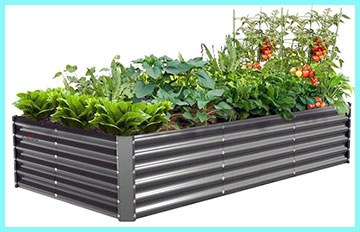
When I first decided to try Anleolife, I was admittedly skeptical.
The price point was significantly lower than the big-name brands, and I worried I would end up with flimsy metal that buckled under the weight of wet soil.
However, when the box arrived, I was pleasantly surprised by the sheer weight of the package. It didn’t feel cheap.
Unpacking the panels, the first thing that caught my eye was the “crimped” safety edge. Unlike other beds where you have to manually install a rubber strip to cover sharp metal, Anleolife panels have the top edge machine-folded over. This makes the assembly feel much more finished right out of the box.
Building it was a standard affair—lots of bolts and wingnuts. It wasn’t difficult, but it was repetitive. I recommend grabbing a podcast and a cold drink before you start. Once assembled, the 22-gauge steel felt incredibly rigid. I filled it with a heavy mix of topsoil and compost, and there was zero bowing. It felt like a tank.
Over the past few seasons, it has held up beautifully. The finish sheds water well, and I haven’t seen any signs of rust at the contact points with the soil. It feels like a utilitarian tool—built to work hard without the extra frills. If you are pragmatic about your garden, this bed speaks your language.
Read More: Comparison Of Fiskars And Corona Pruners
Pros Of Anleolife
- Integrated Crimped Safety Edge Design: This is arguably the standout feature of the Anleolife design philosophy. In the world of metal garden beds, the top edge is a critical safety point. Most manufacturers, even the high-end ones, leave a raw steel edge that requires a PVC or rubber strip to be pushed on manually. While those strips look fine initially, they are prone to cracking, fading in UV light, or simply getting knocked off when you are leaning over to pull weeds. Anleolife solves this permanently by folding the steel over itself at the top during the manufacturing process. This creates a smooth, rounded metal edge that is integral to the panel. It cannot fall off, it cannot degrade in the sun, and it provides a sleek, industrial look. When I am harvesting deep in the bed, I never have to worry about scratching my forearms on a loose piece of rubber or a sharp metal burr. It is a “set it and forget it” safety feature that adds significant long-term value.
- Exceptional Structural Rigidity With 22-Gauge Steel: One of the biggest fears with metal beds is “bowing”—where the sides bulge out once you fill them with thousands of pounds of wet soil. Anleolife addresses this by using 22-gauge steel, which is thicker than the 24 or 26-gauge metal often found in cheaper alternatives. The lower the gauge number, the thicker the metal. This thickness provides immense structural integrity. Even on the longer straight configurations, the walls remain straight and true without requiring internal bracing rods for standard heights. This rigidity gives the bed a feeling of permanence. If you accidentally hit the side with a wheelbarrow or a shovel, it absorbs the impact with a solid thud rather than a tinny clang or a dent. This durability suggests that the bed will maintain its shape for years, even as the soil settles and shifts through freeze-thaw cycles.
- High Cost-Effectiveness For Large Projects: If you are planning to replace an entire backyard garden or install multiple beds at once, the cost difference per unit becomes a massive factor. Anleolife offers a compelling balance of quality and price. While it may lack some of the fancy branding or exotic color options of its competitors, it delivers 95% of the functionality for a fraction of the cost. For a gardener who needs to buy four or five beds, the savings with Anleolife compared to premium brands could literally pay for the soil to fill them. It lowers the barrier to entry for raised bed gardening, allowing you to allocate your budget toward high-quality compost, seeds, and trellises rather than sinking it all into the container itself. It is the smart choice for the budget-conscious gardener who refuses to compromise on material strength.
Cons Of Anleolife
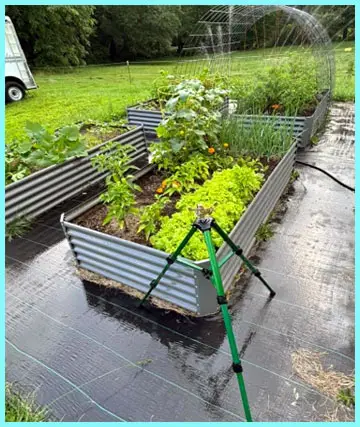
- Tedious Assembly With Standard Hardware: While the finished product is sturdy, getting there requires a bit of patience. Anleolife typically utilizes standard screws and wingnuts for assembly. Unlike some premium brands that might use specialized cap nuts or easier-to-handle fasteners, the wingnuts can be hard on your fingers after tightening a few hundred of them. If you are assembling a large 12-in-1 kit, you are looking at a significant amount of manual twisting. It is not difficult intellectually, but it is physically repetitive. I found that wearing gloves made it clumsy, but bare hands got sore. You might want to invest in a drill attachment or a wingnut driver to speed up the process. It is a one-time pain for a long-term gain, but the assembly experience is definitely less “polished” than the premium competitors.
- Limited Aesthetic And Color Options: If you are designing a garden to match a very specific exterior home color or landscape architect’s vision, you might find Anleolife’s palette somewhat restricting. They generally stick to the utilitarian classics: galvanized silver, a standard green, and maybe an ivory or grey. You won’t find the trendy colors like “British Green,” “Modern Beige,” or “Rusty Corten” look-alikes that are available elsewhere. The finish is durable, but it looks like a garden bed, not a piece of patio furniture. For many gardeners, this is perfectly fine—the plants are the star of the show, after all. However, if your garden is a high-visibility part of your outdoor living space and you want a specific “Pinterest-aesthetic” look, the limited color range might force you to look at more expensive brands.
- Lower Brand Recognition And Ecosystem: Anleolife is a solid manufacturer, but it doesn’t have the massive ecosystem of accessories that some other brands have built. When you buy into a brand like Vego, you often get access to custom-fitted worm composters, arched trellises, and cover systems designed specifically for those beds. With Anleolife, you are buying the bed. While standard universal accessories will likely work, you don’t get that seamless “plug-and-play” experience with add-ons. If you need a replacement part or a specific expansion panel years down the road, there is a lingering question about whether the exact model or color match will still be available, whereas larger brands tend to have more stability in their product lines over decades.
My Experience With Vego Garden
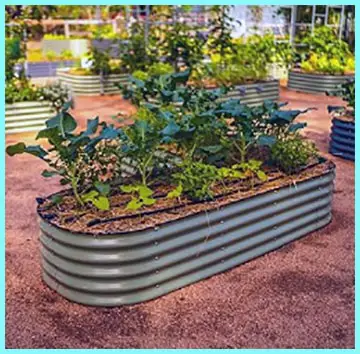
Switching gears to Vego Garden, the experience felt different from the moment the box arrived.
The branding is slick, and the packaging feels like you are opening a high-end electronic device rather than garden supplies.
The panels were protected with a plastic film that, while annoying to peel off, ensured the paint was flawless.
The first thing I noticed was the “Vego” difference in materials.
The Aluzinc steel has a specific texture and sheen that screams quality.
It feels modern. I opted for the olive green color, and it blended beautifully with my landscape—much better than the stark silver of my older beds.
Assembly was smoother than I expected. They use these cap nuts that are safer and easier to handle than standard wingnuts. I didn’t tear up my fingers putting it together. The modularity is also fantastic. I played around with three different shapes before settling on a U-shape that fit perfectly around my existing fruit tree.
Growing in the Vego bed has been a joy. The thermal regulation seems excellent; my soil warms up early in the spring but doesn’t cook the roots in the summer. The rubber safety strip, while something I have to maintain, does give it a soft, finished look that is very family-friendly. It feels like the “iPhone” of garden beds—sleek, user-friendly, and undeniably pretty.
Pros Of Vego Garden
- Advanced VZ 2.0 Material Technology: Vego Garden’s primary claim to fame is their proprietary VZ 2.0 steel material. This isn’t just galvanized metal; it is a specialized alloy of Zinc, Magnesium, and Aluminum. This chemical composition is engineered to resist corrosion significantly better than standard galvanized steel, especially in acidic soil environments or coastal areas with salty air. The addition of magnesium allows the material to “heal” itself if scratched, creating a new protective layer over the cut. For a gardener, this means peace of mind. You are investing in a product that is designed to last 20 years or more without rusting through. When you consider the effort required to empty and replace a raised bed, knowing that the material itself is scientifically superior makes the higher upfront cost feel like a smart long-term investment.
- Unmatched Modularity And Customization: Vego Garden beds are sold as modular kits (like the famous 9-in-1 or 10-in-1 sets).1 This means you don’t just buy a 4×8 box; you buy a set of straight and corner panels that can be assembled into nearly a dozen different configurations. This flexibility is a game-changer for fitting gardens into awkward spaces. Have a long, narrow side yard? Build a 2×10 bed. Have a square patio? Build a 4×4. This modularity allows you to be the architect of your garden. Furthermore, Vego sells extension kits, so if you decide next year that you want to make your bed longer, you can just buy a couple more panels rather than a whole new bed.2 This adaptability makes the system grow with your gardening hobby.
- Aesthetic Appeal And Color Variety: Let’s be honest, looks matter, especially if your garden is visible from your kitchen window or patio. Vego Garden has nailed the aesthetic aspect of gardening. Their color palette is curated to reflect modern design trends, offering soft, matte finishes in Earth tones like Sage Green, Olive Green, Cream, and Modern Grey. These beds are designed to be beautiful architectural features in your yard, not just soil containers. The paint is a high-quality, food-safe USDA-approved paint that resists fading. For urban gardeners or those with Homeowners Associations (HOAs) that are strict about appearances, the polished, premium look of a Vego bed can be the difference between getting approval and getting a fine. It elevates the visual value of your property.
Cons Of Vego Garden
- Premium Price Point: There is no getting around it—Vego Garden beds are expensive. You are paying for the brand, the marketing, the advanced materials, and the packaging. When you compare a Vego kit to a standard wooden bed or a budget metal option like Anleolife, the Vego can often cost 30% to 50% more. For a single bed, this might be manageable, but if you are looking to fill a 2,000-square-foot garden, the costs skyrocket into the thousands of dollars very quickly. This high entry price can be a barrier for new gardeners who aren’t sure if they will stick with the hobby. You have to be committed to the idea that this is a “forever” purchase to justify the sticker shock on your credit card statement.
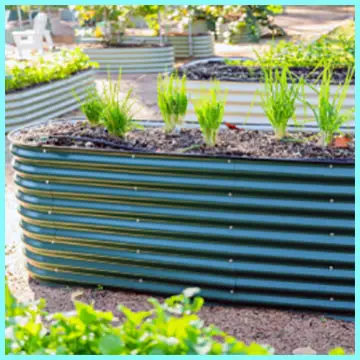
- Reliance On Rubber Safety Strips: Unlike Anleolife’s crimped edge, Vego beds typically use a raw metal edge on top that is covered by a heavy-duty rubber safety strip. While the strip provided is high quality and fits snugly, it is still a separate piece of plastic/rubber sitting in the sun. Over time, UV rays are undefeated. Eventually, that strip may become brittle, discolored, or loose. If it comes off, you are left with a thin metal edge that can be uncomfortable to lean on. While Vego sells replacements, it is an extra maintenance step that doesn’t exist with crimped-edge designs. Additionally, some gardeners find the installation of the strip to be the most frustrating part of the assembly, as it requires strong thumbs to press it down along the entire perimeter.
- Availability And Shipping Delays: Because Vego Garden has become so popular, they occasionally suffer from “success problems.” During peak gardening season (early spring), specific colors or popular sizes often go on backorder. It can be incredibly frustrating to have your soil delivered and your seedlings ready, only to be waiting weeks for your beds to ship. While their distribution has improved, they are still prone to supply chain hiccups that seem to affect the budget brands less often. If you are on a tight timeline to get your garden in the ground before the last frost date, the uncertainty of stock levels can be a significant stressor.
Also Read: Comparison Of Fox Farm Happy Frog And Ocean Forest
Frequently Asked Questions (FAQ)
There is no single “best,” but Vego Garden is widely considered the top premium choice for longevity and aesthetics, while Anleolife is an excellent “best value” choice for durability on a budget.
Both are premium brands using Aluzinc. Birdies is the original Australian brand and uses a slightly different assembly method with bolts and nuts. Vego is a newer company that innovated with modular “X-in-1” kits, offering more shape flexibility than the standard fixed-size Birdies kits.
Vego Garden is a US-based company (headquartered in Texas) that designs its products in America, but the manufacturing of the metal panels takes place in China to keep costs viable for the consumer market.
Thanks to the VZ 2.0 material (Zinc-Magnesium-Aluminum), Vego beds are designed to last 20+ years.3 Many users expect them to last even longer given the high corrosion resistance compared to wood or standard galvanized steel.
Conclusion
The choice between Anleolife and Vego Garden ultimately comes down to your budget and your desire for aesthetics.
You should choose Anleolife if you are a pragmatist who wants maximum growing space for your dollar. If you are filling a large allotment or a backyard farm and you value structural rigidity and permanent safety features (like the crimped edge) over color options, Anleolife is the smart play. It is a workhorse that will last for decades without demanding a premium price tag.
You should choose Vego Garden if you view your garden as an extension of your outdoor living space. If you want a bed that looks like a piece of designer furniture, matches your house’s trim, and offers the ultimate flexibility in shape, Vego is worth the splurge. The modularity and the self-healing material tech give it a slight edge in longevity and versatility, making it the ideal choice for the “forever garden.”