
I’ve always loved the idea of growing fresh herbs and veggies right in my kitchen, no matter the season. That’s why I decided to compare two popular hydroponic systems: AhopeGarden and AeroGarden. In this article, I share my personal take on which one stands out as the better choice in 2026, based on real hands-on use, features, performance, and value. Whether you’re a beginner or someone looking to upgrade your indoor setup, you’ll find a clear breakdown here to help you decide.
A Brief Comparison Table
| Feature | AhopeGarden | AeroGarden |
| Price Range | Affordable (often $50-100 for basic models) | Higher (typically $100-300+) |
| Pod Capacity | 10-12 pods standard, up to 60+ in larger units | 6-24 pods depending on model |
| Build Quality | Decent for price, some reports of pump issues | Premium, reliable components |
| Light System | Full-spectrum LED, adjustable height | Powerful, effective full-spectrum |
| Ease Of Use | Simple setup, LCD panel on many models | Very user-friendly with smart reminders |
| Availability In 2026 | Widely available, active company | Limited due to past closure, some relaunch |
| Best For | Budget users, more plants | Reliability seekers, premium experience |
| Overall Value | High | Good but costlier |
My Experience With AhopeGarden
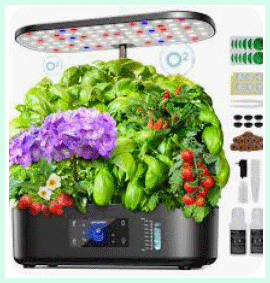
I picked up an AhopeGarden 12-pod model a while back because it fit my budget perfectly and promised to handle more plants than many competitors.
Right out of the box, the setup felt straightforward—I just added water, nutrients, popped in my seeds (basil, lettuce, and some cherry tomatoes), and adjusted the LED light height.
The transparent bowl lets me watch the roots develop, which is oddly satisfying and helps me spot issues early.
Over the months, I’ve harvested fresh basil for pesto multiple times, and the lettuce grew quickly enough for salads every week.
The LCD touch panel makes it easy to monitor water levels and set light cycles. It’s quiet, compact on my counter, and doesn’t take up much space.
Some folks mention pump reliability as a potential weak point, but mine has run smoothly so far. I appreciate how it supports taller plants with the adjustable arm—my tomatoes stretched up without much trouble.
What really won me over is the value. For the price, I get consistent growth, and the system feels modern without unnecessary extras.
I’ve tried generic seeds, and they sprout reliably. Maintenance stays low: refill water every week or so, add nutrients as needed, and prune when plants get bushy.
It’s become my go-to for quick herbs when cooking, and I feel good knowing I’m eating fresh produce grown right at home.
That said, it’s not flawless. The light intensity seems adequate but not as punchy as some pricier options, so larger veggies like peppers take a bit longer to thrive.
Still, for everyday use, it delivers solid results without breaking the bank. If you’re starting out or want more pods without spending a fortune, this system has impressed me.
Also read: Comparison of Midea And hOmeLabs Dehumidifier
Pros Of AhopeGarden
- Affordable Pricing — You get a full-featured system for a fraction of the cost of premium competitors, making it ideal if you want to experiment without a big investment.
- Higher Pod Capacity In Many Models — Options like 10-12 pods (or even larger vertical units) let you grow more varieties at once, perfect for diverse herb gardens or small veggies.
- User-Friendly Setup And Controls — The LCD panel and adjustable lights make it simple for beginners, with clear indicators for water and nutrients.
- Transparent Bowl Design — Watching roots grow adds a fun, educational element and helps with monitoring health.
- Good Growth Speed — Plants like lettuce and herbs mature quickly, often ready to harvest in 4-6 weeks with proper care.
- Compact And Versatile — Fits well on counters or shelves, and the adjustable height accommodates taller plants as they grow.
- Active Support And Availability — Replacement parts, nutrients, and accessories are easy to find since the company remains operational.
- Custom Seed Flexibility — Works well with your own seeds or generic pods, giving you more options than proprietary systems.
- Low Ongoing Costs — Nutrients last long, and water usage stays efficient in the recirculating system.
- Positive Real-User Feedback — Many report reliable performance for everyday growing, especially in budget categories.
Cons Of AhopeGarden
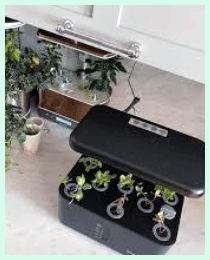
- Variable Build Quality — Some users experience pump failures or leaks over time, though not everyone does.
- Light Intensity May Be Weaker — Compared to higher-end models, the LEDs work well but might not push larger fruiting plants as aggressively.
- No Advanced Smart App — Lacks integrated app control for remote monitoring, which some premium systems offer.
- Potential Algae Issues — The transparent design looks cool but can encourage algae if not managed with covers or proper placement.
- Limited Accessories — Fewer official trellises or add-ons compared to established brands, so you might improvise.
- Noise From Pump — It’s generally quiet, but some notice a slight hum in quiet rooms.
- Warranty Experiences Vary — Customer service is praised by many, but responses can differ depending on the issue.
- Not Ideal For Very Large Plants — While height adjusts, massive veggies might outgrow the space faster than in bigger systems.
- Initial Setup Tweaks — A few report needing to tape holes or adjust components out of the box.
- Growth Consistency Depends On Seeds — Results shine with quality seeds but can falter with low-quality ones.
Maintenance Tips For AhopeGarden
- Regular Water Checks — Refill when the level drops below the line, usually every 1-2 weeks, to keep roots submerged.
- Nutrient Balance — Add liquid nutrients every two weeks or as the panel indicates to prevent deficiencies.
- Light Adjustment — Raise the LED arm as plants grow to avoid burning leaves and ensure even coverage.
- Clean The Bowl — Empty and rinse every few months to prevent buildup and algae.
- Prune Regularly — Trim overgrown plants to encourage bushier growth and better airflow.
- Monitor Roots — Use the transparent bowl to spot any rot early and remove affected plants.
- Use Quality Water — Filtered or dechlorinated water helps avoid mineral issues.
- Ventilation — Place in a spot with some air movement to reduce mold risk.
- Seed Selection — Choose fast-growing varieties like herbs for best results.
- Backup Pump — Consider keeping a spare if you plan long-term use.
My Experience With AeroGarden
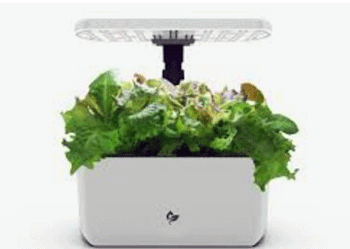
Years ago, I owned a couple of AeroGarden models, including a Bounty and a Harvest Elite.
They were my introduction to hydroponics, and honestly, they set a high bar.
The setup was foolproof—pre-seeded pods clicked in, the digital display guided me with reminders for water and food, and the lights were bright enough to make plants explode with growth.
My basil and mint grew lush and flavorful in record time, and the vacation mode was a lifesaver when I traveled.
The build felt sturdy, the pump was reliable, and the overall design looked sleek on the counter. I loved the smart features that made it feel almost hands-off.
Unfortunately, the company faced challenges and announced a closure in late 2024, effective January 2025.
While there was a partial relaunch in spring 2025, availability of new units, replacement pods, and support became spotty. Parts are harder to find now, and that uncertainty makes it riskier for new buyers.
Existing owners can keep using their systems (many still work great), but getting fresh seed kits or repairs isn’t as straightforward.
In my time with it, AeroGarden excelled in performance and user experience, but the current landscape shifts the equation.
If you already have one, stick with it—it’s proven. For someone buying fresh today, the ecosystem feels less secure compared to active brands.
Read more: Comparison of Behr Cabinet & Trim And Urethane Alkyd Enamel
Pros Of AeroGarden
- Proven Reliability — Built tough with consistent performance over years for many owners.
- Excellent Light System — Powerful full-spectrum LEDs promote fast, healthy growth.
- Intuitive Interface — Digital reminders and modes (like vacation) make it extremely beginner-friendly.
- Premium Seed Pods — Proprietary pods often germinate reliably with great results.
- Quiet Operation — Pumps and systems run smoothly without much disturbance.
- Sleek Design — Looks attractive as a countertop piece.
- Strong Past Support — When active, the company offered solid warranty and parts.
- Versatile Models — Options from small to large fit different needs.
- Fast Germination — Many users report quicker sprouts than competitors.
- Community Knowledge — Tons of tips and hacks from longtime users.
Cons Of AeroGarden
- Company Instability — Past closure and uncertain relaunch make new purchases risky.
- Higher Cost — Units and pods cost more upfront and ongoing.
- Limited Pod Options Now — Harder to source official seeds or replacements.
- Lower Capacity In Some Models — Basic ones max at 6-9 pods.
- Proprietary System — Less flexibility with custom seeds.
- Potential App Issues — Future support for smart features is unclear.
- Space For Larger Plants — Some models limit taller growth.
Maintenance Tips For AeroGarden
- Follow Reminders — Pay attention to the display for water and nutrient alerts.
- Clean Pump Filter — Rinse it periodically to maintain circulation.
- Adjust Lights — Use the built-in controls to optimize for plant type.
- Vacation Mode — Activate when away to conserve resources.
- Pod Management — Replace spent pods promptly.
- Water Quality — Use distilled or filtered to minimize scale.
- Pruning — Keep plants trimmed for health.
- Sensor Checks — Wipe sensors if readings seem off.
- Firmware Updates — Apply if available during relaunch periods.
- Storage — Drain and dry when not in use.
Comparison With Other Brands
- Vs LetPot — LetPot offers similar app features and more plants in some models, often with better reliability reports than budget options.
- Vs Click & Grow — Click & Grow uses smart soil pods for easier maintenance but costs more and limits hydroponic flexibility.
- Vs iDOO — iDOO is another budget choice, but many prefer AhopeGarden for better customer service and fewer leaks.
- Vs Gardyn — Gardyn excels in large-scale vertical growing but requires more space and investment.
- Vs RiseGarden — RiseGarden focuses on premium features and higher yields, ideal for serious growers.
- Overall Market — AhopeGarden stands out for value, while AeroGarden holds legacy appeal despite challenges.
Frequently Asked Questions (FAQ)
Many users point to AhopeGarden for its strong value and performance in 2026, though preferences vary by needs.
They can fit in some cases but often don’t sit flush; compatibility isn’t guaranteed.
AhopeGarden is a brand offering affordable hydroponic indoor growing systems for herbs, veggies, and more.
It announced closure in late 2024 but saw a partial relaunch in 2025; availability remains limited.
Conclusion: For Both Products
I’ve grown to appreciate what each brings to the table, but if I had to choose one today, AhopeGarden edges out as the better option for most people. It delivers reliable results at a great price, with more flexibility and ongoing support. If you already own an AeroGarden and it’s working well, keep enjoying it—those systems are built to last. But for a new purchase, go with AhopeGarden and start growing your own fresh produce with confidence. You won’t regret the fresh flavors it adds to your meals!