
We all know the feeling of stepping out of the shower only to feel like our skin is tighter than a drum and our hair is basically straw. You spend a fortune on conditioners, serums, and body lotions, trying to undo the damage, but you rarely stop to think that the water itself might be the culprit. I was in that exact boat—blaming my shampoo for my frizz and my moisturizer for failing my dry skin—until I started seeing ads for the Afina Shower Filter. It promises to transform your daily rinse into a spa-like experience by filtering out the chlorine and heavy metals that wreak havoc on your body. But with a price tag significantly higher than the generic filters you see at the hardware store, is it actually an upgrade, or just a pretty piece of plastic?
In this review, I am going to walk you through a complete breakdown of the Afina Shower Filter, from the unboxing experience to the long-term results on my hair and skin. I will compare it directly to the viral competitors you see on social media and give you the honest truth about its maintenance and performance. Whether you are dealing with hard water, city chlorine, or just want to upgrade your bathroom aesthetic, this guide will help you decide if Afina is the right choice. For those ready to make the switch, the best place to buy the authentic Afina unit is directly through their official website to ensure warranty coverage, though it is occasionally available on major online retailers.
My Experience With Afina Shower Filter
I live in a city where the water smells like a swimming pool on most days. The chlorine levels are high enough that I could smell it on my skin after drying off, and my scalp was constantly itchy no matter what “gentle” shampoo I used. I had tried the cheap, bulky inline filters before—the ones that look like a soda can stuck to your pipe—but they always ruined my water pressure and leaked after a month. When I saw the Afina, specifically the A-01 Filtered Shower Head model, I was intrigued by the design. It didn’t look like an industrial add-on; it looked like a high-end fixture.
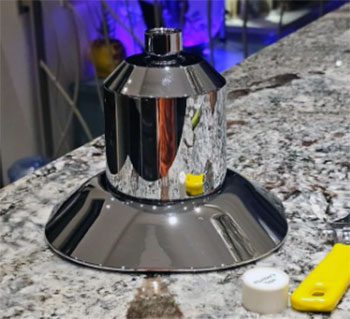
Ordering was straightforward, and when the box arrived, I was impressed by the packaging.
It felt premium, similar to unboxing a new smartphone. The unit I chose was the Polished Chrome finish to match my existing bathroom hardware. Taking it out of the box, the first thing I noticed was the weight.
It felt substantial, not flimsy, which is always a concern with modern plumbing fixtures.
The kit came with everything I needed: the showerhead itself, the pre-installed filter cartridge, a roll of plumber’s tape, and a small wrench.
Installation took me exactly four minutes, and I am by no means a plumber. I unscrewed my old, calcified showerhead, cleaned the threads of the shower arm, wrapped the new tape around it, and twisted the Afina on. I hand-tightened it as instructed to avoid cracking the plastic threads inside the housing. When I turned the water on, I braced myself for the usual drizzle that comes with filtered heads. To my surprise, the pressure was fantastic. The faceplate has these micro-nozzles that seem to accelerate the water, creating a spray that feels powerful yet soft—almost like a very dense mist but with enough force to rinse out conditioner quickly.
The first shower was noticeably different, primarily because of the smell—or rather, the lack of it. That distinct bleach scent was completely gone. It wasn’t an overwhelming “fresh” scent; it was just neutral, clean water. Over the next two weeks, the changes became more physical. My skin, which usually starts itching five minutes after I towel off, felt calm. I didn’t feel the immediate need to slather on lotion.
By the end of the first month, the biggest change was in my hair. I have color-treated hair that tends to get brassy and brittle very quickly. With the Afina, my color seemed to stay vibrant for longer, and the texture was softer. I wasn’t fighting with tangles as much, and the frizz halo that usually appears once my hair dries was significantly tamed.
However, it wasn’t a flawless experience. About six weeks in, I noticed a very slight dip in water pressure. It wasn’t drastic, but it was noticeable compared to day one. I realized that our hard water sediment was likely clogging the fine mesh screen. I had to unscrew the head, rinse out the intake screen, and put it back on, which fixed the issue immediately. Also, the showerhead is quite large. If you have a small shower stall or a low ceiling, it might feel a bit imposing, but for a standard tub, it looks great.
Overall, using the Afina felt like a legitimate upgrade to my daily routine. It didn’t just filter the water; it improved the actual shower experience with its spray pattern. While the maintenance is a bit more frequent than I’d like due to my local water quality, the trade-off for healthy skin and better hair days has been absolutely worth it.
Read More: My YThoughts On Kohler Tellin Shower Head
Pros Of Afina Shower Filter
When you are spending this much on a bathroom fixture, you want to know it is doing more than just looking good. After testing it extensively and researching the filtration technology, several distinct advantages set Afina apart from the budget options. Here are the specific benefits that make this filter a strong contender.
- Superior Filtration With KDF-55 Technology: The core of any filter is the media it uses, and Afina doesn’t skimp here. They utilize KDF-55 (Kinetic Degradation Fluxion) combined with calcium sulfite and activated carbon. This is the gold standard for hot water filtration because KDF-55 is specifically designed to function at high temperatures where standard carbon filters often fail. It effectively creates an electrochemical reaction that neutralizes chlorine, converting it into harmless chloride. This means you are getting protection against not just chlorine, but also heavy metals like lead, mercury, and copper, which can leach from old plumbing. The addition of calcium sulfite further boosts chlorine removal, ensuring that even in super-chlorinated city water, you are protected.
- Exceptional Water Pressure Design: The biggest fear with shower filters is that they will turn your powerful stream into a sad trickle. Afina has engineered their faceplate with laser-cut micro-nozzles that increase the velocity of the water. Even though the water is passing through a dense filter cartridge, the output pressure feels significantly stronger than many standard showerheads. This “air-induction” style feel gives you a luxurious, high-pressure experience without actually using more water. For people with thick hair who struggle to rinse out shampoo, this design is a game-changer because it cuts down rinse time while still providing filtered water.
- Aesthetic and Functional Design: Unlike the “coke can” inline filters that you screw between your pipe and your old showerhead, the Afina is an all-in-one unit. It looks sleek, modern, and intentional, rather than like a clunky add-on that ruins your bathroom’s vibe. It comes in popular finishes like Polished Chrome, Brushed Nickel, and Matte Black, allowing you to match it perfectly with your existing fixtures. The unit is also designed for easy angle adjustment with a smooth ball joint, so you can position the spray exactly where you need it. It elevates the look of the shower instantly, making it feel like a hotel bathroom.
- Tangible Beauty Benefits: The impact on hair and skin health is the primary reason to buy this, and it delivers. By removing chlorine, which is an oxidizer that strips natural oils, the Afina allows your body to retain its own moisture. Users consistently report that their hair feels lighter, softer, and cleaner because there is no mineral or chemical residue weighing it down. For those with eczema, psoriasis, or sensitive skin, removing these irritants can lead to a significant reduction in flare-ups and itchiness. It acts as a beauty tool just as much as a health device, potentially saving you money on expensive repair creams and hair masks.
Cons Of Afina Shower Filter
While I am a fan of the product, transparency is key. There are legitimate downsides to the Afina system that might make it unsuitable for certain households or budgets. Here are the limitations you need to be aware of before purchasing.
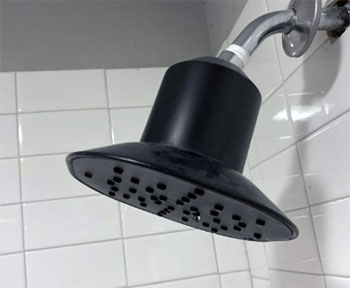
- Higher Initial and Ongoing Cost: There is no getting around the fact that Afina is a premium product with a premium price tag. The initial unit costs significantly more than the $30 filters you find on Amazon, which can be a barrier for many. Furthermore, the recurring cost of the replacement cartridges adds up over time. Since you cannot clean and reuse the internal filter media, you are locked into a subscription cycle or manual repurchasing every few months. If you are on a tight budget, adding a permanent line item for “shower filters” might feel excessive compared to just buying a cheaper moisturizer.
- Plastic Construction of Internal Threads: While the exterior looks like polished metal, the internal components and threads are often made of high-grade plastic (ABS). This is common in the industry to prevent rust, but it presents a durability concern during installation. If you are not careful and cross-thread the unit when screwing it onto the shower arm, you can strip the plastic threads, rendering the whole unit useless. Metal-on-plastic connections require a delicate touch, and if you tend to over-tighten things, you risk cracking the housing. Some users prefer solid brass connections for longevity, which you don’t get here.
- Does Not Soften Water (Technically): This is a massive point of confusion that leads to negative reviews for almost every shower filter brand. The Afina filter removes contaminants like chlorine and dirt, but it does not remove dissolved minerals like calcium and magnesium (TDS) that cause “hard water.” A true water softener requires a large tank with salt and ion exchange resin, which cannot fit in a showerhead. If your main issue is severe limescale buildup on your glass doors or water spots, this filter will not solve that problem. It changes the chemical structure of the minerals to prevent them from sticking to your hair, but the minerals are technically still in the water.
- Filter Lifespan in High-Use Households: The advertised lifespan of the filter is usually around 2 to 3 months, but this varies wildly based on usage. If you have a family of four taking daily showers, you might find the filter degrading in as little as 4 to 6 weeks. Once the filter is saturated, the water pressure drops noticeably, and the chlorine smell returns. This means larger families will be changing the cartridge much more frequently than a single user, doubling or tripling the maintenance cost. You have to be vigilant about the replacement schedule, or you risk showering in dirty water again.
Maintenance Tips For Afina Shower Filter
Maintaining your Afina filter is not just about swapping the cartridge; it is about ensuring the entire unit functions correctly to give you the best water quality. Here are detailed tips to keep your system running smoothly.
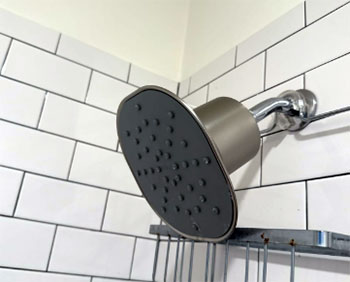
- Establish a Strict Replacement Schedule: The effectiveness of KDF-55 and carbon relies on the surface area of the media not being clogged. You should mark your calendar or set a recurring reminder on your phone for every 60 to 90 days. Do not wait until the water pressure drops or you smell chlorine; by then, the filter has likely been ineffective for weeks. If you have very hard water or old pipes with lots of sediment, you may need to change it as often as every 45 days. Consistency is the only way to ensure you are actually getting the benefits you paid for.
- Flush the Filter Before First Use: When you install a new cartridge, there will be some loose carbon dust inside the unit. You must run the shower on hot water for at least 2 to 3 minutes before jumping in. This flushes out the “fines” (black dust) and activates the media. If you skip this, you might get a burst of black water on your face or stain your shower curtain. It also helps to settle the media inside the cartridge so that water flows through it evenly rather than channeling down the sides.
- Clean the Micro-Nozzles Regularly: The fine nozzles that create that amazing pressure are also prone to clogging if you have hard water. If you notice the spray pattern going rogue (shooting off in random directions), it means calcium has built up. You can gently rub the silicone nozzles with your thumb to break up the deposits—this is a “rub-clean” feature. For deeper cleaning, remove the showerhead and soak the faceplate in a bowl of white vinegar for 30 minutes to dissolve the mineral scale. Do not use harsh chemical cleaners like bleach on the faceplate, as it can damage the finish.
- Inspect O-Rings and Washers: Every time you change the filter cartridge, take a second to look at the black rubber O-rings. These seals prevent water from squirting out the sides of the housing. Over time, rubber can dry out or get pinched. If they look cracked or flattened, replace them immediately (you can usually find standard sizes at a hardware store). Applying a tiny bit of silicone plumber’s grease to the O-rings can keep them supple and ensure a watertight seal, preventing those annoying drips that run down the hose.
Comparison with Other Brands
The shower filter market is incredibly competitive, with several brands fighting for the top spot. Here is how the Afina A-01 stacks up against three of its biggest rivals.
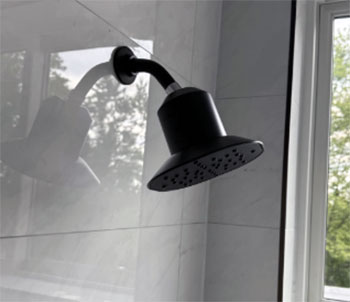
- Jolie Filtered Shower Head: Jolie is perhaps the most direct competitor, targeting the same “beauty/wellness” demographic with a very similar design. Comparison: The Jolie and Afina are almost identical in terms of filtration technology (KDF-55 + Calcium Sulfite). However, Jolie tends to be slightly more expensive upfront and has a higher cost for subscription refills. Afina offers a comparable aesthetic and performance but usually at a better value point for the replacement filters. Jolie has arguably better marketing and a wider range of “trendy” colors, but regarding the actual water science, they are neck-and-neck. If you want to save a few dollars a year on refills without sacrificing quality, Afina is the smarter economic choice.
- AquaBliss SF100 (Inline Filter): AquaBliss is the king of the “add-on” filter market. It is a canister that screws onto your existing pipe, and you attach your own showerhead to it. Comparison: AquaBliss is significantly cheaper and allows you to keep your current showerhead if you really love it. However, it adds about 4 inches of length to your shower arm, which can make the showerhead sit too low for tall people. Afina is an integrated unit, so it doesn’t lower the head height as much and looks far more streamlined. Performance-wise, AquaBliss is excellent, but it is bulky and utilitarian. Choose AquaBliss for function and budget; choose Afina for form, aesthetics, and an all-in-one solution.
- Brondell VivaSpring: This is another integrated filtered showerhead that comes in at a lower price point than Afina. Comparison: The VivaSpring is a solid budget option that looks decent, but the filtration area is smaller. Because the filter sits inside the handle or the head in a more compact way, it often has a shorter lifespan and less media volume than the Afina. Users often report that the VivaSpring pressure is good, but the “filtered feel” fades faster. Afina’s cartridge is more robust, offering a more consistent heavy-duty filtration experience. If you are equipping a guest bathroom or are on a strict budget, VivaSpring is fine, but Afina is better for a primary shower.
Also Read: My Thoughts on Muravai Shower Head
Frequently Asked Questions (FAQ)
Generally, no. The Afina is designed with high-velocity micro-nozzles that actually boost the feeling of pressure. While the filter media does create some physical resistance, the engineering of the faceplate compensates for this, often resulting in a stronger spray than standard low-flow heads. However, if the filter gets clogged with sediment, pressure will drop, indicating it is time for a change.
No, it does not remove dissolved minerals like calcium and magnesium (Total Dissolved Solids). It is a filter, not a water softener; true softening requires a salt-based ion exchange system. However, it changes the chemical structure of these minerals so they are less likely to stick to your hair and skin, often reducing the “feeling” of hard water.
The manufacturer recommends replacing the cartridge every 60 days (2 months) for optimal performance. This can vary based on your household size; a single person might get 3-4 months, while a family of four might need to change it every 6 weeks. Trust your senses: if the chlorine smell returns or flow decreases, change it immediately.
Yes, it is designed for tool-free installation and fits all standard US shower arms (1/2 inch NPT threads). You simply unscrew your old head, apply the included plumber’s tape, and screw the Afina on by hand. It typically takes less than 5 minutes and requires no professional plumbing help.
Conclusion
The Afina Shower Filter is more than just a bathroom accessory; it is a legitimate investment in your personal care routine. By effectively removing harsh chlorine and impurities, it addresses the root cause of many skin and hair issues that expensive products simply mask. While the price point and maintenance costs are higher than generic alternatives, the combination of sleek design, robust KDF-55 filtration, and excellent water pressure makes it a standout choice in the wellness market.
If you are tired of dry skin, brittle hair, and smelling like a swimming pool, Afina offers a sophisticated and effective solution. It bridges the gap between industrial filtration and luxury home decor. For those ready to upgrade their daily shower from a chore to a rejuvenating ritual, the Afina A-01 is undoubtedly worth the investment.