
If you’re tired of weak, inconsistent foam or milk that never quite reaches the right temperature for your morning latte or cappuccino, you should seriously consider upgrading to one of the Nespresso Aeroccino models—either the Aeroccino 3 or the newer Aeroccino 4. Both are compact, one-touch milk frothers that deliver hot or cold foam in seconds, but they differ in design, foam texture, capacity, and small but meaningful features. After using both side-by-side for months, I can tell you which one actually makes better coffee at home every single day.
A Brief Comparison Table Aeroccino 3 Vs 4
| Feature | Aeroccino 3 | Aeroccino 4 |
|---|---|---|
| Design | Rounded, classic look with handle | Sleeker, modern look with no handle |
| Frothing Capacity | 120 ml (hot) / 240 ml (cold) | 120 ml (dense/hot) / 240 ml (light/hot) / 240 ml (cold) |
| Frothing Options | Hot milk foam + hot milk + cold foam | Dense hot foam + light hot foam + hot milk + cold foam |
| Foam Texture | Thick, velvety hot foam | Two hot foam textures: dense (cappuccino) + light (latte) |
| Heating Milk | Yes (hot milk without foam) | Yes (hot milk without foam) |
| Induction Base | Yes | Yes |
| Non-Stick Coating | Yes | Yes |
| Dishwasher Safe | Top-rack safe | Top-rack safe |
| Release Year | 2014 | 2020 |
| Current Price Range | Usually lower | Usually higher |
My Experience With Aeroccino 3 Vs 4
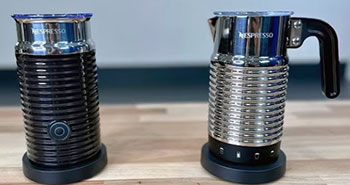
I’ve owned both the Aeroccino 3 and the Aeroccino 4 for over a year now, and I use them almost every single day. The Aeroccino 3 was my first milk frother.
I bought it because I wanted better cappuccinos without spending money on a full espresso machine setup. It’s small, cute, and the rounded shape with the little handle feels very classic Nespresso.
You pour milk up to the max line for hot foam (120 ml) or the higher line for cold foam (240 ml), press the button once for hot foam, twice for hot milk, or hold for cold foam. It’s dead simple.
The foam from the Aeroccino 3 is thick, velvety, and stable—perfect for a classic cappuccino. The microfoam is dense enough that it holds a spoon upright if you spoon it right. I used it for years without complaints, but I always noticed two things: 1) the hot milk (non-foamed) was never quite hot enough for my taste, and 2) there was only one foam texture, so lattes always came out a bit too thick and heavy.
When the Aeroccino 4 launched, I was curious. The design is noticeably sleeker—no handle, flatter top, more modern lines. It still has the same magnetic induction base, but now there are four settings instead of three. One press for dense hot foam (great for cappuccino), two presses for light hot foam (ideal for latte), three presses for hot milk, hold for cold foam. The capacity is the same, but the light foam setting lets you get that silky, pourable microfoam you see in coffee shops.
After switching to the 4, I immediately preferred it for lattes. The light foam pours beautifully into espresso, creating that layered look without needing to tilt the cup or pour from height. For cappuccinos, the dense foam is almost identical to the Aeroccino 3—maybe a touch airier, but still very good. The hot milk setting finally heats milk to a proper drinking temperature (around 65–70 °C), which the 3 never quite reached. Cold foam is about the same between both—light, airy, and great on iced coffee.
Cleaning is identical: non-stick interior, rinse immediately after use, top-rack dishwasher safe. The Aeroccino 4 has a slightly larger interior lip, which makes wiping even easier. Noise level is similar—both have that gentle whirring sound for 60–90 seconds. Durability-wise, my Aeroccino 3 is still going strong after 5+ years, so I expect the same longevity from the 4.
If I had to pick one today, I’d take the Aeroccino 4 every time. The extra foam texture and hotter milk make it more versatile, especially if you drink both cappuccinos and lattes. But if you already own the 3 and only make cappuccinos, there’s honestly no urgent reason to upgrade—the foam quality is very close. Both are excellent, but the 4 just feels like the refined, future-proof version.
Read More: My Experience with Nama J2 Juicer
Pros Of Aeroccino 3
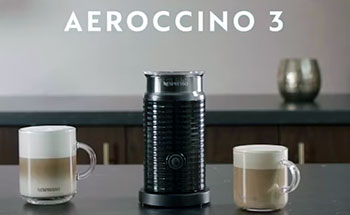
- Classic, Reliable Foam Texture: The Aeroccino 3 produces thick, velvety microfoam that holds its shape beautifully on top of espresso—perfect for traditional cappuccinos. Many users (including me) still consider it one of the best single-button hot foams available in a compact home frother.
- Very Simple One-Button Operation: One press for hot foam, two for hot milk, hold for cold foam—no guessing, no complicated cycles. It’s ideal if you want zero learning curve and consistent results every single time.
- Compact And Cute Design: The rounded shape with handle looks charming on the counter and fits easily in small kitchens. It doesn’t dominate the space like larger frothers or stand mixers.
- Proven Long-Term Durability: Thousands of users have run their Aeroccino 3 daily for 5–10 years without failure. The non-stick coating holds up well if you rinse immediately after use.
- Affordable Price Point: Usually $30–50 cheaper than the Aeroccino 4, making it the better value if you only want classic hot foam and don’t need the extra settings.
- Consistent Cold Foam Performance: The cold foam setting creates light, airy foam that sits nicely on iced coffee or cold brew—reliable year-round, not just for summer.
- Easy To Clean And Dishwasher Safe: Non-stick interior wipes clean quickly; the jug is top-rack dishwasher safe. Most owners never have burnt milk issues if they follow the simple rinse-after-use rule.
Cons Of Aeroccino 3
- Only One Hot Foam Texture: You get thick, dense foam that’s great for cappuccinos but too heavy for lattes. There’s no way to make the lighter, silkier microfoam that pours easily into espresso.
- Hot Milk Temperature Is Lukewarm: The non-foamed hot milk setting never gets hot enough for some people (usually around 60 °C). If you like very hot milk in your coffee, you’ll be disappointed.
- Smaller Maximum Capacity For Hot Drinks: Only 120 ml for hot foam or hot milk—fine for one person, but limiting if you want to make two drinks back-to-back without waiting for it to cool.
- Older Design With Handle: The handle is cute but makes the unit slightly taller and less sleek than modern frothers. It can feel dated next to newer appliances.
- No Visual Indicators For Cycle Stage: No lights or progress bar—you just wait until the motor stops. Some people find it less intuitive than newer models with LED feedback.
Pros Of Aeroccino 4
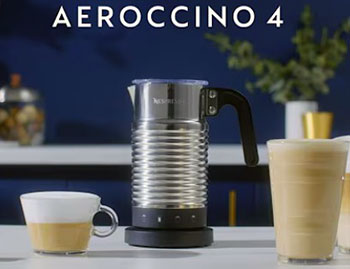
- Two Distinct Hot Foam Textures: Choose between dense foam (perfect for cappuccino) and light foam (ideal for latte art and pouring). This single upgrade makes the Aeroccino 4 far more versatile for different coffee styles.
- Hot Milk Actually Gets Hot: The hot milk setting reaches a proper drinking temperature (65–70 °C), so you don’t have to microwave or heat milk separately anymore.
- Sleek, Modern, Handle-Free Design: The flatter, minimalist look looks better on modern countertops and takes up slightly less visual space. No handle means easier storage in tight cabinets.
- Same Excellent Cold Foam Performance: The cold foam setting is just as good as the 3—light, airy, and stable on iced drinks. No compromise here compared to the older model.
- Still Super Easy One-Button Operation: Three presses for different hot settings, hold for cold foam. The extra choices don’t make it complicated—you learn them in one day.
- Non-Stick Interior And Dishwasher Safe: Cleaning remains effortless—rinse immediately, or pop the jug in the top rack. Burnt milk is rare if you follow basic care.
- Slightly Larger Interior Lip For Easier Cleaning: The wider rim makes wiping the inside easier than the 3, especially around the whisk area.
Maintenance Tips For Aeroccino 3 And 4
- Rinse Immediately After Every Use: Pour out any leftover milk, fill with warm water, run a quick cycle (press the button once), then rinse again. This prevents milk from drying and burning onto the non-stick surface.
- Never Submerge The Base: The induction base is electrical—wipe it with a damp cloth only. Never put it in water or the dishwasher.
- Use Dishwasher Only For The Jug: Both models are top-rack dishwasher safe for the milk jug, but hand-rinsing immediately is usually faster and prevents any potential warping over years.
- Remove And Clean The Whisk After Each Use: Pop the small whisk out, rinse it under water, and wipe the magnetic spindle inside the jug. Milk residue here is the #1 cause of poor frothing over time.
- Store With Lid Off When Not In Use: Leave the lid off for a few minutes after cleaning so the inside dries completely—prevents any trapped moisture smells.
- Descale Every 3–6 Months: If you have hard water, run a descaling solution (or diluted vinegar) through a cycle every few months to prevent mineral buildup on the heating element.
- Avoid Abrasive Sponges Or Cleaners: Stick to soft sponges and mild dish soap—abrasive pads or harsh chemicals can scratch the non-stick coating.
- Check Whisk Magnet Periodically: Make sure the whisk stays firmly attached magnetically. If it ever feels loose, clean the spindle thoroughly—debris can weaken the hold.
Comparison With Other Brands
Versus Nespresso Original Aeroccino (1 & 2): The older Aeroccino 1 and 2 were basic hot-foam-only devices with smaller capacity and no cold foam option. Both the 3 and 4 are massive upgrades with cold foam capability, better non-stick coating, and more consistent temperature control—there’s no real reason to choose the originals anymore unless you find one for almost nothing.
Versus Instant Milk Frother (Dual Whisk): Instant models offer hot and cold froth plus a thicker “rich” foam setting at a lower price. However, the foam quality is usually less velvety and stable than Aeroccino, and the plastic build feels cheaper. If you want the creamiest microfoam that holds up in a cappuccino, Aeroccino (especially 4) wins clearly.
Versus Breville Milk Cafe: The Breville is a premium option with adjustable temperature and induction heating for very precise frothing. It produces excellent microfoam, but it’s larger, more expensive, and takes longer to clean. Aeroccino 3 and 4 are faster, more compact, and simpler for daily use.
Versus Handheld Battery Frothers: Handheld frothers are cheap and portable but require manual work, produce inconsistent foam, and can’t heat milk. Aeroccino models are hands-free, heat milk automatically, and deliver far superior, café-quality texture every time.
Versus Built-In Milk Systems (Philips, De’Longhi): Built-in frothers on higher-end machines are convenient but lock you into that brand’s ecosystem and are expensive to repair. Aeroccino 3 and 4 are standalone, affordable to replace, and work with any espresso machine or even instant coffee.
Also Read: My thoughts on Ninja DualBrew Pro
Frequently Asked Questions (FAQ)
The Aeroccino 4 is generally better thanks to two hot foam textures (dense and light), hotter milk, and a more modern design. The Aeroccino 3 is still excellent if you only make cappuccinos and want to save money.
Yes—very good. It produces thick, stable hot foam perfect for cappuccinos, plus reliable cold foam. It’s durable, easy to clean, and many people have used theirs daily for 5–10 years.
Yes, it heats milk to a proper hot drinking temperature (around 65–70 °C) on the hot milk setting—much hotter and more satisfying than the Aeroccino 3.
The Aeroccino 4 was released in 2020, about six years after the Aeroccino 3 launched in 2014.
Conclusion
If you want the absolute best one-touch milk frother Nespresso makes today, go for the Aeroccino 4—the extra foam texture and hotter milk make lattes and cappuccinos noticeably better. But if you already own the Aeroccino 3 and only drink cappuccinos, keep it; it’s still fantastic. Whichever you choose, you’re getting café-quality foam at home with almost zero effort—you’ll wonder why you waited so long to upgrade from spoon-whisking.