
If you have been scrolling through social media lately, you have likely been targeted by ads for the Acemend Leg Massager (specifically the “Cleanse 4-in-1” model). It promises to be the ultimate solution for restless legs, varicose veins, and post-workout recovery, all in a sleek, handheld device that looks vastly different from the bulky compression boots of the past. You are probably wondering if this futuristic-looking wand can actually deliver a deep tissue massage or if it is just another drop-shipped gadget destined for the junk drawer.
In this comprehensive review, I am going to walk you through everything you need to know about the Acemend Leg Massager. We will dig into the reality behind its “4-in-1” claims, analyze the customer service horror stories that seem to plague the brand, and see how it actually stacks up against trusted industry titans. My goal is to help you decide if this budget-friendly option is a hidden gem or a risky gamble for your hard-earned money.
My Experience With Acemend Leg Massager
I decided to order the Acemend Leg Massager after a particularly grueling week of training left my calves feeling like cement blocks. I had seen the ads pop up on my feed incessantly, showing smiling people getting instant relief from this compact, cordless device. The idea of not being tethered to a wall outlet like with my old compression boots was incredibly appealing. I placed the order, hoping for a quick solution to my leg fatigue.
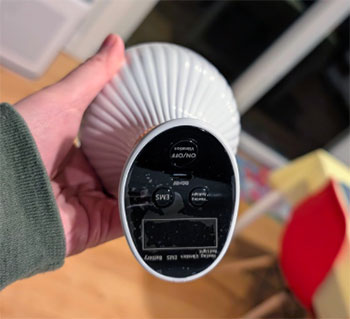
The first hurdle was the shipping. It took significantly longer than the “fast shipping” implied on the checkout page.
I found myself checking the tracking number daily, only to see it stuck in transit for nearly two weeks.
When it finally arrived, the packaging was underwhelming—a simple box that looked a bit battered from its long journey.
Taking the device out, I was surprised by how lightweight it was. It didn’t have the heft I associate with high-power massage tools.
It felt very plastic, almost toy-like. I charged it up using the included USB cable, which took about 3 hours to get to a full battery.
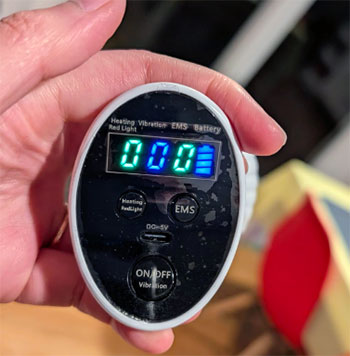
My first session was… confusing. The device claims to have 19 gears and 4 modes (vibration, heat, kneading, compression). Navigating these settings with the touch interface was a bit finicky; I kept accidentally switching modes when I was just trying to adjust the intensity. When I finally got it going on my calf, the sensation was strange. It wasn’t the deep, rhythmic squeeze of an air compression boot, nor was it the percussive punch of a massage gun. It was more of a surface-level vibration mixed with a very mild electrical stimulation (EMS) feeling.
I cranked it up to level 15 to see if I could get deep tissue relief. The vibration got intense, buzzing my hand more than my leg, but the “kneading” function felt virtually non-existent. It felt more like a vibrating heating pad than a true massager. Speaking of heat, the warming function was nice, but it took a good 10 minutes to become noticeable.
After using it for 20 minutes on each leg, my skin felt tingly and warm, likely from the blood flow to the surface, but the deep muscle ache in my soleus was still there. It didn’t flush out the lactic acid the way I hoped. To make matters worse, when I tried to use it again the next day, the battery was already dead. It seems the “cordless convenience” comes at the cost of very short battery life.
Overall, my experience was underwhelming. It felt like a jack-of-all-trades, master of none. It tries to do heat, EMS, vibration, and “kneading” all at once but doesn’t do any of them particularly well. It might be okay for someone who just wants a little sensory distraction from mild discomfort, but for real recovery or circulation issues, it felt like a toy compared to medical-grade devices.
Read More: My Thoughts On Nooro Leg Massager
Pros Of Acemend Leg Massager
Despite my lackluster experience, there are some features that might appeal to a specific type of user. Here is a breakdown of the potential benefits if you are considering this device.
- Cordless and Ultra-Portable Design: The biggest selling point of this device is undoubtedly its form factor. Unlike traditional leg massagers that look like giant boots and require you to sit near a power outlet, the Acemend is handheld and battery-operated. You can throw it in your gym bag or carry it on a plane without taking up much space. This portability allows you to use it at your office desk or even in the car (as a passenger) without wrestling with wires. For someone who travels frequently and needs a quick way to stimulate blood flow in cramped spaces, this convenience is a major “pro.”
- Multi-Modality 4-in-1 Therapy: On paper, the combination of four different therapies in one device is impressive. It combines red light therapy (heating), vibration, EMS (microcurrent), and a form of mechanical kneading. This means you are technically attacking pain from multiple angles: heat to relax the fascia, vibration to distract pain receptors, and EMS to stimulate muscle contractions. For users who aren’t sure which type of therapy works best for them, this device offers a “buffet” of options to try. It allows you to experiment with different sensations to see what soothes your specific type of nerve pain or muscle fatigue.
- 19 Adjustable Intensity Levels: The device offers a massive range of adjustability with 19 different gear settings. This wide gradient is useful because sensitivity varies wildly from person to person. A senior with sensitive skin might only need level 2 or 3 for gentle stimulation, while an athlete might want to push it to level 19 for maximum sensation. Having this granular control prevents the “too soft” or “too painful” issue common with devices that only have Low/Medium/High settings. It allows for a progressive increase in intensity as your tolerance builds over time.
- Ergonomic Handheld Grip: The physical design of the handle is shaped to fit comfortably in the hand, allowing you to manually glide it over different muscle groups. While marketed for legs, this handheld nature means you can technically use it on your neck, shoulders, or lower back. You are not restricted to just your calves like you are with zip-up boots. This versatility makes it a more “full body” tool in theory, giving you more bang for your buck if you have aches in multiple areas.
Cons Of Acemend Leg Massager
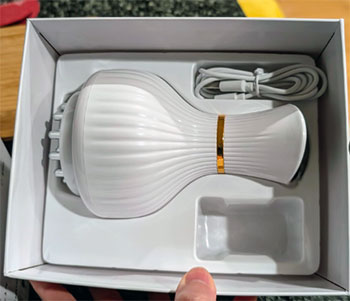
This is where the reality of the product tends to clash with the marketing. There are significant downsides that you need to be aware of before purchasing, particularly regarding the company itself.
- Alarming Customer Service and Return Issues: The most critical “con” isn’t even about the device itself, but the company behind it. There is a litany of complaints online from customers who received defective units and were unable to get a refund. Users report that when they try to return the item, they are ghosted by support or told they must pay exorbitant shipping fees to return the product to a warehouse in Germany or China. This “return friction” is a common tactic used by dropshipping companies to discourage refunds. Buying this product carries a high financial risk; if it breaks or doesn’t work for you, you are likely stuck with it.
- Weak Performance vs. Dedicated Devices: While it claims to be a “4-in-1” device, it suffers from being a master of none. The “kneading” function is often described as weak vibration rather than true mechanical manipulation. It lacks the power of a percussive massage gun or the squeezing force of air compression boots. If you are looking for deep tissue work to break up knots or significant compression to move lymph fluid, this device simply lacks the horsepower. It provides a surface-level sensation that might feel nice but offers little therapeutic value for serious recovery needs.
- Confusing and Finicky Interface: The touch controls on the device are often reported to be overly sensitive or confusing to navigate. Because it packs so many modes and levels into a small interface with limited buttons, it is easy to get lost in the settings. You might accidentally change the mode when you meant to turn up the heat, disrupting your relaxation. The lack of a clear digital display screen on some models makes it hard to know exactly what “gear” you are in without memorizing the beep patterns or light indicators.
- Short Battery Life and Reliability: The trade-off for being cordless is that the battery tends to drain very quickly, especially if you are using the heat function. Many users report getting only 2-3 sessions out of a single charge before the performance starts to lag. Furthermore, there are reports of the battery failing completely after a few months of use, refusing to hold a charge at all. Since the battery is built-in and not replaceable, once it dies, the entire device becomes e-waste.
Maintenance Tips For Acemend Leg Massager
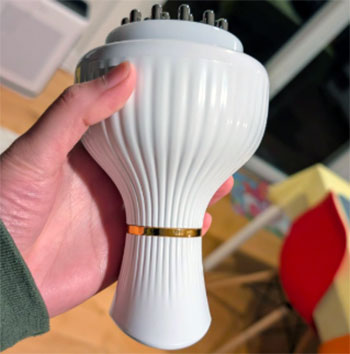
Since this is an electronic device that comes into direct contact with your skin, proper maintenance is essential to keep it hygienic and functioning.
- Cleaning the Contact Nodes: The metal nodes or massage heads are where the device interacts with your skin, often collecting sweat, dead skin cells, and lotion. You should wipe these down after every single use with a microfiber cloth slightly dampened with water or a mild alcohol solution (70% isopropyl alcohol). Do not spray liquid directly onto the device; spray the cloth first. Keeping these nodes clean ensures the EMS (microcurrent) functions properly, as oil buildup can block the electrical signal.
- Battery Care and Charging Habits: Lithium-ion batteries in cheap electronics are prone to degradation if mistreated. Do not leave the device plugged in overnight; unplug it once the indicator light shows full. Conversely, do not let the battery drain to 0% and sit there for months. If you aren’t using it for a while, charge it to about 50% before storing it. Avoid using the device while it is charging, as this can overheat the battery and potentially cause safety issues.
- Avoid Moisture and Humidity: This device is not waterproof, despite some marketing images that might show it in spa-like settings. Do not use it in the bathroom after a steamy shower where humidity is high. Store it in a cool, dry place. Moisture entering the button interface or the charging port can corrode the internal circuit board, leading to the device glitching or failing to turn on. If you use lotion or oil on your legs before massaging, be extremely careful not to get it into the seams of the device.
- Gentle Handling of the Touch Panel: The control interface is often the first thing to break on these handheld massagers. Do not press the buttons with excessive force or use sharp objects (like fingernails) to punch the settings. Use the pad of your finger with a light touch. If the buttons become unresponsive, it is often due to dirt or oil on the sensor, so give the panel a gentle wipe with a dry cloth before assuming it is broken.
Comparison with Other Brands
To truly understand if Acemend is worth it, we need to compare it to the established players in the leg recovery game. Here is how it stacks up against the competition.
- Renpho Leg Massager (Air Compression Boots): This is the most direct competitor in the budget-friendly home use category. Comparison: Renpho uses air compression technology, where boots inflate and deflate to squeeze the leg. This is significantly more effective for circulation and edema than Acemend’s vibration/EMS approach. Renpho covers the entire calf and foot simultaneously, whereas Acemend only treats the small area you are holding it against. Renpho is a wired device, so you are tethered to a wall, but it offers consistent power that never runs out. If your goal is circulation and swelling reduction, Renpho is objectively the superior medical device. Acemend is only better if you absolutely require portability and hate wearing “boots.”
- Fit King Leg Massager: Similar to Renpho, Fit King is a heavyweight in the Amazon recovery market. Comparison: Fit King is known for higher pressure levels and durability. Their devices are often used by athletes for recovery. Comparing durability: Fit King has thousands of positive reviews validating its longevity, while Acemend is plagued by reports of units dying in weeks. Fit King offers excellent customer support with easy returns on Amazon. Acemend’s support is virtually non-existent. Fit King is a “set it and forget it” passive treatment; Acemend requires you to actively hold and move the device, which can be tiring for your arms.
- Theragun / Hypervolt (Percussive Therapy): If you are looking at the handheld aspect of Acemend, you might compare it to a massage gun. Comparison: A real massage gun like Theragun uses percussive therapy (punching) to release deep muscle knots. Acemend uses surface vibration. The difference in power is massive; a Theragun can release a tight hamstring in seconds. Acemend will just buzz on top of it. However, massage guns can be painful and aggressive. Acemend is much gentler. If you want deep tissue repair, buy a generic massage gun on Amazon for the same price as Acemend; it will be far more effective. Acemend is only superior if you want “gentle” relaxation with heat.
Also Read: My Thoughts On Shiatsu Neck And Back Massager
Frequently Asked Questions (FAQ)
It typically takes between 2.5 to 4 hours to fully charge the device using a standard 5V USB adapter. Once fully charged, it provides approximately 1.5 to 3 hours of use, depending on the intensity level and whether you are using the heat function (which drains the battery faster).
While the manufacturer claims it helps, you should be very cautious. Vibration and gentle heat can help blood flow, but direct, intense massage or EMS on bulging varicose veins can sometimes worsen the condition or cause discomfort. It is always recommended to consult your doctor before using any electronic massage device directly on varicose veins or if you have a history of blood clots (DVT).
The device is equipped with an automatic safety shut-off feature, usually set to 60 minutes (though some modes may time out sooner, around 15-20 minutes). This is to prevent overheating and to protect your skin from over-stimulation. If it turns off instantly after turning on, it likely indicates the battery is depleted and needs recharging.
Yes, due to its handheld design, you can use it on your arms, shoulders, neck, and lower back. However, the ergonomic curve is specifically designed for the curvature of a calf or thigh, so it might not make perfect contact with flatter areas like the back. Be careful using EMS modes near your heart or on your neck (carotid artery); stick to vibration modes for those sensitive areas.
Conclusion
The Acemend Leg Massager is a classic example of a product where the marketing outshines the reality. While the concept of a cordless, 4-in-1 healing wand is attractive, the execution leaves much to be desired. The weak vibration, questionable “kneading,” and poor battery life make it a tough sell against robust competitors like Renpho or Fit King, which offer true compression therapy for a similar price.
Most concerning is the company’s reputation for poor customer service and difficult returns. In the wellness tech space, reliability is key, and Acemend currently presents a high risk for a relatively low reward. If you are serious about leg recovery, I strongly recommend investing in a pair of dedicated air compression boots or a quality percussive massage gun from a reputable brand with a solid warranty. Your legs—and your wallet—deserve better security.