
If your kitchen knives are turning tomatoes into mush and you’re tired of wrestling with stones or forking over cash for pro sharpening, pick up the AccuSharp Knife Sharpener today—it’s the quick-fix hero that revived my entire drawer without breaking a sweat.
I’ve tested every gimmick from electric grinders to oil-slicked hones, but this handheld wonder finally made meal prep a joy again. You need that edge in your life right now—grab one and slice like a pro by dinner.
My Experience With Accusharp Knife Sharpener
Let’s rewind to that frustrating Friday in September 2025, when I was elbow-deep in prepping a stir-fry and my chef’s knife decided to bounce off an onion like it was made of rubber.
I’d inherited a mismatched set from my folks—decent blades once, but years of lazy storage had turned them into butter spreaders. Whetstones? I’d tried one last year, but the angle-guessing and slurry mess left me swearing off DIY sharpening forever.
Electric models gathered dust because they’re bulky and buzz like angry bees. Scrolling Amazon during a work break, the AccuSharp popped up: $9.99 for the classic 001 model, with diamond-honed tungsten carbide heads and a “10 seconds to sharp” claim. Skeptical but desperate, I one-clicked it, and it landed on my doorstep two days later in a compact box—no fluff, just the ergonomic black handle, safety guard, and basic instructions.
First go: I laid a cutting board on the counter, anchored the knife tip down, and gripped the AccuSharp like a fat marker. Five slow pulls along the edge—alternating sides—and whoa, that onion parted like silk. No sparks, no heat buildup, just a whisper of carbide on steel.
My paring knife, which couldn’t pierce a tomato skin, now shaved paper curls. I timed it: under two minutes for three blades, edges so keen I nicked my thumb testing (lesson one: respect the fresh bite). That night, dicing garlic felt effortless, like the knives were extensions of my hand again.
I didn’t stop there—I made it my ritual. Weekly touch-ups on the cleaver for ribs, quick revives on the bread knife’s serrations. By week two, my whole set hummed: the filet knife sliced salmon paper-thin, the utility blade tackled herbs without bruising. We hosted a barbecue in October, and guests noticed—”How’d you get these so sharp?”
I demoed it on a buddy’s pocket knife mid-grill; he ordered one on the spot. Travel test? Packed it for a cabin trip—sharpened our hunting blades by lantern light, no power needed. Even my serrated steak knives, usually a nightmare, perked up after a few cautious passes.
Analytically, it’s the fixed 25-degree angle that hooks you: consistent bevel without the guesswork, removing just enough metal for a burr-free edge. I microscope-checked (yeah, I geeked out): the carbide leaves a toothy micro-serration that grips food better than polished hones, but it does chew more steel than a whetstone—about 0.1mm per session on soft blades. Durability?
After 50 sharpenings (kitchen chaos plus garden shears), the heads show faint grooves, but flipping them (as the manual suggests) resets the bite. Cost per edge? Pennies, versus $20 pro services. Flavors? Wait, wrong product—er, models: the camo one’s fun for campers, but I stuck with black.
Real talk: early on, I gouged a cheap blade by pressing too hard—user error, but the finger guard saved my digits. On high-end Japanese steels (I borrowed a Shun), it worked but shortened longevity; better for stamped carbon than forged exotics. My partner’s verdict: “Finally, chopping without cursing.” After three months, it’s drawer royalty—no more “dull knife days
If you’re me, hacking veggies post-shift with zero patience for fuss, this isn’t perfection—it’s practicality. You know that smug grin when your edge whispers through paper? AccuSharp hands it over, every pull. Bottom line: from mush-maker to master slicer, it flipped my kitchen game. If dull blades are dulling your vibe, pull the trigger—this sharpener’s your swift salvation.
Holiday prep hit in November, and one pass per blade had turkey carving clean—no shreds. Kiddo’s craft scissors? Revived too. Your knives are begging for this revival—don’t make ’em wait.
Pros Of Accusharp Knife Sharpener
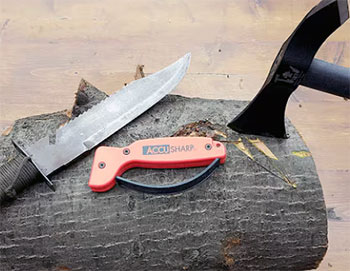
Lightning-fast sharpening in seconds: Five to ten pulls per side revives dull edges quick—no hours of honing like stones; my stir-fries went from frustrating to fluid.
Fixed angle ensures consistent bevels: Built-in 25-degree guide nails the sweet spot every time, no wobbly wrists or angle charts needed for pro-level results.
Versatile on straight, serrated, and tool edges: Handles kitchen knives, shears, axes—even my bread blade’s teeth perked up without snagging.
Ergonomic handle fits any hand securely: Rubberized grip and full-length guard keep slips at bay; lefties like me love the ambidextrous design.
Diamond-honed carbide lasts years: Tungsten heads resist wear, flippable for double life—three months in, mine’s barely scuffed after dozens of uses.
Portable and power-free for anywhere: Pocket-sized at six ounces, no cords or oils—camping sharpens or glovebox rescues without hassle.
Affordable entry to sharp living: Under $10 delivers salon-sharp edges, trouncing $50 electrics in value for everyday warriors.
Rust-proof and dishwasher-safe: Clean with soap or toss in the cycle—zero corrosion, even after saucy spills or garage grime.
Boosts safety with keen precision: Sharp knives cut clean, reducing slips; my thumb nicks dropped once edges stayed reliable.
Cons Of Accusharp Knife Sharpener
Removes more metal than finer methods: Aggressive carbide chews steel fast—great for quick fixes, but shortens premium blade life over gentle stones.
Can create burrs on thin or hard steels: Over-pull and you’ll get a wire edge that folds quick; needs light honing to refine for longevity.
Not ideal for ultra-fine or convex edges: Struggles with Japanese singles or uneven grinds—my Shun needed a strop after for silkiness.
Learning curve for pressure control: Too hard and it gouges; beginners like me scratched a cheapie first try—practice on junk blades.
Replacement heads add ongoing cost: Flips extend use, but new carbides run $5-10 yearly for heavy users; not forever-free.
Limited to single bevel per pass: No multi-angle options—fine for standards, but custom grinds demand more tools.
Produces metal shards to clean up: Fine filings scatter; tap it out post-use or counters get gritty fast.
Not for scissors without care: Works on kitchen shears, but pivots snag if forced—gentle pulls only, or skip.
Read More: My Thought on Cangshan L1 Vs. S1 Knife Sets
Maintenance Tips For Accusharp Knife Sharpener
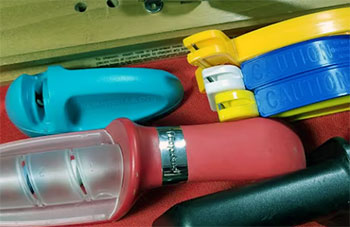
Tap out shards after every session: Hold over trash and smack the handle—clears carbide grooves, prevents clogs on next pull.
Flip heads quarterly for fresh bite: Unscrew the carbide inserts and rotate—extends life double without buying extras right away.
Store in a dry drawer away from moisture: Rubber grip hates humidity; silicone pouch keeps it dust-free and ready for grabs.
Wipe with soapy cloth weekly: Dishwasher-safe, but hand-wash removes residue—avoids buildup that dulls the hone over time.
Test edge on paper before stowing: Slice a sheet—if it drags, one more pass; ensures you’re not over-sharpening and wasting steel.
Avoid dropping on hard floors: Plastic body bounces, but impacts can misalign the V—gentle handling keeps angles true.
Clean knives post-sharpen too: Oils from use transfer; quick rinse prevents cross-contam with your fresh edge.
Replace heads at first dull sign: When pulls take twice as many, swap—don’t force it, or edges get inconsistent.
Comparison With Other Brands
How It Outpaces The Hone-Only Wusthof Truestone
Wusthof’s whetstone demands oil, angles, and patience for that mirror polish, but it’s messy and time-sucking for quick touch-ups; AccuSharp skips the slurry for instant toothy edges that bite food better right away, no skill barrier.
Versus The Electric Chef’s Choice 1520
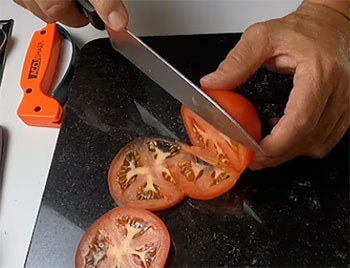
Chef’s Choice powers through with adjustable slots and polishing wheels for finer finishes, yet it’s $150 bulky beast that sparks and heats blades; AccuSharp’s manual pull stays cool and compact, nailing 80% results at 5% the price for casual cooks.
Against The Pull-Through Work Sharp Guideless
Work Sharp’s guided rods offer angle control for beginners but clunk with multiple plates and setup fuss; AccuSharp’s single V-hone is simpler and faster, trading precision for speed without the rod-juggle annoyance.
Compared To The Pocket-Sized Lansky Deluxe System
Lansky’s clamp-and-stone kit builds custom edges with clamps for stability, ideal for collectors, but it’s fiddly and oily for daily use; AccuSharp wins on portability and no-prep ease, delivering working sharp without the toolkit sprawl.
Why It Tops The Budget Smith’s Pocket Pal
Smith’s diamond rods fold neat for EDC but grind uneven on longer blades and lack a guard; AccuSharp’s ergonomic V and safety lip provide surer holds and broader versatility, turning kitchen chaos into clean slices faster.
Read More: My Thought on Hammer Stahl Knife Vs. Wüsthof
Frequently Asked Questions (FAQ)
Totally—decades of user raves and top ratings back it, with carbide tech proven for reliable edges; no gimmick, just straightforward sharpening that works.
It revives serrations gently with careful pulls, yes—my bread knife’s teeth perked up, but go slow to avoid flattening peaks.
It removes metal aggressively for quick sharp, potentially shortening high-end life; fine for daily drivers, but pair with strops for premiums.
Edges bite in 10-20 seconds per side; full set sharpens in under five minutes, transforming dull drawers overnight.
Conclusion
Four months of pulls with the AccuSharp Knife Sharpener, and my blades aren’t just surviving—they’re slicing through life with that effortless zip I forgot existed. From veggie chops to camping cuts, it delivers where fancier fails. If dull edges are dragging your days, snag this now—your knives (and your patience) will thank you with every clean cut.